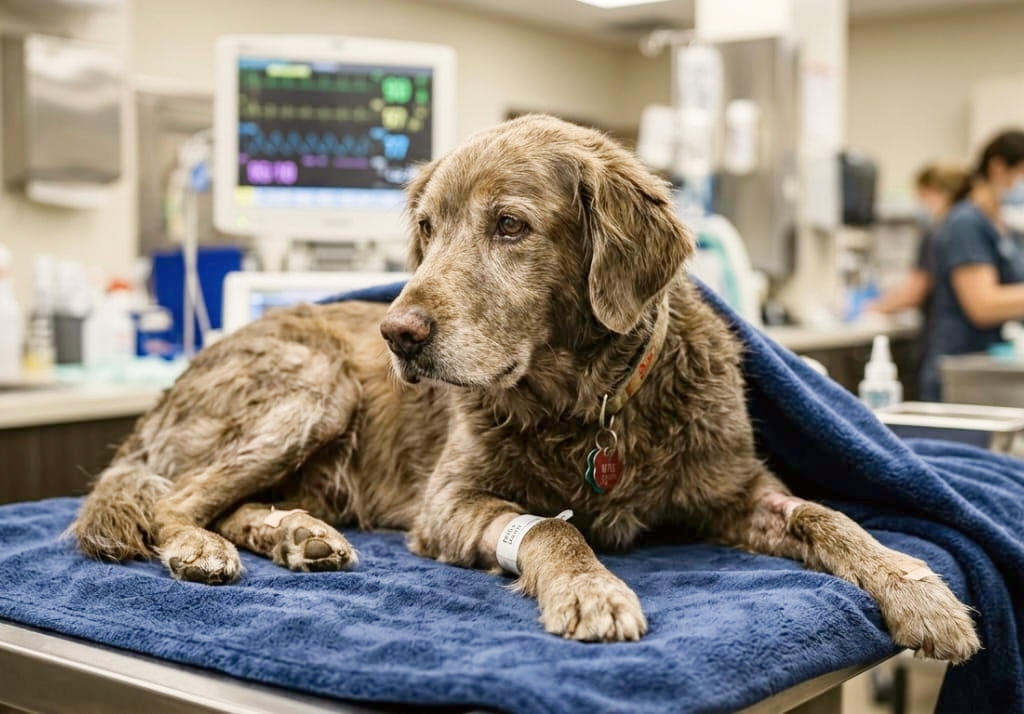
Dog Emergencies are health issues and injuries, so veterinary care is required. Dogs cannot describe their situation, so owners need to check for the fairly ordinary symptoms. By taking timely action and providing first aid, your dog will recover.
This article contains information from minor changes in behaviour to serious issues.
What Is a Dog Emergency?
A dog emergency is a sudden health problem or injury that requires immediate veterinary care. It happens when a dog’s life or health is in danger, and the situation cannot wait for a regular vet visit. Severe injuries in emergencies may include poisoning, difficulty breathing, seizures, and heavy bleeding.
Because dogs cannot explain their pain, owners should watch for unusual signs or sudden changes in behavior. In any serious situation, immediate action and contacting a veterinary professional can help to protect the dog’s health and increase the chances of recovery.
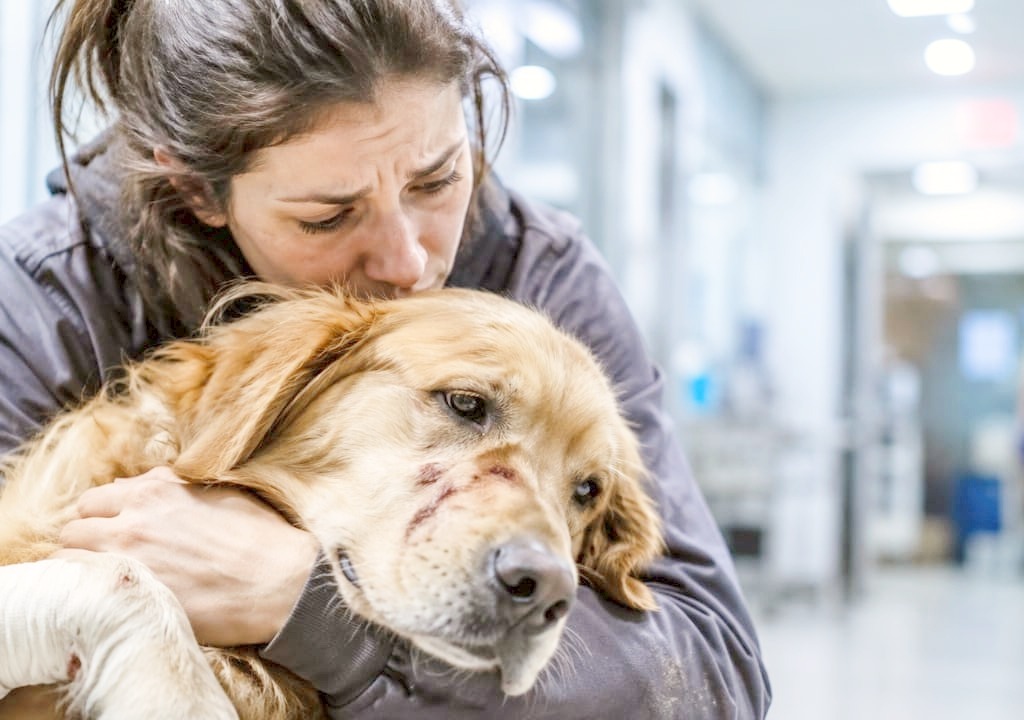
Common Signs of a Dog Emergency
Owners need to recognize the dog emergency signs. Sometimes the problem starts with minor changes in a dog’s behavior, hunger, or energy level, which can indicate that something is wrong. These early warning signs may appear before a condition becomes severe. Sometimes, dogs may exhibit serious symptoms that require urgent care, such as difficulty breathing, collapse, or severe bleeding. Identifying both mild and severe symptoms enables owners to act promptly and receive veterinary care when needed.
Early Warning Signs before a Dog Emergency
Some emergencies start with small symptoms that may seem normal at first. A dog may appear abnormally tired, lose interest in food, drink more or less, or start hiding from people. Other symptoms may include restlessness, unusual whining, or changes in bathroom habits.
Serious Symptoms That Need Immediate Care
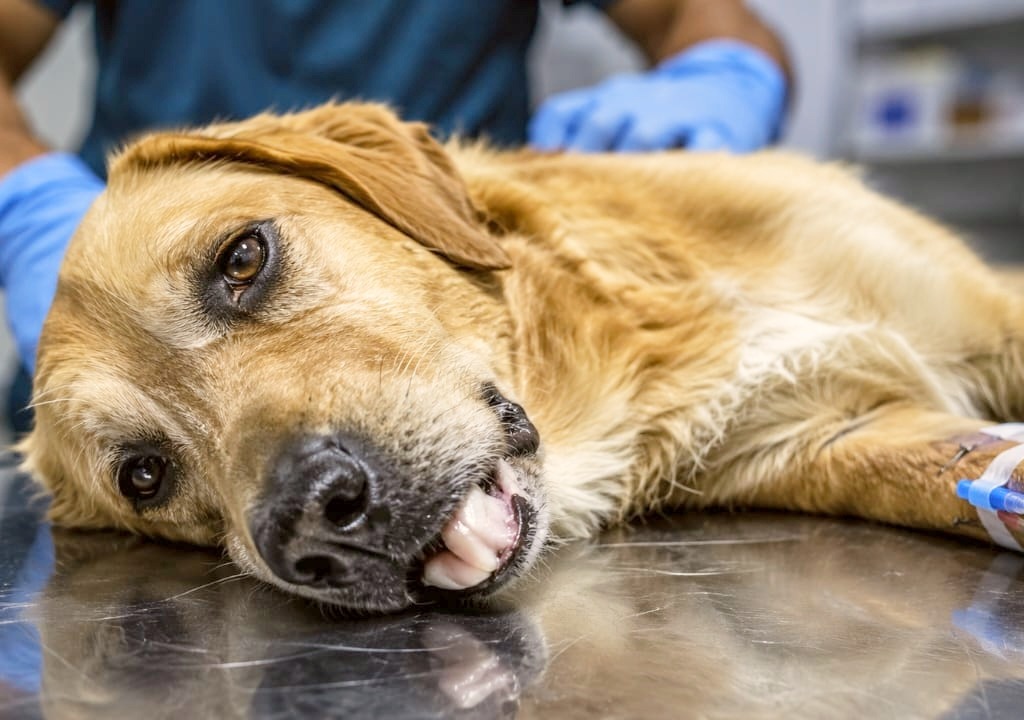
Certain indicators unmistakably a medical emergency that requires swift attention from a veterinarian. Pale or bluish gums, extreme discomfort, or evidence of poisoning following the consumption of something harmful are also red flags for a serious health issue. When a dog presents with any of these signs, immediate veterinary intervention is critical to safeguard its well-being and survival.
Common Types of Dog Emergencies
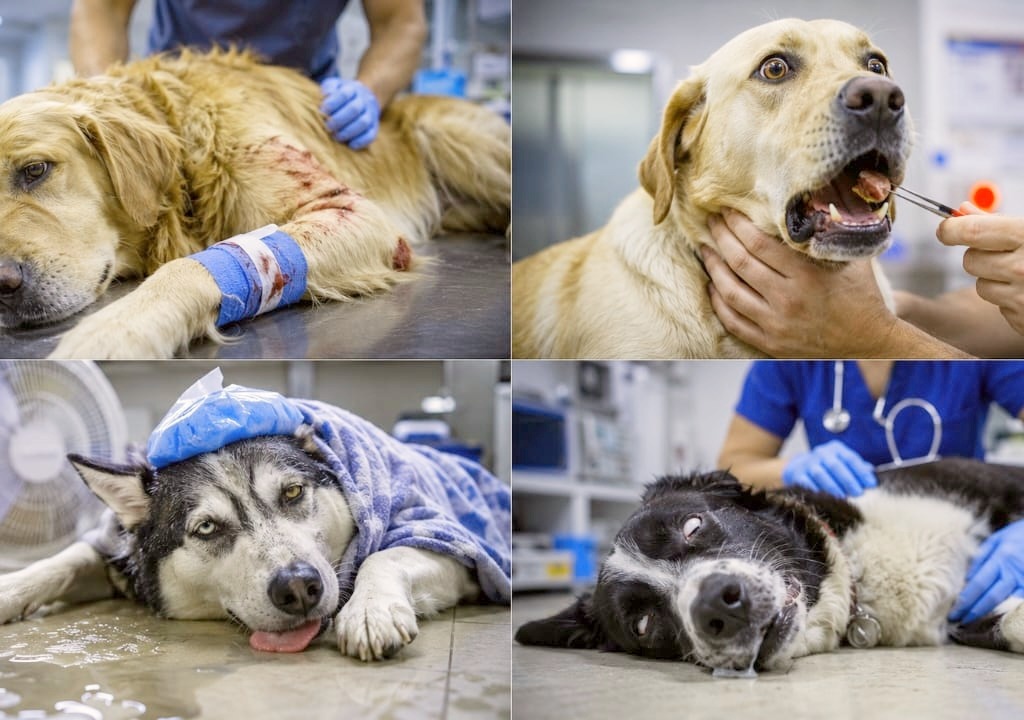
Dogs, like us, can find themselves in all sorts of predicaments, from the relatively minor to the truly serious. Knowing what to look for is key, allowing pet owners to take action and give their furry friends the best chance they get to a vet. Emergencies frequently involve things like cuts and scrapes, trouble breathing or choking, exposure to toxins, or more extreme situations such as seizures or heatstroke. The sooner you identify the problem, the quicker you can respond, and the better the chances are of your dog’s recovery.
Bleeding & Injuries during a Dog Emergency
Cuts, scrapes, and other injuries are frequent in urgent care. Dogs, whether they’re playing or just out for a run, can easily get hurt. If minor wounds aren’t addressed, they can quickly become more serious. Knowing some basic first aid is key to controlling bleeding and preventing infection.
Choking & Toxic Ingestion during a Dog Emergency
Breathing difficulties or sudden swelling can occur. Dogs might have allergic reactions to things that shouldn’t be there, or they might react, making it hard to breathe. It’s very important to recognize these problems quickly and get help, because they can lead to suffocation or serious health issues.
Dogs are naturally curious and may eat dangerous foods, chemicals, or medications. Ingesting toxic substances can quickly prove fatal. Knowing what is toxic and how to react can save your dog’s life.
Seizures & Heatstroke during a Dog Emergency
Seizures and heatstroke are very serious emergencies, often caused by primary medical problems and environmental factors. Immediate care is essential for both to stabilize the dog and prevent long-term damage. Early recognition of symptoms can be extremely important.
First Aid Steps During a Dog Emergency
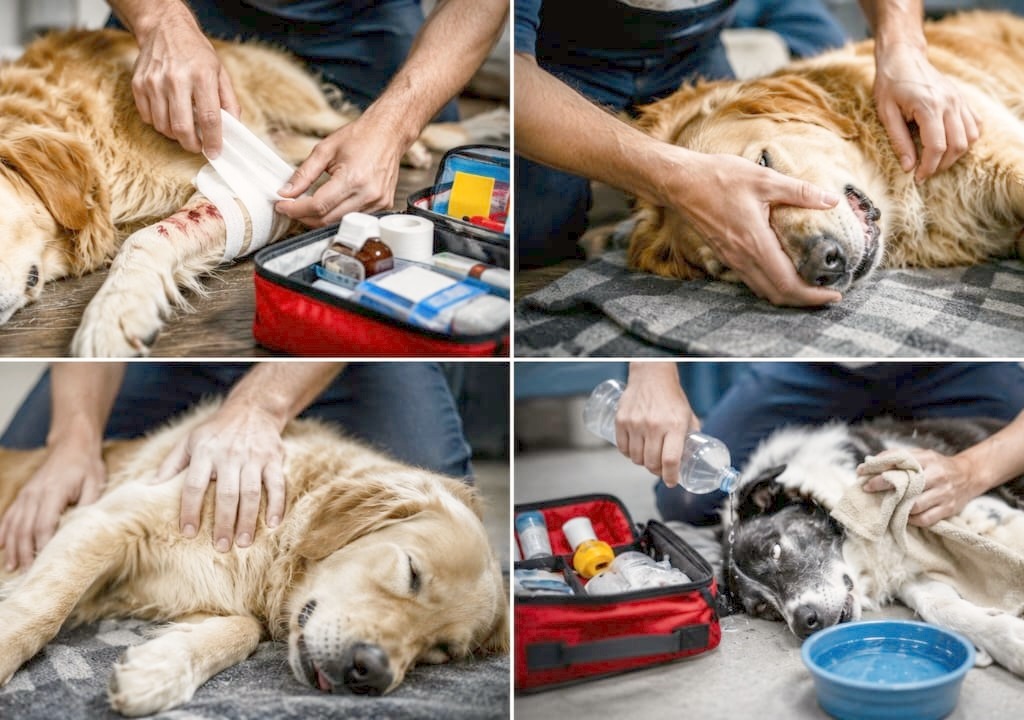
The first step is always to ensure your safety, because a frightened or injured dog may bite unintentionally. When you are safe, assess the situation and decide what type of emergency, such as choking, poisoning, bleeding, or another serious issue.
Next, offer essential first aid: gently press to control the bleeding, keep the dog comfortable, and move it away from any danger. For breathing troubles, first, assess the airway. If it’s clear and safe, remove anything blocking it. If you suspect poisoning, try to identify what the dog ingested and call your veterinarian right away. Should your dog have a seizure or exhibit heatstroke, create a calm, secure space. Don’t try to hold them down, but get ready to seek professional help.
Keep a list of emergency contacts handy at all times. This should include your veterinarian, the closest emergency animal hospital, and the Pet Poison Helpline. While first aid can provide a stopgap measure for your dog, only a veterinarian can offer the comprehensive care needed for a full recovery.
How to Safely Transport an Injured Dog
Great caution is required to transport an injured dog from one place to another. First, take care of yourself, because an injured dog may exhibit unexpected actions due to pain and fear. Go to the dog slowly and softly so that he does not become fearful.
Use a sturdy surface to awake the dog, such as a blanket, a towel, or a pet stretcher, that supports the dog’s body evenly. Try to stay straight and safe its neck and spine as much as possible. Avoid bending or rotating the dog’s legs, because it increases the chance of injury. If the dog is small, it can be handled in your arms, but for a large dog, it’s essential to get help from another person.
Keep the dog in a safe, relaxed place during transportation, and the environment quiet and calm. Drive the car safely to avoid sudden bumps. The dog went to the nearby veterinary clinic and emergency hospital for professional care.
How to Properly Prepare for a Dog Emergency
To prepare for a dog emergency is not a matter of taking action. It is essential to make a plan and be ready for it. As a result, not only does your stress become lower, but your dog also requires proper supervision. In addition to knowing about emergency contacts, understanding basic first aid is essential. If these are already prepared, it is easy to handle sudden injury, toxic exposure, or an emergency.
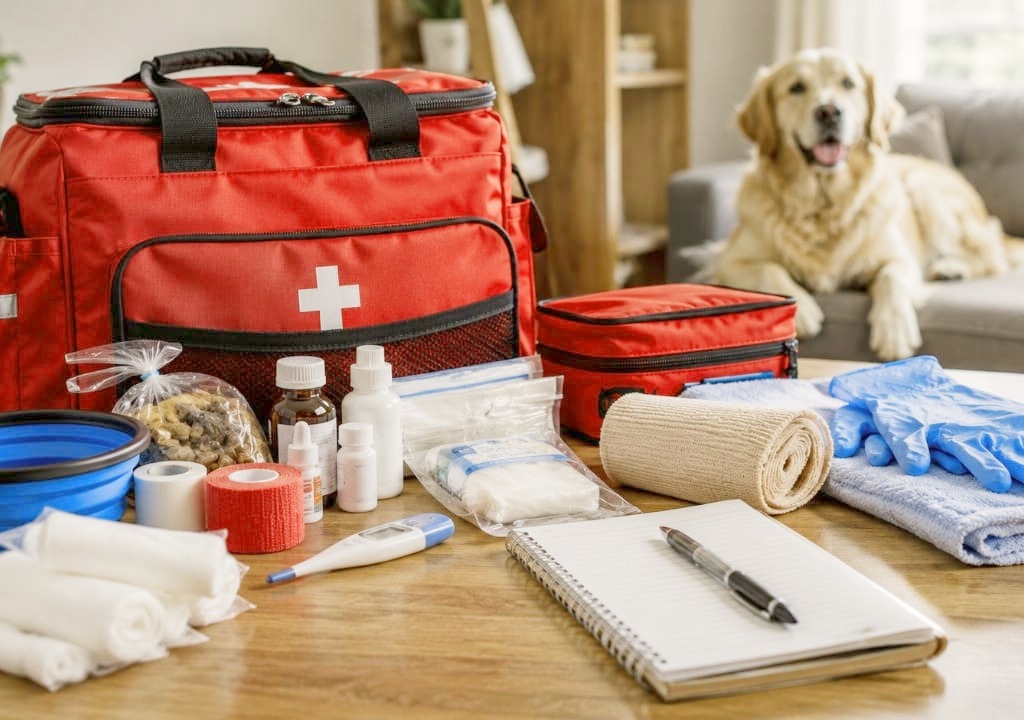
First Aid Kit Essentials during a Dog Emergency
It is essential to keep basic supplies with you, such as bandages, gauze, a thermometer, tweezers, and antiseptic, for minor injuries and to ensure dog safety.
Emergency Vet Contacts
For quick access in an emergency, keep the contact details of your regular vet, nearby 24-hour animal hospitals, and poison control numbers saved on your phone and included in your first-aid kit.
When to Visit an Emergency Vet
For your dog’s health, immediate veterinary care is essential. Sometimes a wound does not require a visit to a veterinarian, but symptoms indicate a visit to a hospital. Your dog receives better care when you take timely action. This can prevent serious issues. Keep proper attention to the symptoms like uncontrolled bleeding, difficulty breathing, severe vomiting or diarrhea, poisoning, heatstroke, or seizures.
If your dog suddenly becomes weak, collapses, or exhibits any unusual behavior that concerns you, contact a veterinarian or take your dog to the hospital. In case of doubt, an immediate step can make a big difference in the dog’s health.
Faqs
What do I do if my dog is having an emergency?
Don’t panic and stay calm
Quickly access the symptoms of an emergency
Immediately contact the animal hospital
Provide first aid and transport your dog in a safe way
Keep information handy
Does Rescue 1122 rescue animals?
Rescue 1122 protects your animal when you contact them in a severe emergency. It also rescues animals and performs its duty.
Is rescue toxic to dogs?
No, rescue is not toxic for the dogs. Its purpose is to help calm anxiety. If your dog has a health issue, consult a vet and follow the recommended dosage.
Conclusion
A dog owner should be prepared for a critical situation because it can save a dog’s life. If you recognize the early signs of a dog emergency and know the emergency contact, you can act calmly.
In a Dog Emergency, after first aid, you must consult a doctor for a safer or quicker recovery.
