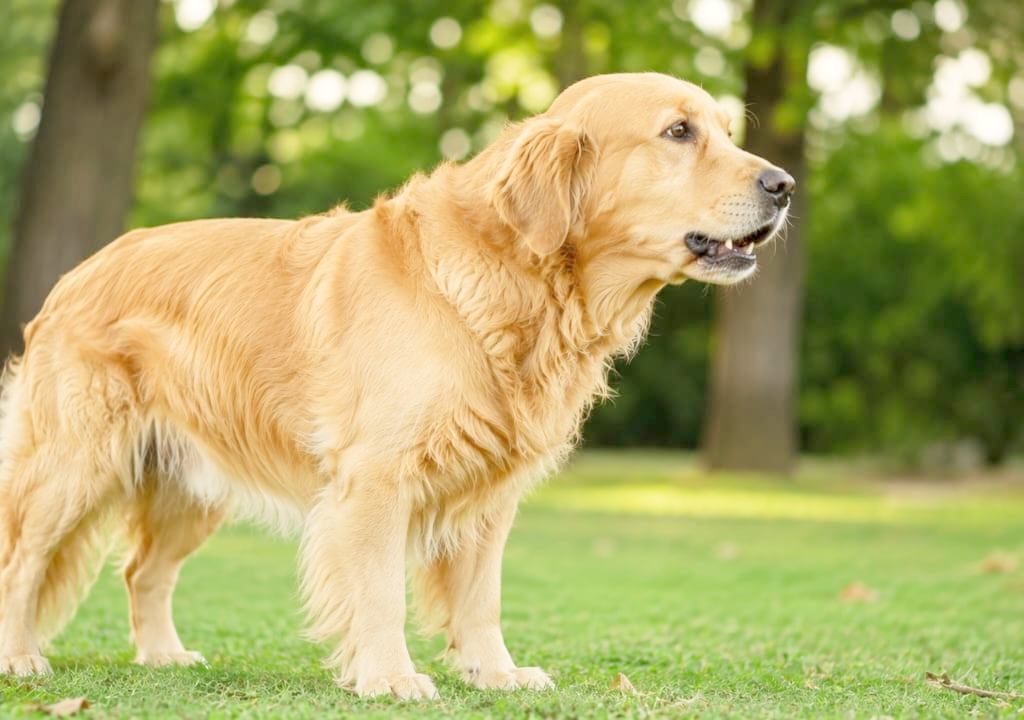
Dog coughing is not something to worry about. If a dog’s coughing becomes a constant problem, it could be a sign of an underlying health issue. Understanding the common causes can help owners know when to worry. If your dog suddenly starts coughing, it can be quite alarming, especially if the cough seems to have come out of nowhere or sounds worse than the normal throat clearing. It is important to know whether your dog’s cough sounds like a goose honk or occurs more often when they are excited, playing, or exercising.
Dog Coughing Due to Infections

- Infections caused by viruses, bacteria, fungi, or parasites. Dogs can cough due to infections.
- They can infect the dog’s upper respiratory tract, lung tissue ( pneumonia ), airways (bronchitis), or a combination of these ( bronchopneumonia ).
- The most common infectious cause of coughing is kennel cough. It is caused by various types of viruses and bacteria.
- Canine influenza virus is increasing in the U.S. and causes symptoms such as coughing, fever, and nasal discharge.
- Lungworms are parasitic nematodes that infect the pulmonary artery and right heart ventricle in dogs.
- They are not as common as heartworms, but they can cause your dog to cough.
- Dogs may become infected by eating prey infected with the worm.
- Dogs may become infected by eating prey infected with the worm.
Foreign objects in the throat

If your furry friend has something caught in his/her throat, the natural reaction is to cough to get it out. If you notice your dog coughing, a good place to start is by checking their throat to see if anything is stuck there.
Environmental allergens
Allergens are things like dust, pollen, and cigarette smoke that your dog’s immune system overreacts to. For example, your dog could be allergic to dust. If that occurs, the immune system may respond as if it were a foreign virus. This can cause coughing, as it does in humans.
Pneumonia
Pneumonia is a respiratory infection that causes inflammation of the lung airways in dogs. it can be a complication of a viral infection such as dog flu. It can also be caused by your dog accidentally inhaling vomit or regurgitated material into their lungs.
Bronchitis
Bronchitis, another respiratory infection, occurs when bronchial tubes become inflamed. It can be acute or chronic (lasting over 2 months). Bronchitis is often caused by irritants in the air, like cigarette smoke or air pollution.
Dog Coughing Due to Reverse Sneezing

Technically, a reverse sneeze is not a cough, but many pet parents mistake it for their dog coughing. Reverse sneezes are usually in bouts when something irritates the back of a dog’s nasal passages. Occasional reverse sneezes are just as normal as regular sneezes. If they are severe or frequent, or you see nasal discharge or a change in the symmetry of your dog’s face (bulging eyes or sinuses), contact your vet.
Dog Coughing Due to Collapsing Trachea

Small dogs are more prone to weakening of the cartilage rings that partially encircle the trachea. This causes the trachea to collapse in on itself as the dog inhales. This leads to irritation of the trachea and chronic cough often described as sounding like a goose honk.
Dog Cough Due to Cancer
Coughing can be one of the initial symptoms that pet parents notice when a dog has cancer of the lungs, other parts of the respiratory tract, heart, or surrounding tissues. The treatment may be surgery, chemotherapy, radiation, or palliative care.
Dog Cough Due to Esophagitis
It’s a condition in esophagus becomes inflamed—similar to gastro-esophageal reflux disorder in humans. Acidic fluid moves from the stomach and up the esophagus, irritating the lining.
This can be caused by certain medications, particularly doxycycline, prolonged anesthesia, gastrointestinal upset, and certain foods.
Dog Cough Due to Tumors in the Larynx and Trachea
The larynx is a tube-like structure situated at the top of the trachea (airway tube). It is composed of semi-flexible cartilage. It helps to produce sound/vocalization as air passes through it. Rings of cartilage make up the trachea and let oxygen into the lungs and carbon dioxide out of the mouth.
Tumors or masses that grow in the larynx or trachea are rare. Such growths may interfere with the ability to breathe, swallow, eat, and drink.
FAQs
Should I be worried if my dog coughs?
- Occasional coughing is usually normal.
- Frequent coughing needs veterinary attention.
- Seek immediate care if breathing becomes difficult
Why is my dog coughing like there’s something stuck in his throat?
- A foreign object in the throat
- Kennel cough
- Collapsing trachea
- Reverse sneezing
- Throat irritation
What can I give my dog for coughing?
- Fresh water
- Plenty of rest
- Veterinarian-prescribed medication only
- Avoid human cough medicines
What can I do to help my dog who has a cough?
- Keep your dog hydrated.
- Let your dog rest.
- Avoid smoke and dust.
- Use a harness instead of a collar.
- Contact your veterinarian if the cough worsens
Conclusion
Coughing in dogs could be normal or may indicate that there is something wrong with their health. You need to watch out for the signs exhibited by your pet and take it to a vet in case of any abnormality. This guide has been created by the *Dog Day Care* team with deep research from reliable sources such as PetMD.
