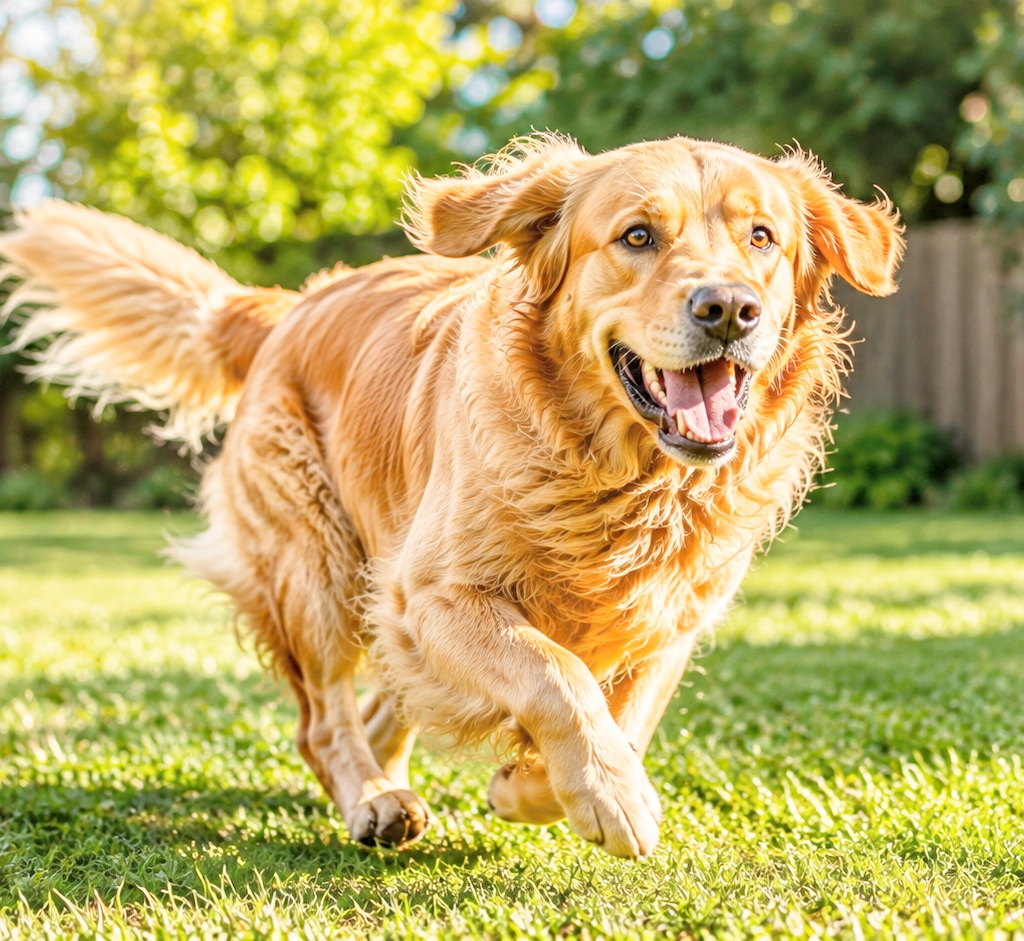
Dog Zoomies are one of the funniest yet most confusing behaviors in dogs, leaving many owners wondering why their happy pup suddenly runs around like crazy without warning. If you have a dog, you’ve likely seen the fun spectacle of your friend suddenly running into a wild sprint around the house or yard. These expressions of intense positive energy are commonly known as “zoomies.” But here’s the question: what really are zoomies, and what do they actually mean?.
Let’s learn about their nature, and you can explore the fantastic world of dog zoomies in this comprehensive guide. This article is designed by dog daycare experts, backed by in-depth research, to help every pet owner find information on common causes, typical triggers, safety risks, and health warning signs.
What Are Dog Zoomies?
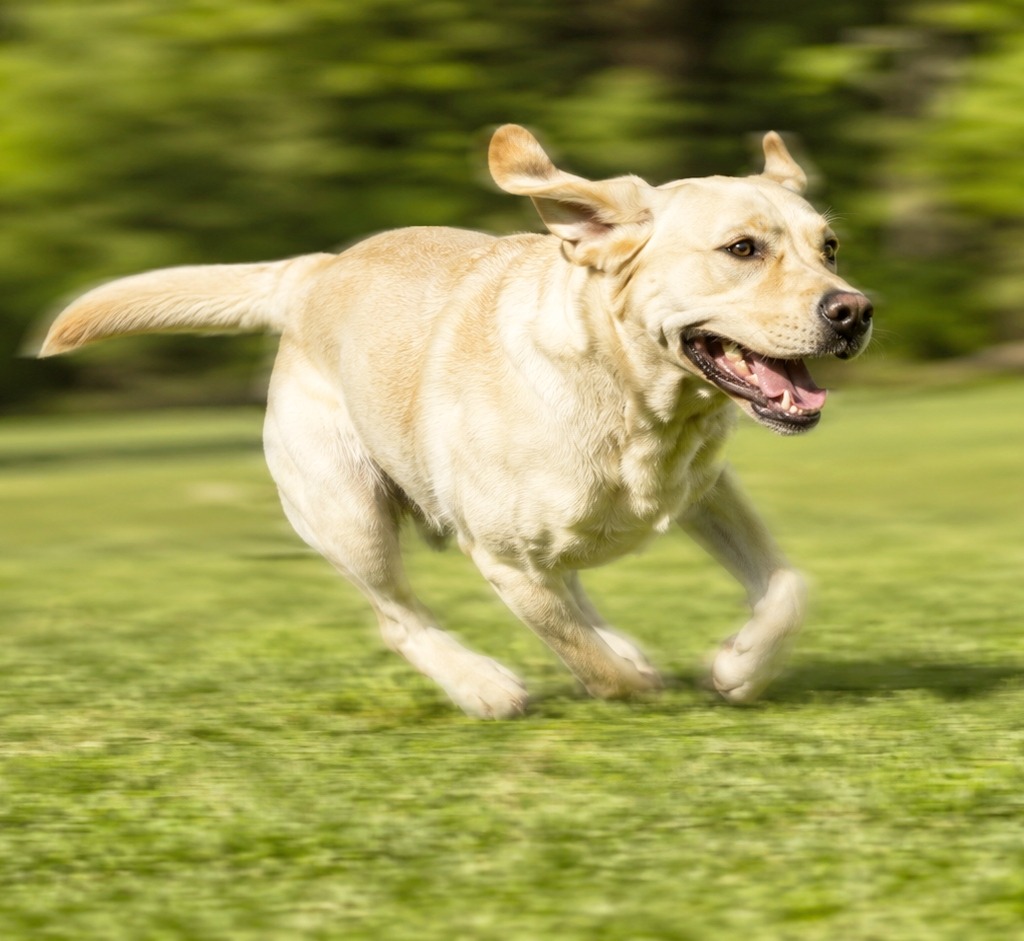
Pet owners around the world run their dogs in loops, and it entertains and has you laughing for hours.
FRAPs: These periods are known as FRAPs; their abbreviation is Frenetic Random Activity Periods. These periods are actually formally known as Frenetic Random Activity Periods (FRAPs). They are called energetic bursts of movement, during which dogs run in a circle uncontrollably. During these sessions, dogs sprint in circles, run back and forth, and show playful behavior. There is no specific time at which zoomies occur, but it usually observed in the morning, after a bath, or following a period of rest.
Are Dog Zoomies Normal?
Definitely, dog zoomies are completely normal and instinctive behavior. Not only are dogs in the animal category, but you may observe zoomies in cats, rabbits, horses, and other critters. Zoomies are natural and normal behaviors in dogs, so there is no need to take any stress about your pup. In fact, it shows that your dog needs to release their stored energy, which means your pup is comfortable and happy in their surroundings. Young dogs or puppies are more likely to have these energetic periods than an older pet.
Why Do Dogs Get the Zoomies?
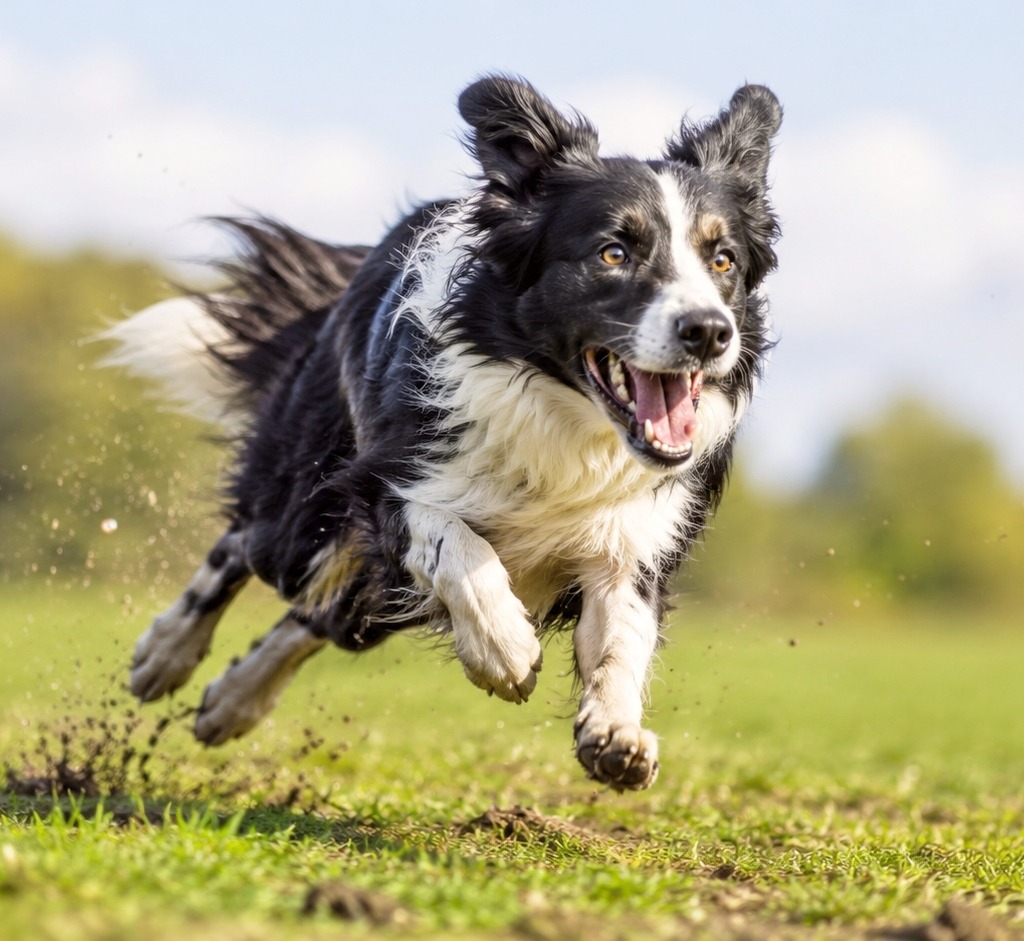
Dr. Jessica Taylor says that zoomies are usually triggered by environmental excitement. Dr. Ostermeier observes that in some conditions, they can also be a sign that your dog needs more physical activity or mental stimulation. This is due to your dog opening a new toy, another pet getting excited, or having extra energy after a bath.
Excitement and Happiness
An excited play session with you or a canine friend can help stave off the zoomies, but sometimes it may be the cause of dog zoomies. If your dog isn’t getting regular exercise, they may have pent-up energy that explodes through zoomies.
The Witching Hour and Puppy Zoomies
According to Leigh Siegfried, older dogs can get the zoomies, but younger puppies can experience them more frequently in their witching hours. According to the National Canine Research Association of America, the witching hour is the time when your pup acts a bit wild and usually in the morning or between 5 and 8 pm. Puppies have more “overtired” zoomies than older dogs.
After pooping
After potty, your puppy gets a dose of zoomies. This can be due to several reasons, including feeling relieved, burning off pent-up energy, and associating the bathroom with positive reinforcement and rewards.
Stress/Anxiety
In some cases, dog zoomies could be a way for a pup to process feelings of stress.
After a bath
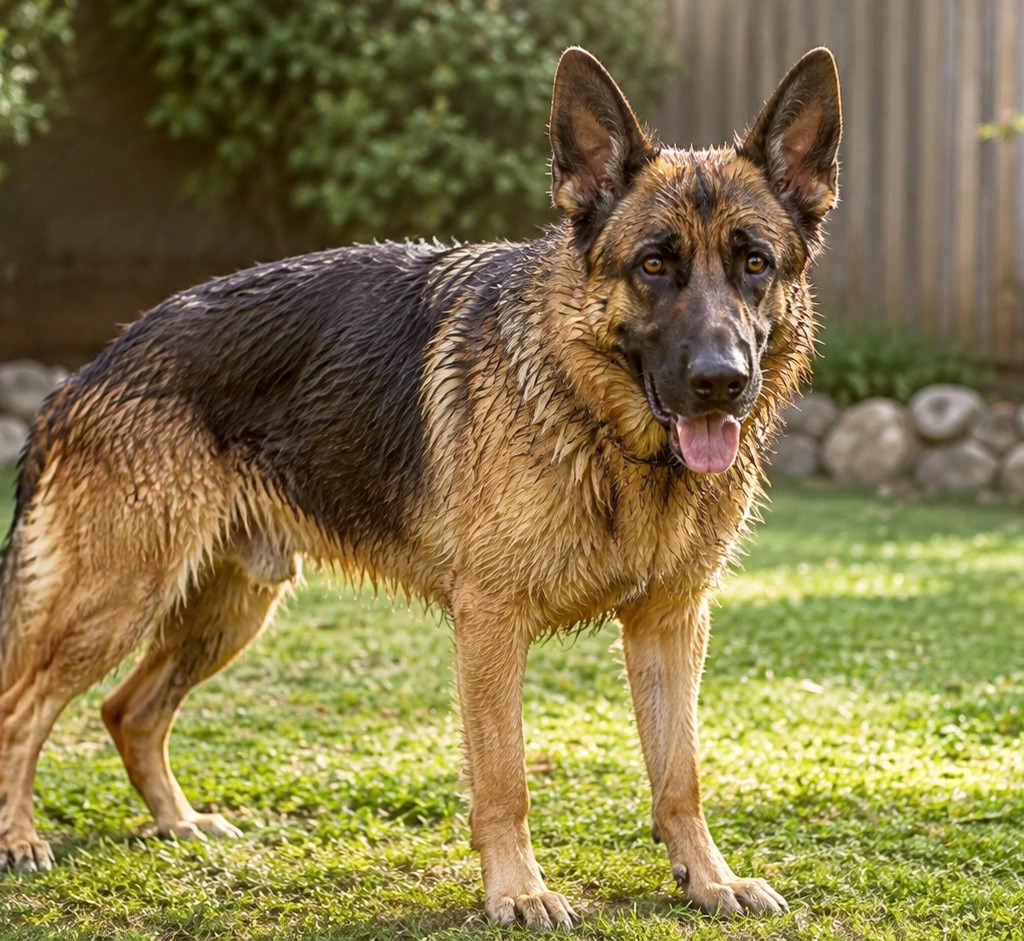
After a bath, a dog can experience adrenaline and feel relief, or may try to dry off; that’s why they show zoomies.
When to Worry About Your Dog Zoomies
In some cases, dog zoomies can be caused by stress. Your dog may be exhibiting displacement behaviour (they are in a heightened state of arousal and don’t know what to do). They take that feeling of uncertainty and turn it into the zoomies. That’s not always a bad thing. A new dog park can be exciting, and the “what do I do first?” reaction can cause zoomies.
Your dog might be having a negative experience, too—perhaps they suffer from separation anxiety, or they’re nervous around children and don’t know how to react, so they zoom. Watch out for your dog’s zoomies. If you think they are stress-related, try to find the trigger. When they’re next exposed to it, see if you can tone down the intensity of the trigger, give them lots of rewards, and maybe even keep your dog focused on something else like a play session or food puzzle.
Also, consider that frequent zoomies might be a sign that your dog needs more exercise and mental stimulation. Zoomies should be a fun burst of energy, not the main source of activity.
Are Dog Zoomies Dangerous?
The behaviour itself isn’t dangerous, but the area they do it in can be, sometimes, especially if they’re constantly skidding on laminate or hardwood floors or running into furniture. If you think your dog is going to hurt themselves in the house, instead of trying to stop the behaviour, just direct the behaviour outside or, if not possible, to a carpeted area.
Sometimes dogs get super excited, and a FRAP happens while they’re out on a walk and they’re off the leash, which can cause owners to panic and think they’re running off. If they do this, do not run after them, because they will think it’s a game and that you are playing along! Instead, you run the opposite way and get into the habit of carrying high-reward treats.
So when they do come to you, give them a treat, and in the future they will be more willing to come to you. Or if they tend to run off a lot and the area is dangerous, keep them on a long leash so they’re safe, but still have plenty of room to run.
When Are Dog Zoomies a Sign of a Health Problem?

Dog zoomies are generally normal, but frequent, intense, or unusual episodes can sometimes be a sign of an underlying health or behavioural issue and should be checked out by a veterinarian.
Warning Signs to Watch For
According to Dr. Pamela Perry, a behavior resident at the Cornell University College of Veterinary Medicine, dogs getting the zoomies is normal. However, owners should watch carefully if their dog seems scared, anxious, or in pain during these episodes, rather than playful. A happy dog usually has a relaxed, wiggly body, but a stressed dog might have a tight, tucked tail, tense posture, pinned-back ears, or wide eyes. If you see these warning signs, don’t attribute the behaviour to the normal zoomies.
When to Contact a Veterinarian
FRAPs (Zoomies) are typically harmless, but if your dog seems distressed or in pain, or is unusually anxious during a FRAP. Veterinary advice is also recommended in cases of unusually frequent zoomies, prolonged zoomies, collapse, loss of balance, or disorientation.
Conditions That Can Mimic Dog Zoomies
Most zoomies are harmless, but not every sudden burst of activity is a normal FRAP, says Dr. Lauren Demos, DVM. Medical conditions like neurological disorders, pain, orthopaedic injuries, compulsive behaviours, or severe anxiety can sometimes look like zoomies. If the episodes are repetitive, panicked rather than playful, or there are other abnormal signs, a full veterinary examination is recommended to find the cause.
FAQs
Do zoomies mean dogs are happy?
- Usually, zoomies are a sign of excitement and happiness.
- They also help dogs release excess energy.
- In some cases, stress or anxiety can trigger zoomies.
At what age do dogs stop zooming?
- No exact age limit.
- Common in young dogs.
- Possible in adult dogs too.
Why do dogs zoom before bedtime?
- Release excess energy.
- Respond to excitement.
- Settle down before bedtime.
What dog breed has the most zoomies?
- No breed has the most zoomies.
- FRAPs can occur in all dog breeds.
- Age and excitement matter more than breed.
Are zoomies contagious between pets?
- Not contagious.
- May trigger another dog’s play.
Conclusion
Dog zoomies are a normal and healthy part of canine behaviour that usually signal excitement, playfulness, or the release of pent-up energy. If zoomies are happening more than usual, or if they are abnormal, the dog should be examined by a veterinarian. This guide is based on *veterinary-reviewed, evidence-based research* from trusted sources including *Cornell University College of Veterinary Medicine, Merck Veterinary Manual, and PetMD* to help dog owners get accurate and reliable information.
