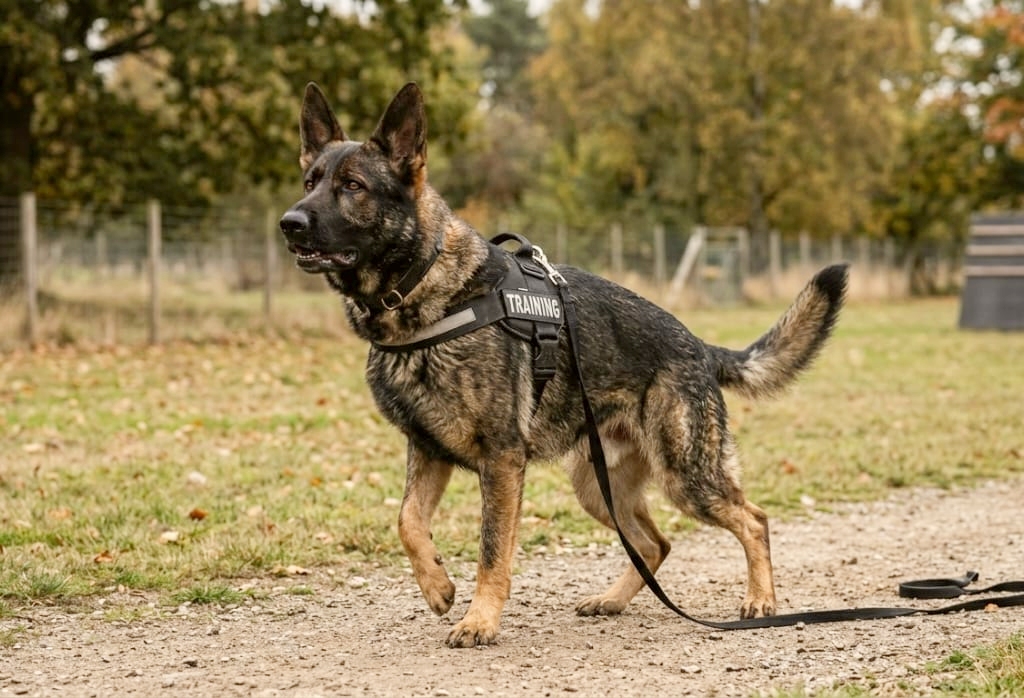
Dog Aggression Training is very important to improve dog behaviour. The first step to making your relationship with your dog safer and calmer is to understand why they act aggressively. This could be out of fear, a desire to protect their territory, or just low self-esteem. Even the most aggressive or reactive dogs can learn to behave peacefully with time, consistent guidance, and the right methods. This journey isn’t just about being in charge; it’s also about trust, talking to your dog, and making sure they feel safe in every situation.
Understanding Aggressive Behaviour in Dogs
Aggressive behaviour in dogs is a way they express their emotions. And it’s often caused by fear, a need to protect their places, sovereignty, or discomfort. This behaviour shows itself through growling, barking, attempts to bite, or sudden lunging, and is usually triggered by situations that feel dangerous or low confidence.
It’s very important to understand whether it is due to fear, dominance, or a medical issue because recognising it early, managing it calmly with consistent positive reinforcement, controlled socialisation, and strong supervision can prevent the behaviour from worsening and help the dog feel safe and confident. Understanding the difference between true aggression and reactive behaviour is also important. Recognising aggressive body language is crucial, as is identifying the emotional triggers, like fear and a need for dominance, that lead to these behaviours in dogs.
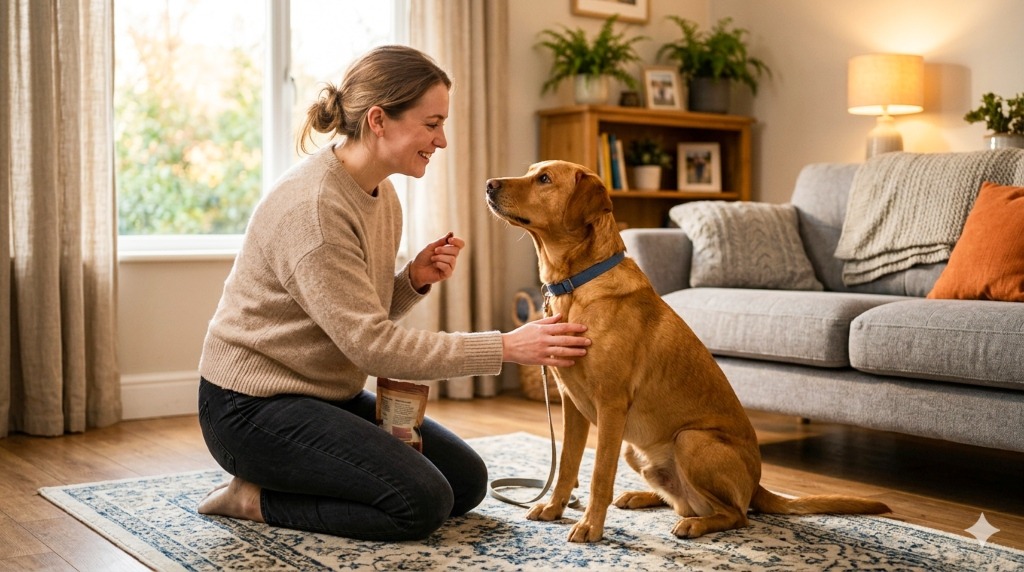
The Difference Between Aggression and Reactivity
Aggressive behaviour is a planned action, often used to gain control or to protect oneself. Reactivity, on the other hand, is an immediate, emotional reaction triggered by stress or fear. Managing aggression demands a steady hand and clear limits, whereas reactivity is best addressed by building confidence and using desensitisation techniques.
Recognising Body Language in Dog Aggression Training
Catching the early warning signs, such as a tense posture, a growl, or a fixed stare, can prevent a dog’s behaviour from worsening. Recognising these subtle signals lets owners step in calmly, keeping everyone out of harm’s way.
Fear vs. Dominance
Fear aggression is a protective reaction to feeling unsafe, while dominance is a confident push for control. Understanding the difference ensures you use the right training method to build self-reliance or set boundaries.
Causes of Aggression in Dog Aggression Training
Dogs show aggression for various key reasons, usually reduced to a few common types of awareness. These types help owners identify factors and respond effectively, as each form of belligerence requires a slightly different supervision and training strategy.
Fear-based aggression
When a dog feels scared and unsafe, it may react to protect itself or people it considers family. Situations such as strangers approaching, the presence of other dogs, loud noises, and unfamiliar places can often cause that type of reaction.
Dominance-based aggression
Also, when a dog tries to assert control or establish a social order, it may show dominance toward other dogs or people, even if it doesn’t intend to cause serious harm.
Protective or territorial aggression
It occurs when a dog defends its home or belongings, showing aggression toward anything that it considers an interference. This type of dog guards their food, toys, or favourite resting spots.
Frustration or redirected aggression
This can happen when a dog becomes stirred up and cannot reach its target.
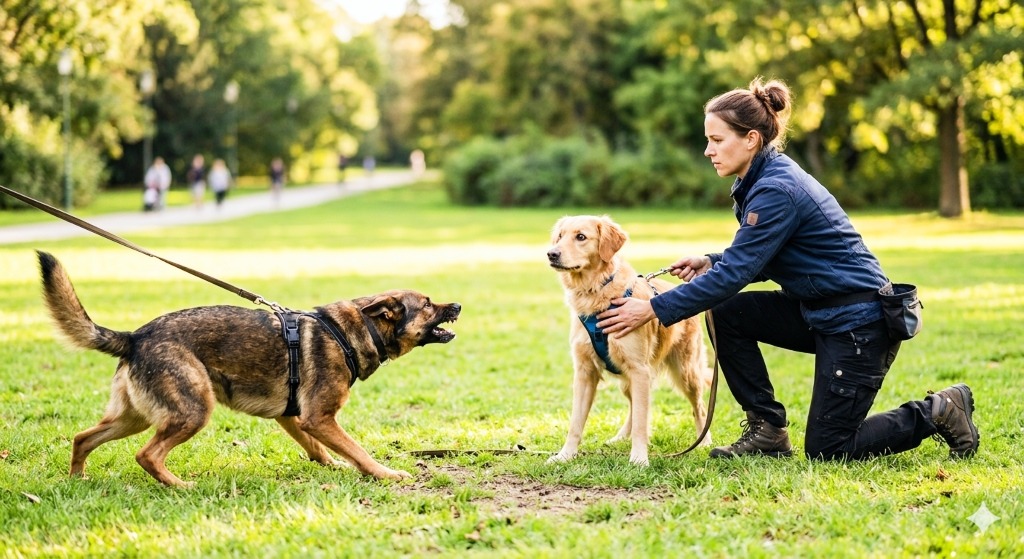
Preparing for a Safe Environment in Dog Aggression Training
It requires a structured way to protect everyone involved. First, do not ignore a veterinary check-up, because it can rule out any underlying pain and illness that might be contributing to the aggression.
Next, essential tools and materials such as muzzles, safe harnesses, and crates give you the physical control needed to handle predictable risky situations safely. In the end, conducting an initial assessment of your dog tells you this when a dog starts to feel like pressure. In case the training remains at a level where the dog can learn efficiently without becoming stressed.
Proven Training Solutions and Techniques
Dogs demonstrating aggressive tendencies require a systematic, consistent treatment strategy ordering leadership, safety, and the cultivation of trust. The primary goal is to mitigate stress and anxiety, foster calm, controlled conduct, and facilitate the dog’s acquisition of suitable responses to specific stimuli. The efficacy of supplementary training techniques hinges on the owner’s ability to establish a stable environment and furnish unambiguous direction.
Positive Reinforcement during Dog Aggression Training
This strategy focuses on rewarding your dog with treats, words of encouragement, or their favourite toys when they behave calmly and pleasantly. Using high-value rewards frequently strengthens your relationship with your dog, fosters trust, and rewards positive behaviour.
Desensitisation in Dog Aggression Training
This method focuses on the point, slowly exposing your dog to situations or things that usually make them fearful or aggressive. The process is completed in a calm, controlled, stress-free environment so your dog doesn’t feel overwhelmed.
With time and regular practice, your dog will feel much better and more confident. As their self-reliant level grows, their reactive responses decrease, and they learn how to stay relaxed even when faced with causes that previously trigger anxiety or aggression.
Advanced Support and Long-Term Success in Dog Aggression Training
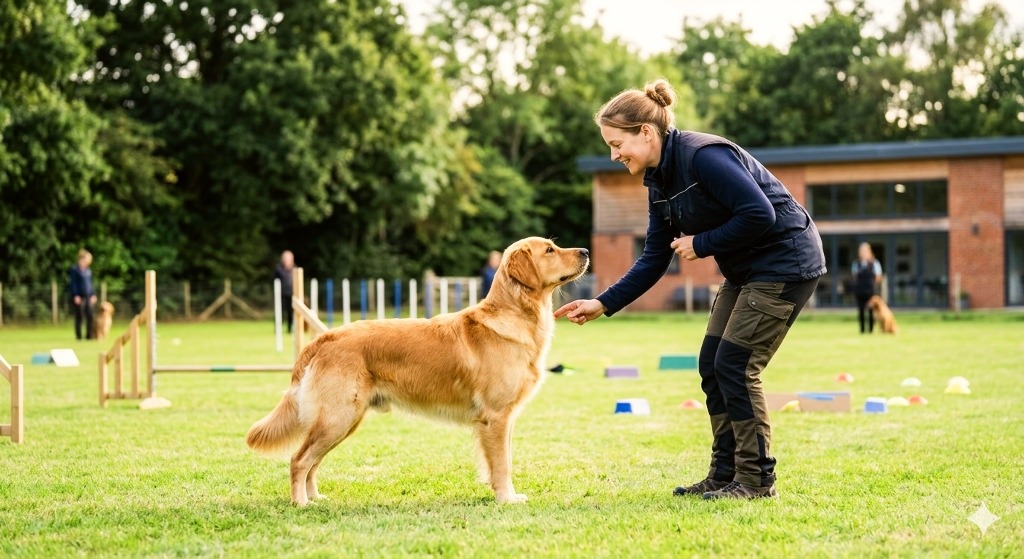
Managing aggressive behaviour in dogs requires patience, consistency, and sometimes professional support. Long-term progress becomes much easier when owners reach out to experts, follow a clear training plan, and take lessons from real-life success stories of other dogs.
Working with a Professional Trainer in Dog Aggression Training
A professional trainer identifies the causes of aggressiveness and provides safe, effective training methods for the owner.
Designing a Personalised Aggression Rehab Plan
It is necessary to address a customised training plan because every dog has different triggers. It gradually builds a calm response and also helps to improve the dog’s behaviour.
Real-Life Transformations
Consistent training and proper guidance improve the behaviour of aggressive dogs. It means long-term changes are possible.
Managing Aggression in Real-Life Scenarios
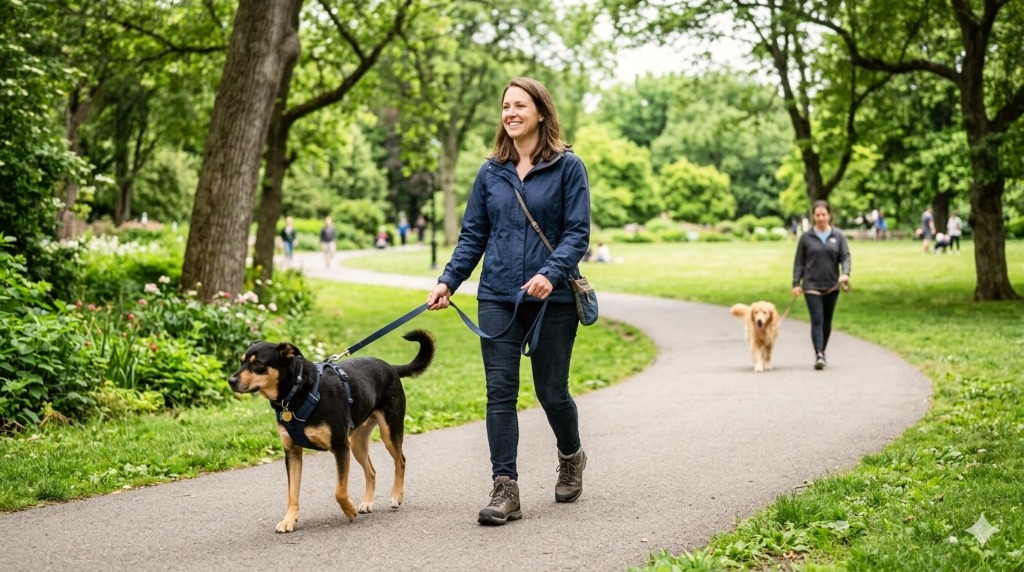
Patience, awareness, and consistent guidance from the owner are necessary to manage the aggressiveness in everyday situations. In multi-dog households or public places like dog parks, it is essential to monitor how the dogs interact. If they show threatening behaviour, you must handle the situation calmly. Maintaining order and preventing excessive encouragement can reduce conflict.
It is essential to compose without surgery or trauma because dogs can be aggressive due to pain, pressure, or negative experiences. In such circumstances, gradually reintroducing the routine activities and the veterinary guidelines can be helpful. Moreover, unfamiliar people can trigger defensive reactions, so calm behaviour is essential for the visitors at home. Giving the dog some time to settle, keeping introductions controlled, and avoiding sudden movements or applying direct pressure can help create a safer and more relaxed environment for everyone.
Faqs
How do I show my dog I am the alpha?
Show leadership as a provider and managing resources such as food and walks with a “sit-to-earn” rule. Instead of violence, try to be a leader who is always there for your team. Give your dog treats for the behaviours you want to see more of, so it will naturally follow your instructions and build a strong, cooperative bond with you during dog aggression training.
How do I make my dog fearless and aggressive?
You need to talk to a certified veterinary behaviourist.
You should be free from certain triggers.
You should make a plan for positive reinforcement during dog aggression training.
What to do if my dog is extremely aggressive?
You should work on building deep trust by spending time with other people.
You need to know how to use the master advanced obedience commands.
You should hire a certified trainer for dog aggression training.
Conclusion
In this article, I explain everything about dog aggression training. This information is best for beginners who are newly trained to work with dogs. After reading the article on dog aggression training, they can cope with aggressiveness. Moreover, it contains advanced methods which are useful for both beginners and experts. If you follow these instructions step by step, you will easily change the behaviour in dog aggression training.
