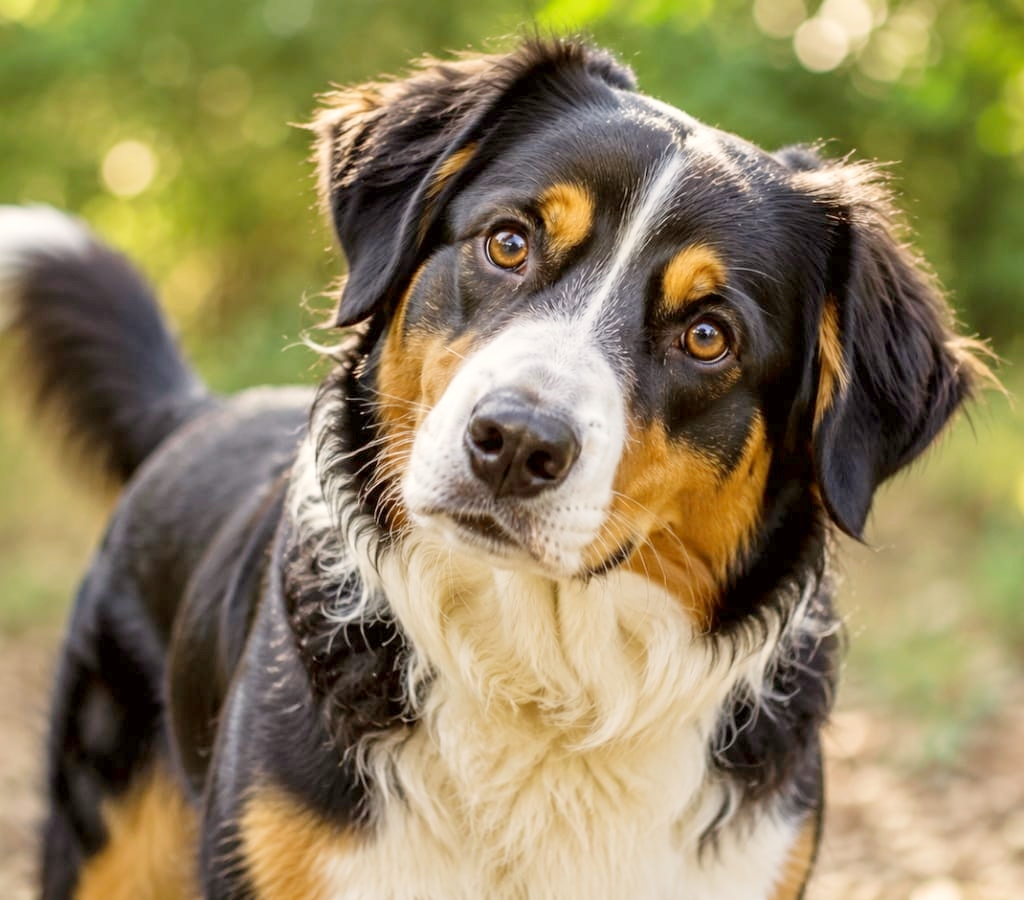
Dog Behaviour helps owners understand their dog’s emotions, body language, habits, and reactions in daily life. Every dog has its own role in its life. Sometimes it shows happiness by wagging its tail, expressing love, fear and interest through its behaviour. These are not only heard but also through physical gestures, facial expressions and eye contact. Living with a dog, you easily understand that every movement, yawning and eye contact says something. With patience, love and understanding, the owner builds a strong and delightful relationship with the dog.
What is dog behaviour?
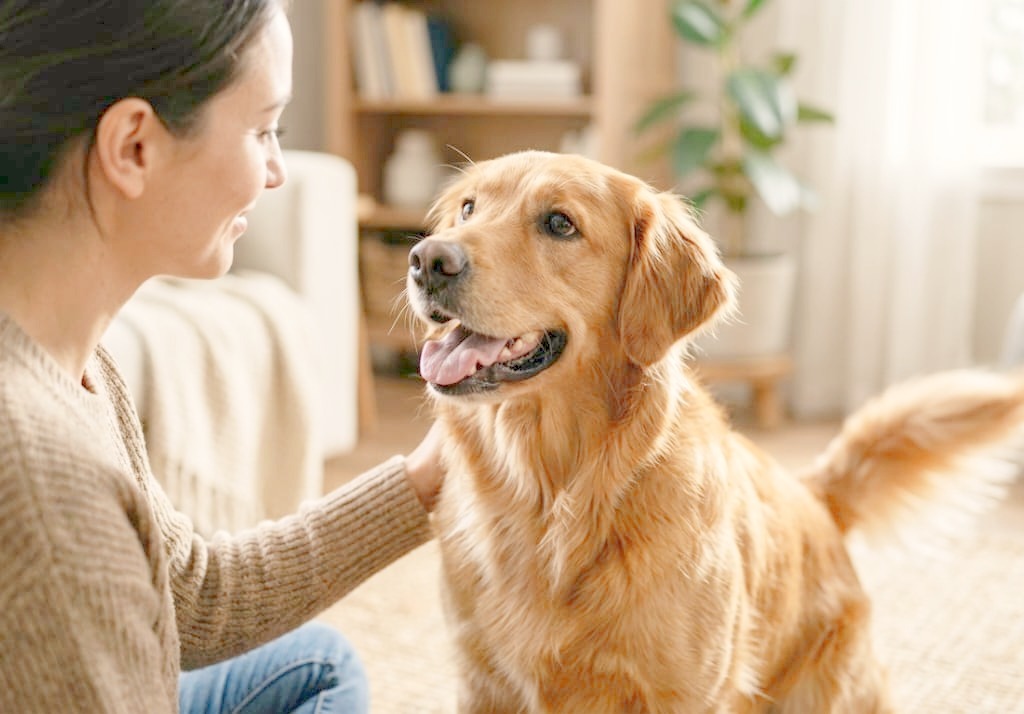
Dog behaviour is a complex communication system through which dogs express their body language, emotions, needs, sounds, and scent-based signals—natural behaviours such as smelling, scratching the ground, and alert barking. And performed actions shaped by their type, age, health, and previous experiences with humans.
The owner needs to understand dog behaviour to build a relationship based on trust and efficient communication. By using positive reinforcement and providing a stable environment, owners improve their dog’s behaviour to ensure that they remain well-balanced or happy, and respond to training.
Factors That Influence Dog Behaviour
Dog behaviours are innate and develop through their life experiences. How a dog reacts to people, animals, and different circumstances is shaped by several important factors.
Influences help to explain why some dogs are peaceful and friendly, while others may appear scared, energetic, or protective. To understand these differences, it is useful to consider factors such as a dog’s age, breed, and past situations.
Age, Breed, and Past Experiences
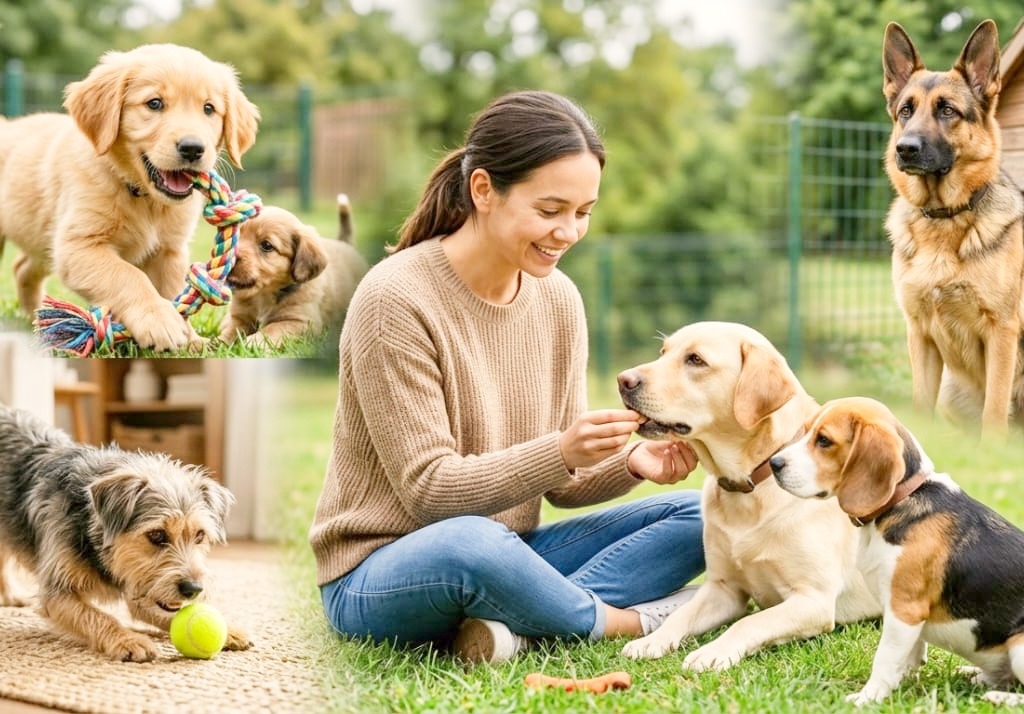
A dog’s age significantly affects its energy levels. Playful puppies eventually become more settled and predictable adults. The breed itself provides the genetic blueprint, along with inherent characteristics such as high energy or a protective nature.
However, past experiences are often the key factors. Positive socialisation boosts confidence. Negative and shocking events can lead to long-term nervousness or unease, irrespective of the dog breed.
Environment and Training
One that has active surroundings is secure, provides exercise, mental engagement, and reduces boredom. And decreases damaging habits, making the dog more ready to learn. Consistent, reward-based training is the primary means of communication between the owner and pet, enhancing positive dog behaviour, deepening the emotional bond, and ensuring the dog remains confident in various social situations.
Common Dog Behaviour Problems
Many dogs can negatively affect their well-being and the harmony of the home. Understanding these issues helps owners to deal with them quickly, preventing them from getting worse. Aggression, excessive barking, separation anxiety, and destructive chewing are some of the most common problems. These dog behaviours can develop from fear, boredom, a lack of training, or stress.
Aggression and Excessive Barking
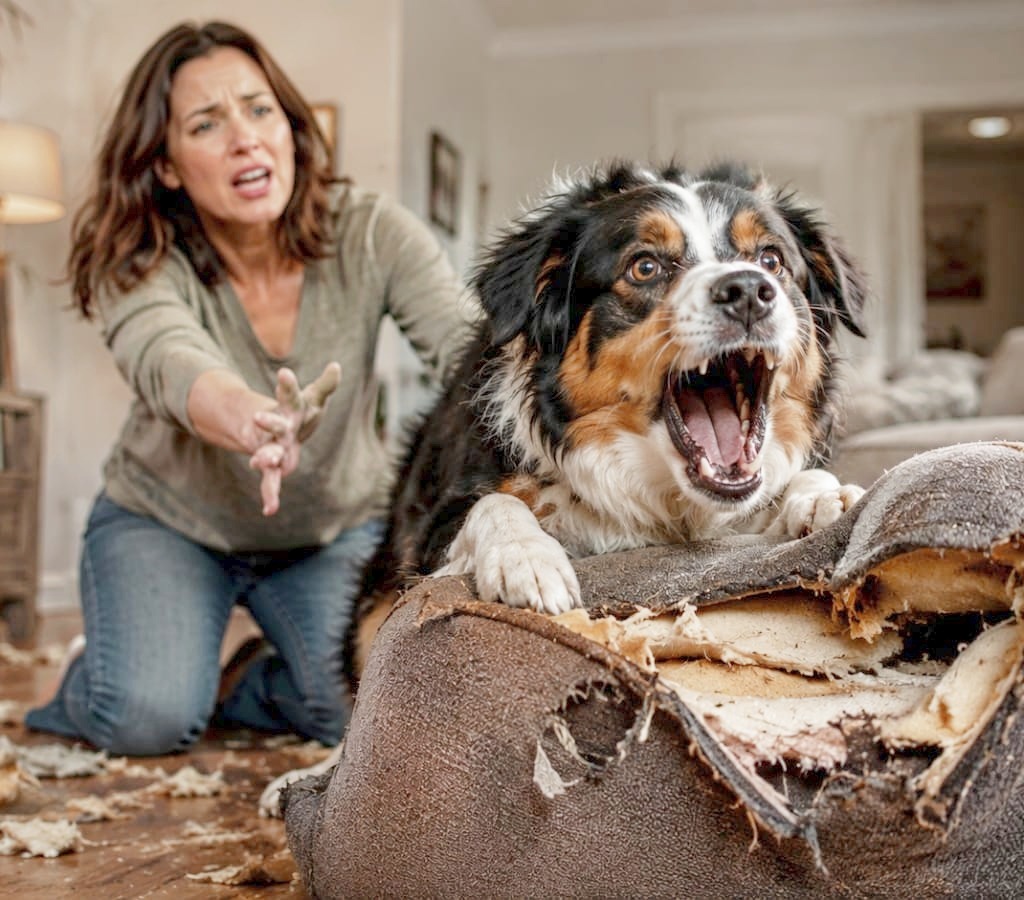
Underlying emotional states such as frustration and fear often trigger reactive behaviours, including aggression and excessive barking. While aggression may manifest as growling or lunging, and barking often conveys boredom or anxiety, both are forms of communication that require careful observation to identify the “trigger.” Regular training and mental enrichment are necessary for effective management of these behaviours. In severe cases of aggression, professional consultation should always be sought to safeguard both the dog and the community.
Separation Anxiety and Destructive Chewing
When a dog is bored, stressed, or left alone, it may chew things or have separation anxiety. When left alone, a dog with separation anxiety might pace, whine, or try to get away. Chewing things up helps them release extra energy or anger. The best way to deal with these behaviours is to give your dog a regular daily schedule, lots of praise, and items that will keep them safe, busy, and happy, such as puzzle toys or fun activities.
Understanding Body Language during Dog Behaviour training
Mostly, dogs show their feelings and intentions through nonverbal signals rather than speaking. If you observe their physical signs, it is easy to understand that they are happy, relaxed, restless, and under some pressure. As a result, you can prevent the possible problem without increasing. Wagging its tail, posture, facial expression, and eye contact are among the important signs. To understand these signs, you can build a good connection with your dog and provide a safe environment.
Tail Wagging and Posture Signals
The dog’s feelings and intentions are revealed by their tail and physical posture. If the tail is raised and stiffened, it indicates cleverness and wisdom, whereas tucking the tail down close to the body is a sign of fear and anxiety. In addition to the dog’s weight, how it is distributed provides important information. A calm physical condition appears relaxed, while leaning forward and sitting close to the ground can be signs of keen interest and obedience. It is necessary to understand a dog’s mood so that owners can interpret all the gestures rather than relying on a single sign.
Facial Expressions and Eye Contact
The appearance of the face and eyes plays an important role in understanding the dog’s feelings. Licking lips, yawning, and showing teeth are often signs of restlessness and pressure. In contrast, soft, relaxed eyes reflect tranquillity, whereas a stern gaze can signal aggression. When the cues in a dog’s eyes are seen alongside other signs, it means the dog understands better.
Tips to Improve Your Dog’s Behaviour
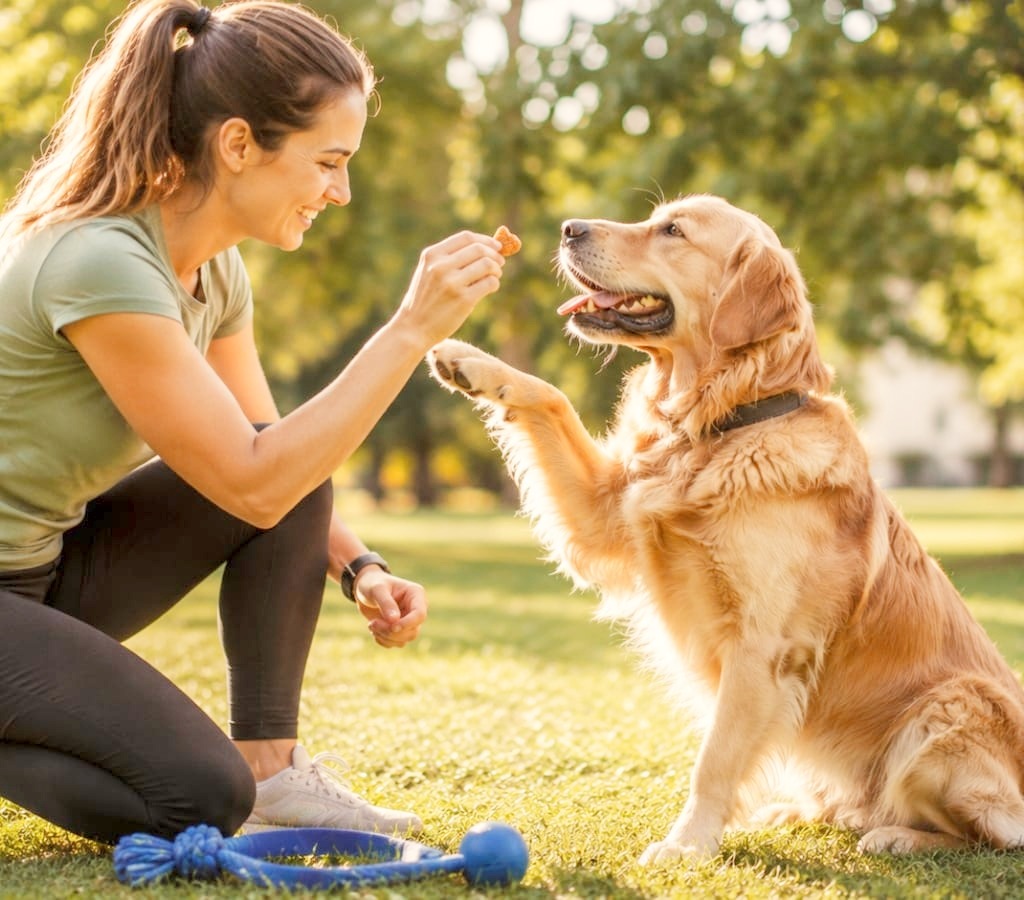
Patience, consistency, and understanding are essential to improve a dog’s behaviour.
The key tips are as follows.
- Use Positive Reinforcement: Reward the dog for good behaviour, like a treat, praise, or play, and avoid punishment for mistakes.
- Provide a Safe Space: Keep your dog in a peaceful place so it feels relaxed and its mental pressure is reduced.
- Regular Exercise & Play: Daily exercise and play with toys keep the dog energetic and happy and help prevent boredom during dog behaviour training.
- Teach Basic Commands: Sit, stop, and leave are commands that help the dog’s behaviour and its control.
- Socialise & Observe: Introduce your dog safely to new people, animals, and environments. Look for the signs of pressure, such as rapid breathing, hiding, and tail tucking.
FAQs
What are the behaviours of a dog?
The common behaviours of dogs are as follows
Communication & Body Language
Social & Pack Instincts
Territorial & Protective Actions
Stress & Anxiety Signals
Destructive Behavior
Hunting Instincts
Compulsive Behaviors
Barking Varieties
Why does my dog cry when I leave?
- Your dog cries when you leave because it feels nervous and misses you
- When your dog is alone, maybe it feels bored and restless
- Your dog can feel more comfortable with treats, toys and calm goodbyes.
How does a dog say goodbye?
- The dog watches you from the door or a window
- Sit with calmness and fall asleep
- Bump into you before leaving
- Produce a light sound so that you notice it
How do dogs say thanks?
Dogs say thanks in the following ways
Tail wagging: It often shows appreciation
Licking: When a dog gently licks your hand or face, it’s often their way of saying thank you.
Excited behaviour: If dogs are playing, jumping and bringing it means they are happy.
Following you or staying close: If a dog stays near you after receiving care, it means he trusts you.
Conclusion
Dog behaviour is not only about physical gestures, but also shows confidence, love and protection. These little gestures indicate how happy, stressed and fearful your dog is. We bring happiness to the dog’s life with patience, positive training and affection. When we understand their sentiments and treat them with sympathy, it builds a relationship that remains strong and pleasant for a lifetime.
