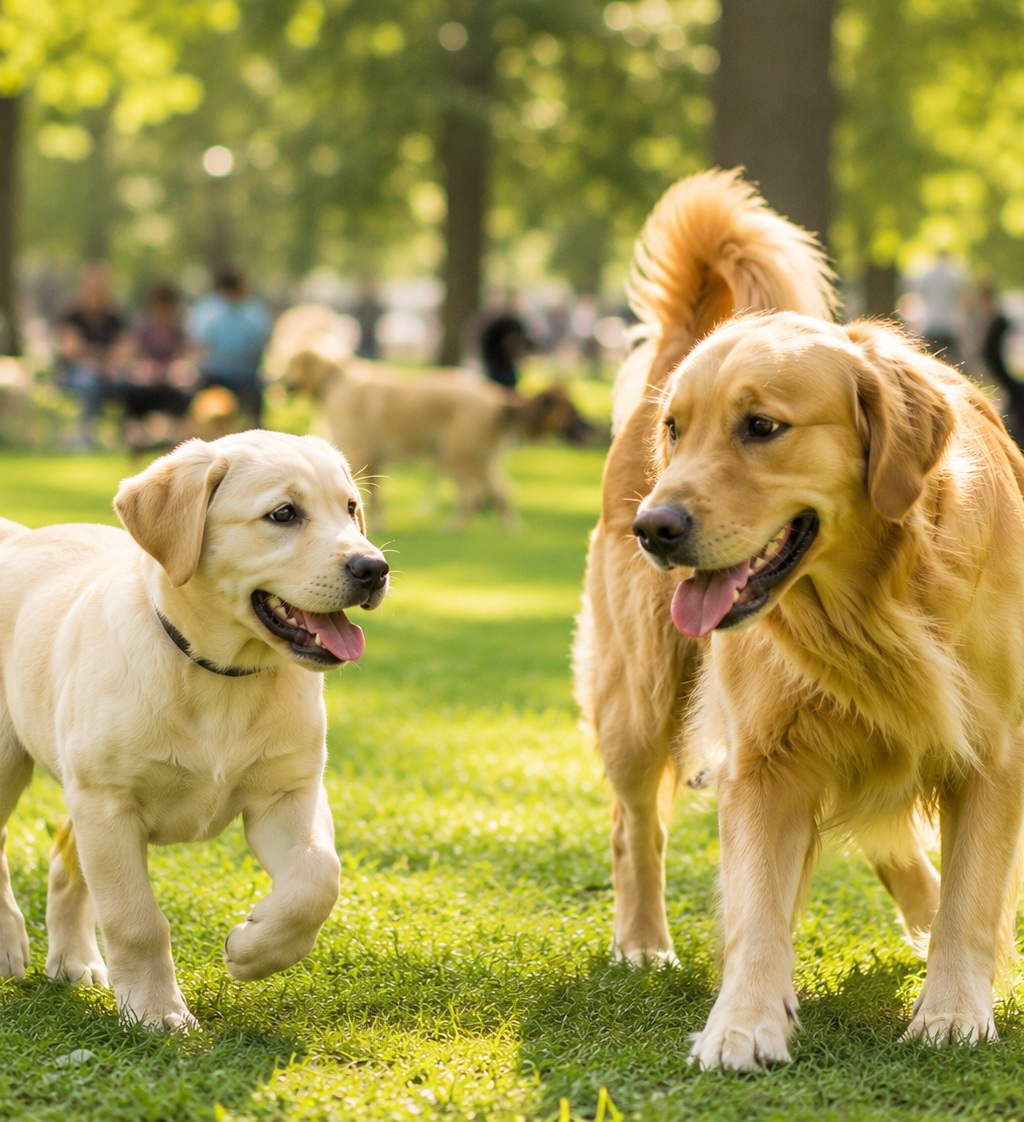
Dog socialization is critical for developing an active, confident and happy companion. Dog Socialization is crucial whether you are raising a puppy or an older dog. When a dog is properly socialized, they will not be as nervous or anxious around unfamiliar people, other animals, places, and normal situations. Because of their successful dog socialization, well-socialized dogs are less likely to develop fears, anxiety or aggression.
Dog socializing is more than meeting and playing with other dogs; it is also about teaching them how to respond calmly and confidently to new sights, sounds, experiences, and social interactions. If socialization is started at an early age, your dog will adapt more easily; however, adult dogs can also benefit greatly from formal training and positive social experiences.
This comprehensive guide on dog socialization will give you all the reasons why socializing your dog is necessary, what the optimal age for your dog’s first socialization experience is, how to use proven socialization techniques for both puppies and adult dogs, and some easy ideas to help develop confidence in your dog if they are fearful or nervous.
Best Age to Start Socializing a Puppy

The early developmental window contains the most important phase of puppy training: the critical puppy socialization period. Usually starts around 3 weeks and lasts until 14 to 16 weeks. This is why early training of a puppy works so well, because the brain is very malleable during this time.
The environmental exposure of puppies at this stage will help determine how they behave as adults. Puppies who have safe sounds, people, and environments early become more confident. However, if this stage is skipped, long-term dog behaviour problems can arise, such as fear and reactivity, which will need to be rehabilitated slowly with structured dog training methods.
Why does dog socialization matter
When a puppy is properly socialized, it will learn to remain calm in new situations rather than fearful or aggressive.
This process is a major factor in the development of behaviour and in the long-term stability of dog behaviour. Proper dog socialization builds trust, reduces anxiety, and improves communication between dog and handler. In simple terms, it develops a confident mindset, so the dog understands life situations instead of fearing them.
H2: Effective Dog Socialization Techniques for Puppies and Adult Dogs
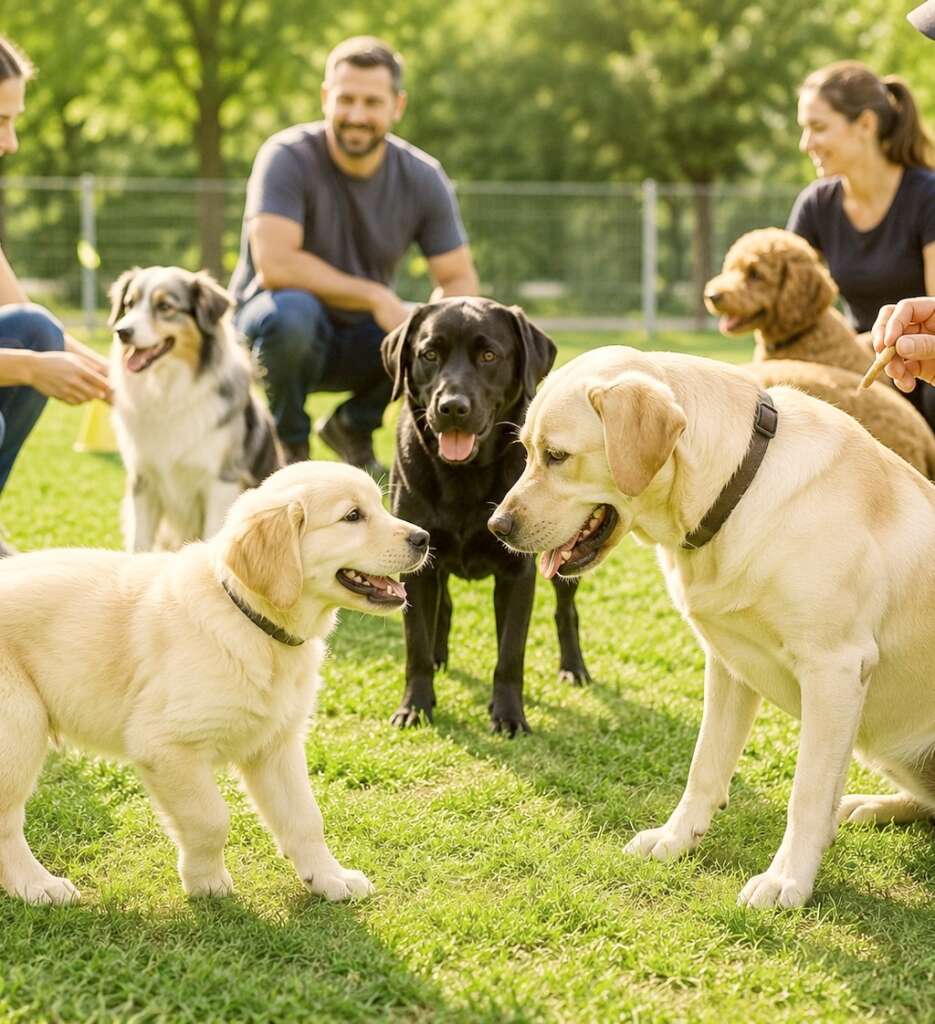
The foundation of all successful dog socialization training is to begin with controlled experiences.
For Puppies
Never put a puppy into a scenario that is overwhelming for them. Instead, give them small, safe exposures that build off of each other as they progress through the process. When you begin exposure training, your puppy will develop confidence through the gradual introduction to new sounds, surfaces, and people. Over time, this provides your puppy the ability to learn and socialize within his environment through his experiences. It develops both the owner’s and the pet’s long-term communication skills.
For Adults
Dog socialization should be approached differently from training a puppy, as the adult dog’s behaviour has already been established. Nevertheless, adult dogs can still change their reaction if trained well. Compared to a puppy, an adult dog will take longer to adjust; therefore, they require more time and patience to change their behaviour.
Positive reinforcement can be used by the owner to slowly re-establish trust with their dog and demonstrate ways to reduce anxiety through gradual improvement (i.e., rewarding any small advances). Therefore, as you continue with positive reinforcement techniques, they will not only build upon each other but also ultimately increase your dog’s obedience to your commands (i.e., dog owner training guide) while helping your dog feel secure in new environments.
Understanding Dog Behaviour and Positive Reinforcement During Socialization
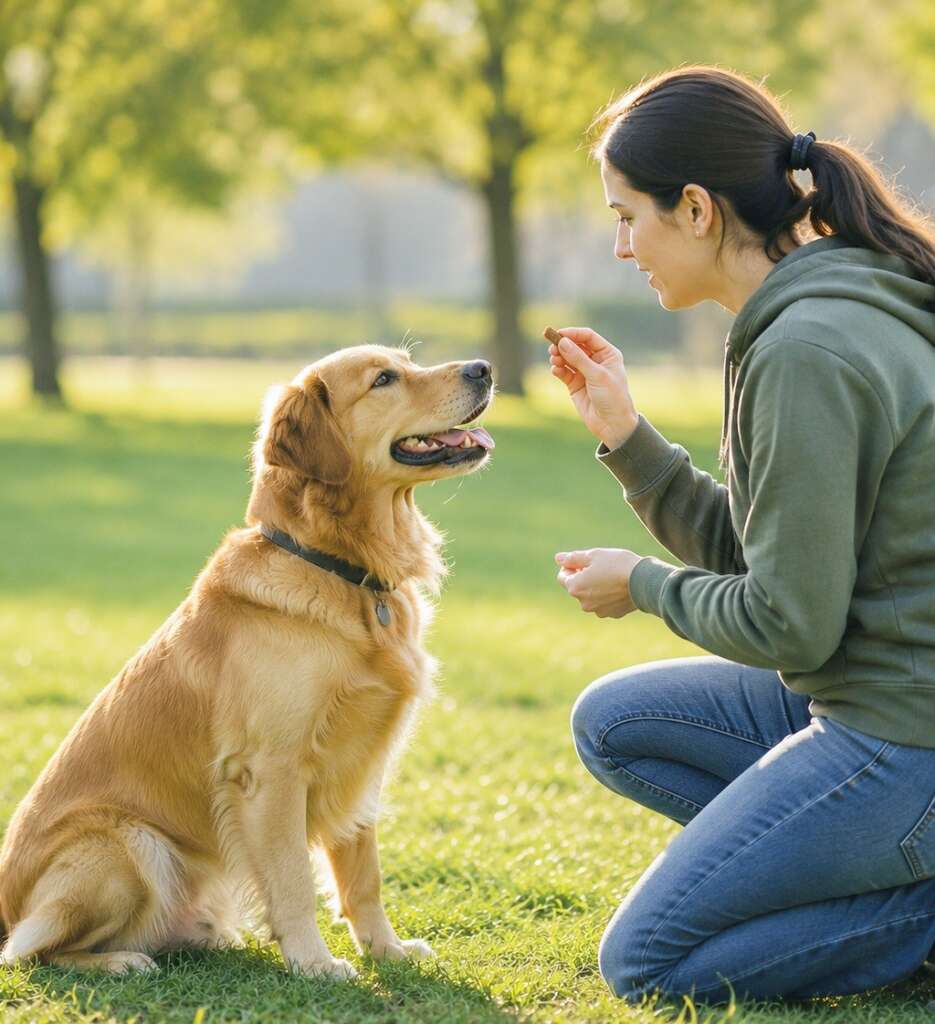
Comprehending canine body language cues is a vital aspect of socializing dogs. Dogs use their body postures, eye movements, and slight visible behaviours to express themselves. Stiffness, lip licking or ignoring might indicate that a dog is showing signs of stress.
If an owner understands how their pet communicates, they can help create a better communication experience with their dog. Involve and lower the amount of unneeded pressure placed on the dog. To understand will also provide a greater understanding of canine psychology and support more effective training.
One of the biggest mistakes in puppy socialization is exposing the dog too quickly to overwhelming environments. This can create fear instead of confidence. Another common issue is forcing interaction, which breaks trust and increases stress.
These mistakes often damage safe socialization for puppies and lead to long-term behaviour problems. Owners must understand that dog socialization is not speed-based but consistency-based. Slow progress always creates stronger emotional stability and better behavioural outcomes.
How to Socialize a Nervous or Fearful Dog in Real-Life Environments
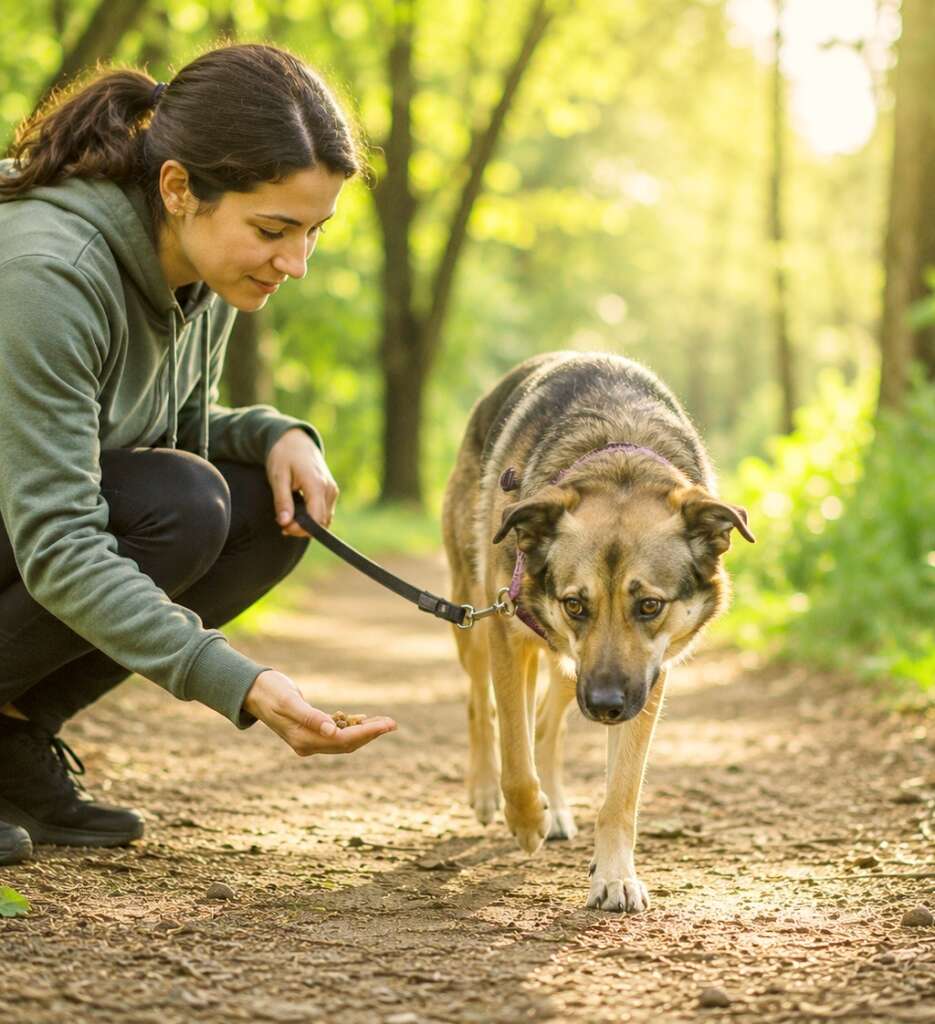
Gentle handling and proper rehabilitation are required for fearful dogs. For this reason, the need for dog fear-behaviour management strategies and slow introductions is crucial. The key objective is not to hasten the process but to rebuild the sense of security.
The same principles that apply to human exposure therapy also apply to canine exposure therapy. With the help of crate training and de-stressing, dogs become more adept at self-calming during stressful circumstances. This will ultimately lead to improved dog adaptability training, resulting in less fearful behaviour in their day-to-day life.
Dogs can develop their ability to function in a variety of settings through real-life experiences, including parks, sidewalks, homes and while travelling. These experiences show the dog how to react to different kinds of feelings and behaviours that he may encounter in his daily life.
There are advantages to developing real-world experiences that will improve the effectiveness of guide training and help establish a more significant bond between the guide dog and the handler.
FAQs
How do I get my dog to socialize?
Start by introducing your dog to calm, friendly dogs and new people in a safe, controlled environment.
Use treats, praise, and patience to create positive experiences and gradually build your dog’s confidence.
Is 9 months too late to socialize a dog?
No, 9 months is not too late to socialize a dog; dogs can learn social skills at any age with consistent training.
Introduce new people, pets, and environments gradually while rewarding calm and positive behaviour.
How to fix a poorly socialized dog?
Help your dog build confidence by slowly exposing them to new people, dogs, and environments at a comfortable pace. Reward calm behaviour with treats and praise, and avoid forcing interactions that cause fear or stress.
Conclusion
As a whole, dog socialization is a lifelong journey that contributes to a dog’s development, confidence, stability and behaviour that accompanies those characteristics. Dog socialization is closely related to canine development and overall mental health. With socialization through structured puppy training, patience and consistent real-world experiences, you have a well-balanced, confident dog. A well-socialized dog is not only obedient but also emotionally intelligent, socially aware, and able to cope with a variety of real-world situations with confidence.
