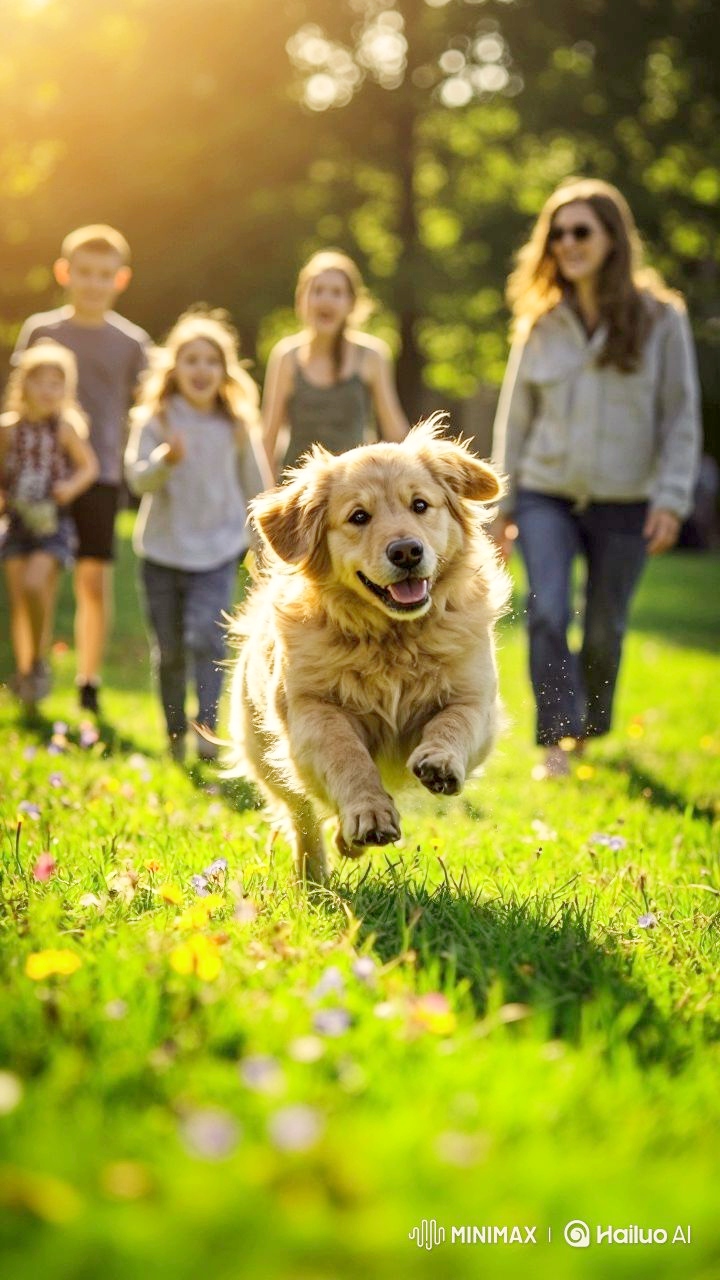
Rescue is more than just bringing home a new pet. It’s about giving a deserving animal a fresh start and gaining a loyal companion who may change your life in unexpected ways. Every year, millions of rescue dogs find their way to an animal shelter, dog shelter, or foster home because of abandonment, neglect, or family changes. Many of these wonderful dogs are thankfully given a second chance and loving families through dog adoption programs. Whether you are considering adopting a rescue dog for the first time or simply want to learn more about dog rescue, understanding their needs is the key to success.
Why More People Are Choosing Rescue Dogs

Whether you want a high-energy running partner dog or a snuggle buddy, it’s best to think carefully about what you can offer, such as time, energy, and space. For example, you may love the appearance of a Border Collie but may not have the capacity or resources to meet their herding instinct, which is high-needs. A breed selector tool can assist. If you are concerned about behavioral issues, seek out a reputable shelter or rescue that is known for being upfront about any behavioral challenges. Some organizations will also have an adoption counselor to help you find a dog who fits your lifestyle.
Where Can You Find Rescue Dogs?

The first step to finding the right rescue dog is choosing a reputable source. Well-known rescue organizations, foster programs, and local shelters screen dogs thoroughly before they are placed in permanent homes. You have the opportunity to visit some facilities, compare personalities, ask questions, and find a companion.
Animal Shelters
Local animal shelters, including Humane Society-affiliated ones, typically have dogs of all ages, breeds, and temperaments. Some shelters are funded by city or state taxes; others rely on donations. Many are easily available. A benefit of a shelter is that it’s one central location, you can see a lot of dogs in a day,” Paschold says. Shelters take in strays and animals surrendered by their owners and may find homes to make space for new arrivals. This fast turnaround can make it difficult to assess a dog’s behavior before adoption. Dogs in a shelter environment might behave differently than they would in a cozy home situation,” adds Paschold.
Rescue Organizations
Many rescue organizations specialize in certain breeds, ages, or medical needs, which makes it easier to find a dog that fits your lifestyle. Many of these groups will foster dogs before adoption, so volunteers can get to know the dog’s personality, habits, and temperament. This way, families can make smart choices while still following the responsible rescue dog adoption guide.
Most organizations conduct home checks and review the rescue dog health checklist before approving an application. They also evaluate behavior to make sure each dog is matched with the right family. This rigorous process helps ensure a successful dog adoption and reduces the likelihood that dogs end up back in shelters.
Foster-Based Rescue Groups
Foster-based groups place rescue dogs in real homes, not kennels. It gives dogs a chance to unwind and show their true personalities before they meet potential adopters. Foster families can offer really useful insights into a rescue dog’s personality, daily habits, and training progress, which can make the transition much smoother.
A home environment also helps dogs learn about household routines, people, and sometimes other pets.
Preparing Your Home for Rescue Dogs

Making preparations in your home before bringing your new friend will make everything easier and create a relaxing atmosphere. Get rid of all dangerous things, tie down electrical cords, and put poisonous food or household chemicals somewhere safe. Get all the things, like dishes for food and water, a cozy place to sleep, toys, a collar, and all grooming stuff. Making sure you have followed a rescue dog checklist will help you not forget anything before the first day.
A predictable schedule will make your friend adapt faster.
Common Challenges with Rescue Dogs

Each dog behaves differently once they get adopted. While some dogs adapt very quickly to the changes that come with adoption, others take much longer, even months. It is important to understand how rescue dog behavioral issues work to be more patient with the animal.
It will help to know how long it takes a rescue dog to adjust to its background, its age, and even temperament. While some dogs may feel scared in the first week, others immediately bond with their new owners.
- Fear and Anxiety
- House Training
- Separation Anxiety
- Trust Issues
Benefits of Adopting Rescue Dogs
Choosing rescue dogs gives deserving animals a second chance while enriching your own life. Many adopted dogs become loyal companions who provide emotional support, encourage daily exercise, and strengthen family connections. The reasons to adopt a rescue dog go beyond kindness because adoption also reduces shelter overcrowding and supports responsible animal rescue efforts worldwide.
Many people wonder, are rescue dogs good pets, or make good family pets? The answer depends on choosing a dog whose personality matches your lifestyle rather than focusing only on breed or appearance. With proper care, training, and commitment, rescued companions often become loving family members for many years.
FAQs
How do I train my rescue dog?
- Be patient.
- Follow a daily routine.
- Use positive reinforcement.
- Teach basic commands first.
- Keep sessions short.
- Reward good behavior.
- Avoid punishment.
- Socialize gradually.
- Exercise every day.
- Stay consistent.
How to help a very nervous rescue dog?
- Stay calm and patient.
- Give them a quiet, safe space.
- Keep a consistent routine.
- Avoid forcing interactions.
- Use treats and praise.
- Speak in a gentle voice.
- Introduce new people slowly.
- Provide daily exercise.
- Build trust gradually.
- Consult a veterinarian if anxiety is severe.
What are the signs my rescue dog is stressed?
Common signs your rescue dog is stressed include trembling, hiding, excessive panting, pacing, whining, loss of appetite, pinned-back ears, and avoiding eye contact.
Can a dog be left alone for 12 hours?
No, a dog should not be left alone for 12 hours, as it can lead to stress, anxiety, boredom, and unmet bathroom or exercise needs.
Conclusion
Welcoming rescue dogs into your home is not just an act of kindness but also a commitment. Your adoption will change two destinies at once, providing a dog that deserves a better life with the family, and bringing a loyal and happy pet into your home.
