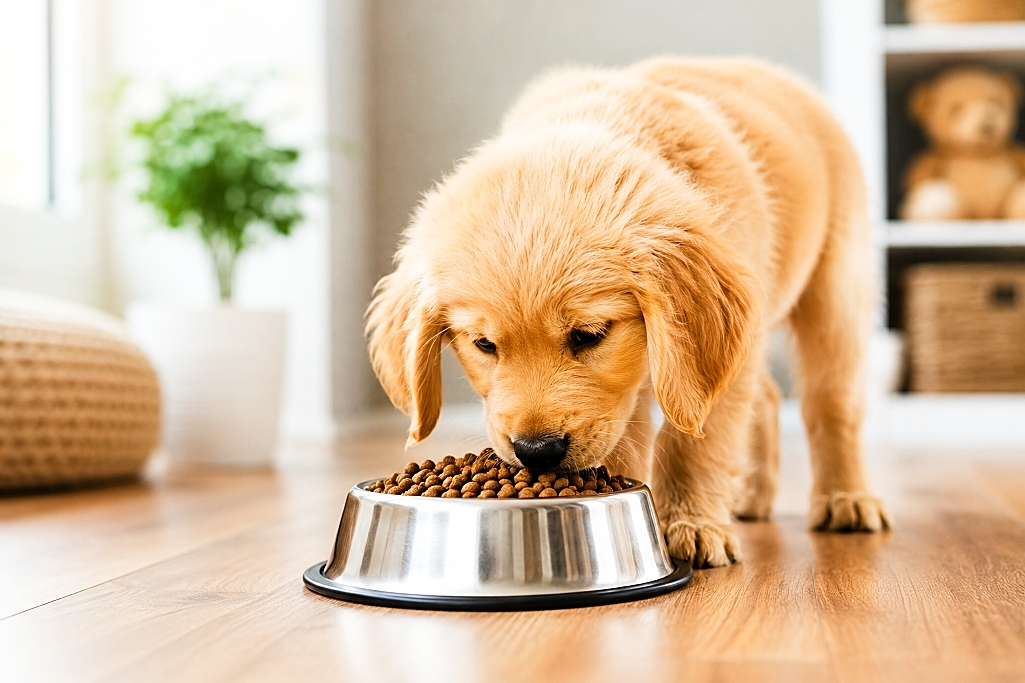
The first few months of your puppy’s life are an exciting and important time—not just for your puppy, but for their new owner. Your puppy is still undergoing massive changes, growth, and new experiences as they approach their second birthday, by which time all breeds will be fully grown. Bringing home a new pet takes a lot of research. A big part of it is the feeding. This puppy feeding guide will provide you with all the information you need to make the best decisions about your puppy’s diet during those important first months, and help set them up for a long and healthy life.
Puppy Feeding Schedule by Age

Puppy feeding schedule is determined in the following ways.
Newborn Puppies (0–6 Weeks)
Mother’s Milk is needed for the full nutrition and strong immunity of a Newborn Puppy. If the mother is unable to nurse, feed a veterinarian-approved Puppy Milk Replacer (not cow’s milk). Start Weaning at 3 – 6 weeks. Introduce soft food with Puppy Formula. Small Frequent Meals help support healthy Puppy Growth, and Fresh Water should be available as solid food intake increases.
3–6 Months
Give your puppy breakfast, lunch, and dinner at the same time each day. You will still be feeding puppy food, but be sure to watch your puppy’s growth and change the amounts accordingly. If you have a standard 9-to-5 job, your puppy’s feeding and walking schedule might be as follows:
- 7:00 am: Morning meal, followed by an outdoor walk and playtime
- 8:30 am: Outdoor walk and playtime
- 12:00 noon: Midday meal, followed by an outdoor walk and playtime
- 2:00 pm: Outdoor walk and playtime
- 5:00 pm: Evening meal, followed by outdoor walk and playtime
- 7:00 pm: Final outdoor walk and playtime of the night
Your pup will likely shed her puppy pudge by the time she is about three or four months old. If you think your puppy is carrying too much or too little weight, speak to your vet and then adapt how much food you give accordingly.
6–12 Months
Your puppy is becoming an adolescent! From now on, you can switch to two meals a day. Continue to feed puppy food until your puppy is spayed or neutered. Then you can switch to an adult food based on her age. Some puppies (especially those from shelters or rescue groups) are fixed as early as 8 weeks of age, but should still be kept on puppy food until they reach the age of six months.
How Much Should You Feed a Puppy?

Some of the most popular and vet-recommended puppy foods include Purina Pro Plan Puppy, Eukanuba Premium Performance Puppy Pro, and Hill’s Science Diet Puppy Small Bites.
If you find your puppy is getting too heavy, reduce the amount of food you give per day, but keep the same schedule of feeding. Take your puppy on more frequent walks or encourage them to swim, increasing their daily low-impact exercise. As your puppy grows, you will begin to see his body condition even out, which is a sign that his nutritional requirements are being met. Many factors affect the puppy’s feeding schedule.
Factors That Affect Feeding Portions
| Factor | Why It Matters |
| Age | Determines meal frequency. |
| Breed Size | Affects growth rate. |
| Weight | Guides food portions. |
| Activity Level | Changes calorie needs. |
| Food Quality | Improves overall nutrition. |
Dry or Wet food for a puppy
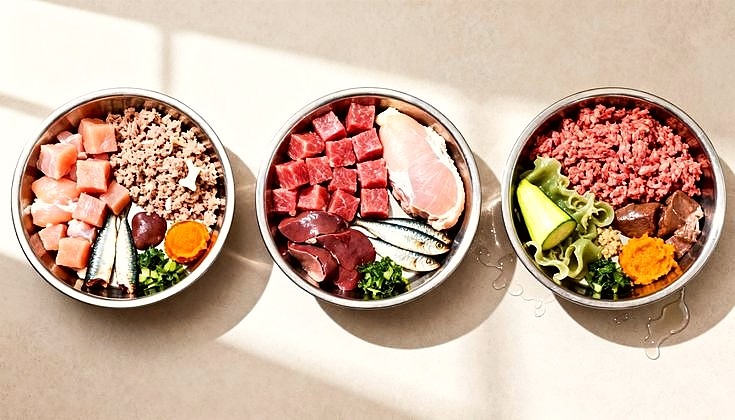
Many people like dry kibble, but it is not the only choice. You may see both dry and wet puppy food as you browse the dog food aisles. This can make it harder to know what to feed your puppy. If they’re complete and balanced for growing puppies, you can feel confident feeding your pup either the wet or dry formulas. You and your puppy may have a preference when it comes to dry or wet. You can also feed a combination of the two.
It is critically important that the total caloric value of your puppy’s diet does not go over or under their daily energy requirement if you are feeding a combination of wet and dry food. The calories on the package will show you how much wet food replaces the dry food and vice versa. “This allows you to figure out how much of each product you need to meet your puppy’s nutritional needs.
When Should You Switch to Adult Dog Food?

It really depends on the dog! Smaller breeds of dogs typically go through between seven and nine months. Larger breeds have more growing to do and may continue on puppy food up to one year. Most households feed their dogs twice a day with adult dog food after the first year.
| Breed Size | When to Switch to Adult Food | Key Recommendation |
| Small Breeds | 9–12 months | Switch gradually |
| Medium Breeds | 12–15 months | Monitor growth |
| Large Breeds | 15–24 months | Support bone health |
Common Puppy Feeding Mistakes to Avoid
| Feeding Mistake | Why It’s a Problem | Better Choice |
| Overfeeding | Weight gain | Measure portions |
| Free Feeding | Overeating | Scheduled meals |
| Sudden Food Changes | Digestive upset | Transition gradually |
| Too Many Treats | Poor nutrition | Limit treats |
| Table Scraps | Upsets digestion | Feed puppy food |
| Ignoring Water | Dehydration | Fresh water always |
FAQs
What is the best feeding schedule for puppies?
Puppies should be fed every 2–3 hours from birth to 4 weeks, 4 times daily from 4–12 weeks, 3 times daily from 3–6 months, and 2 times daily from 6–12 months, depending on age, breed, body condition, and veterinary direction.
Can a puppy go 12 hours without food at night?
No, puppies less than 4 months old should not go without food for 12 hours overnight.
Can I give a boiled egg to my 1-month-old puppy?
No, a 1-month-old puppy is not old enough to eat boiled eggs as a regular food because puppies at this age need mother’s milk or puppy milk replacer.
What is the hardest month for a puppy?
The puppy goes through hormonal, behavioral, and developmental changes, and this is the toughest time for it, between 6 and 8 months of age.
What are the signs of overfeeding a puppy?
The signs of overfeeding are
- weight gain
- loss of a visible waist
- difficulty feeling the ribs
- frequent soft stools or diarrhea
- excessive gas
- reduced activity despite normal health.
Conclusion
One of the easiest ways to give your puppy the best possible start in life is to follow the right Puppy Feeding Schedule. Choosing the right Puppy Food to switching meals as your puppy ages, every step requires careful consideration. A balanced diet, a regular feeding schedule, and portions appropriate to your pet’s age all contribute to stronger bones, better digestion, and lifelong wellness.
