
The most serious type of dog ear infection is called an outer ear infection. In otitis externa, small numbers of bacteria and yeast are not a serious problem. Debris accumulates and infects the healthy ear canal, leading to an ear infection. Basset Hounds, Beagles, Chinese Shar-Peis, Cockapoos, and Labradoodles are five dog breeds that are prone to ear infections. An ear infection causes discomfort, chronic pain, hearing loss, or even neurological issues, and the ear infection should be treated.
High humidity and seasonal allergens in California might increase the risk of ear infections in dogs. Dog ear infections usually start slowly, but can progress quickly if left untreated. In this guide, dog daycare experts explain everything about dog ear infections to help owners to know the symptoms, causes, and prevention to protect their pet.
Symptoms of a dog ear infection
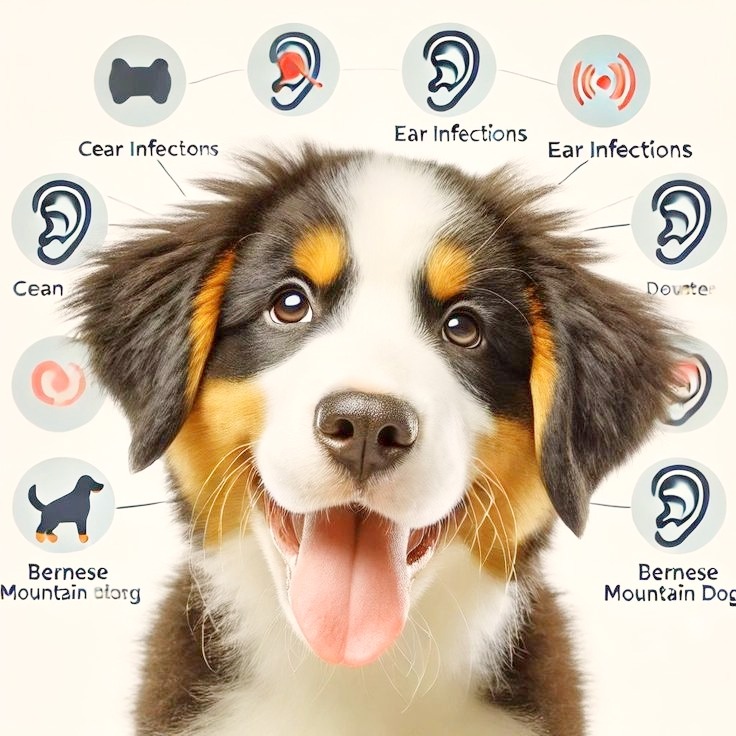
If your dog shows these symptoms, you must go to a veterinarian.
- Frequent head shaking
- ear scratching
- Red, swollen, or irritated ears
- Strong foul odor from the ears
- Yellow, brown, or blood-tinged ear discharge
- Pain or discomfort
- Loss of balance
- Reduced hearing in severe cases
Types of Dog Ear Infections
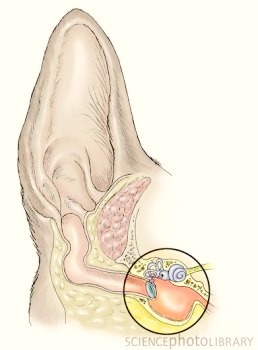
There are three types of dog ear infection
- Otitis externa: It affects the outer ear canal and often results in itching, redness, swelling, ear discharge, foul odor, and frequent head shaking.
- Otitis Media: This type is when the infection spreads to the middle ear behind your eardrum. It may lead to increased pain and inflammation, hearing issues, and often requires immediate veterinary care.
- Otitis Interna: This is the worst type of dog ear infection. It affects the inner ear and can cause balance problems, head tilt, difficulty walking, dizziness, and even hearing loss.
Common Causes and Underlying Issues
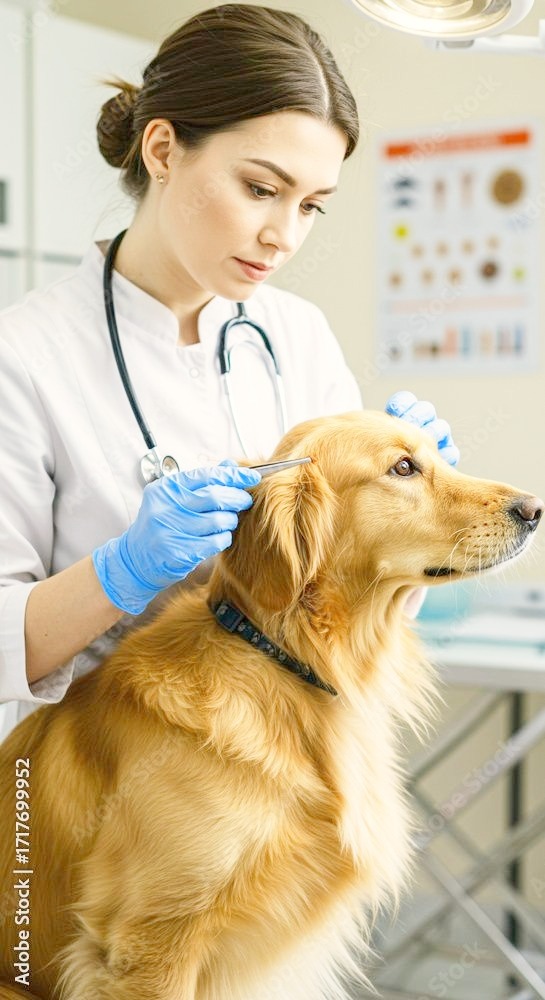
It is not uncommon for ear infections in dogs to just arise suddenly without a specific cause. There may be some underlying condition that predisposes the animal to such an infection.
Excess Moisture Inside the Ear
Water trapped in the ear due to swimming, cleaning, or humid weather becomes lodged in the ear canal. Dogs that are swimmers or exposed to wet environments are more likely to develop ear infections.
Foreign Objects, Ear Mites, and Other Irritants
Foreign objects, such as grass, dust, soil, or other particles, may become lodged in the ear canal and result in irritation. The ears can be damaged by bugs like ear mites, which will cause inflammation.
Allergies That Trigger Ear Infections
Food allergies and season can cause an inflammatory reaction in the ear canal. With continuous inflammation, the dog becomes susceptible to pathogens because of the weakening of the skin’s defense. Unless the allergy is treated, the dog will continue having ear infections.
Ear Anatomy Risk Factors
Dogs that have floppy ears, narrow ear canals, and hairy ears do not have enough air movement inside the ears, resulting in heat and moisture accumulation. Such dogs need regular checks.
How Veterinarians Diagnose Dog Ear Infections
Veterinarians use several diagnostic methods to identify the cause and severity of a dog’s ear infection before recommending treatment.
Physical Ear Examination: The vet will examine the ears for redness, swelling, discharge, odor, pain, and signs of inflammation.
Otoscopy: An otoscope is used to look down the ear canal and the eardrum for foreign objects, ear mites, swelling, or damage deep in the ear.
Ear Cytology: A sample of ear discharge is taken and examined under a microscope to find bacteria, yeast, parasites, or inflammatory cells.
Ear Culture and Sensitivity Test: For chronic or severe infections, a culture test will tell you exactly what microorganism is causing the infection and which antibiotics or antifungal medications will work best.
Blood Tests: Your doctor may order blood tests to see if your recurring ear infections are related to allergies, hormonal problems, or immune system problems.
How to Prevent Dog Ear Infections

| Prevention Tip | Why It Matters |
| Clean Ears | Removes dirt |
| Keep Ears Dry | Prevents moisture buildup after swimming or bathing. |
| Check Ears Weekly | Helps detect redness, odor, or discharge early. |
| Control Allergies | Reduces inflammation that can trigger ear infections. |
| Avoid Cotton Swabs | Prevents injury and pushes debris deeper into the ear canal. |
| Visit the Vet Regularly | Ensures early detection and treatment of ear problems. |
FAQs
How can I treat a dog’s ear infection at home?
Yes, you can treat a dog’s ear infection at home, but with the vet’s suggestion.
- Use a veterinarian-approved ear cleaner.
- Apply prescribed ear drops.
- Keep your dog’s ears clean and dry.
- Avoid using home remedies or human ear drops.
- Follow your veterinarian’s treatment instructions.
Does a dog’s ear infection heal on its own?
No, most dog ear infections do not heal on their own and usually require veterinary treatment.
Will hydrogen peroxide clear up a dog’s ear infection?
No, hydrogen peroxide will not clear up a dog’s ear infection and may irritate or damage the ear canal.
How do you get brown gunk out of a dog’s ear?
- Use a veterinarian-approved ear cleaner.
- Gently remove the brown debris.
- Do not use cotton swabs.
- See a veterinarian if the debris persists.
What can I use OTC for a dog’s ear infection?
OTC ear cleaners can help remove debris, but most dog ear infections need veterinary-prescribed treatment.
Conclusion
In this guide, we discuss what you need to know about dog ear infection symptoms, types, causes, diagnosis, prevention, and treatments. Early detection of these warning signs and proper care of your dog’s ear will keep him healthy and safe from serious infections. If you suspect that your dog has an ear infection, it’s important to see a veterinarian immediately.
