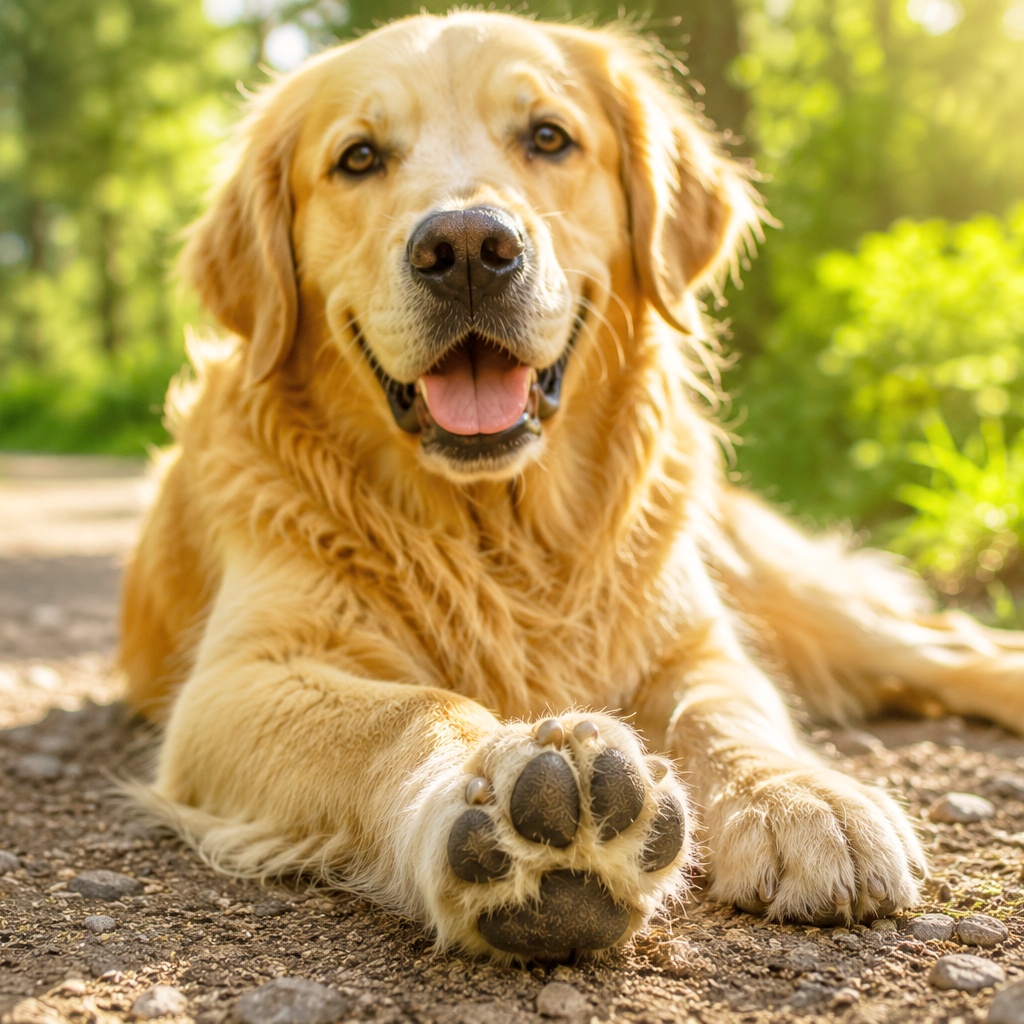
Dog paw care is essential because it’s an important part of the body. Dog paws are hard and skate along ice, run over rocks, and cope with warm weather and challenging outdoor conditions. Dog paws suffer from injuries during hunting and diverse challenges. So, paw injury prevention is not a passive process; it’s a continuous process. The time and effort you invest in strengthening your hunting dog’s paws will pay off throughout the hunting season.
If you want your dog to make the best progress through the thick of hunting season, their feet must be capable and ready to handle uphill miles, varied terrain, and diverse weather conditions. Read our informational guide about dog paw care, which is specially designed by the dog daycare experts. In this guide, everything is explained, from dog paw care to its problems and solutions.
How to Care for Your Dog’s Paws
To protect the health of your dog’s paws and keep your pup comfortable and Shielded from pain when they move. There are some vital tips for pet owner to ensure their dog’s paw safety.
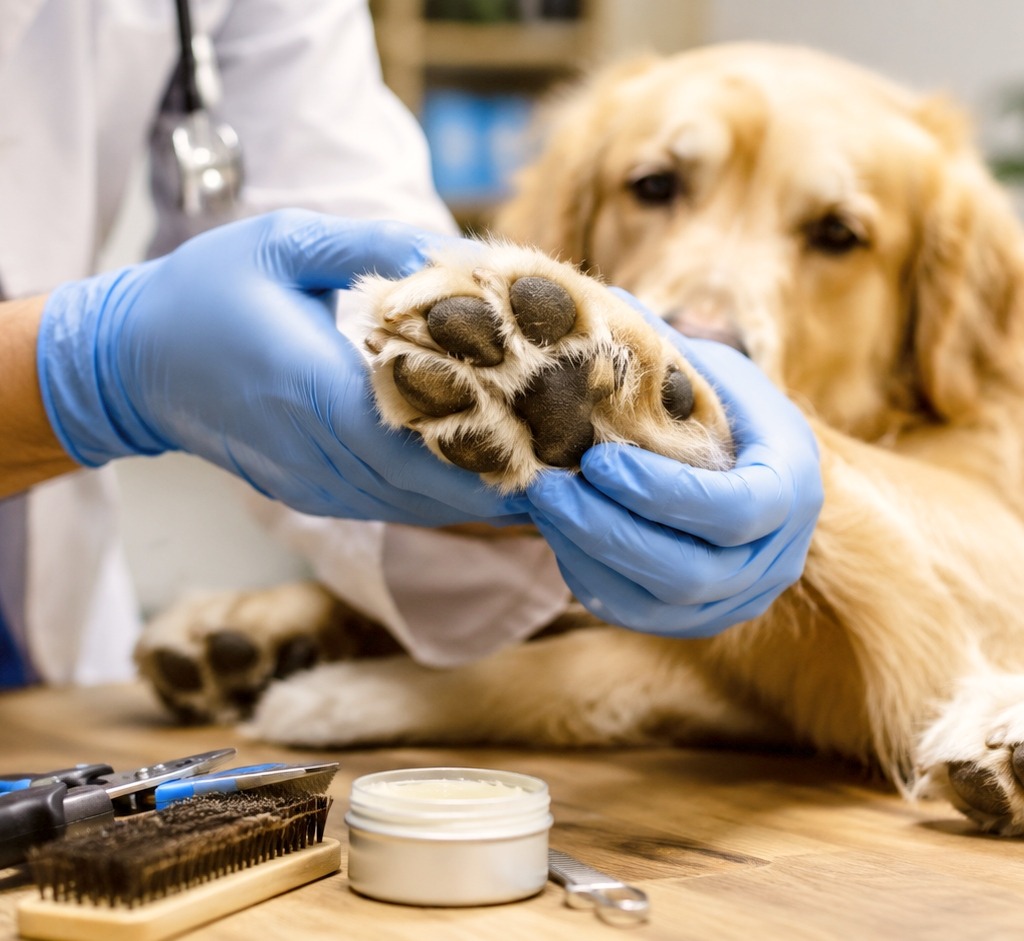
Check & Clean Paws for dog paw care
During travels, foreign objects such as pebbles, weeds, thorns, broken glass pieces, etc., can damage dog paws. Try to check your dog’s paws regularly, especially after being outdoors, and use tweezers to remove any debris.
First wash your dog’s paws as early as possible after they come in from outside. In winter, this will also remove any de-icing products that lodge between the dog’s toes or around the paw pads. Then soak a cloth in hot water and give a gentle massage that can help loosen any ice build-up.
Dog paw boots are the best option, especially during the winter, as they protect paws from freezing temperatures and icy surfaces.
Keep Your Dog’s Nails Trimmed
Dogs’ nails need trimming regularly, and the fur around the paws must be groomed and clipped as required. Long nails on a dog can injure dog paws and lead to issues during walking or running and are also prone to prone to break the nails, which is painful for your pet. Your dog’s nails must be short so they don’t touch the surface when they are standing. If your dog resists nail trimming, in this condition, contact your vet or take your dog to a groomer for bathing and nail trims.
Moisturize for dog paw care
Dry paw pads are not safe for your dog because they can cause cracks and bleeding. The most important thing is to moisturize your pup’s paws because it can help smooth damaged skin. Be sure to use only moisturizers that are meant for dogs, and check with your veterinarian to find out which products are best for your canine companion.
Use First Aid for dog paw care
If your dog’s paws get a minor cut, don’t wait for it to heal on its own. Immediately clean with some antibacterial solution. Then apply an Antimicrobial cream, and then cover with a bandage. But after that, deep cuts must be examined by a veterinarian because they increase the risk of a lot of problems, such as tendon damage and infection.
Protecting Your Dog’s Paws in Every Season
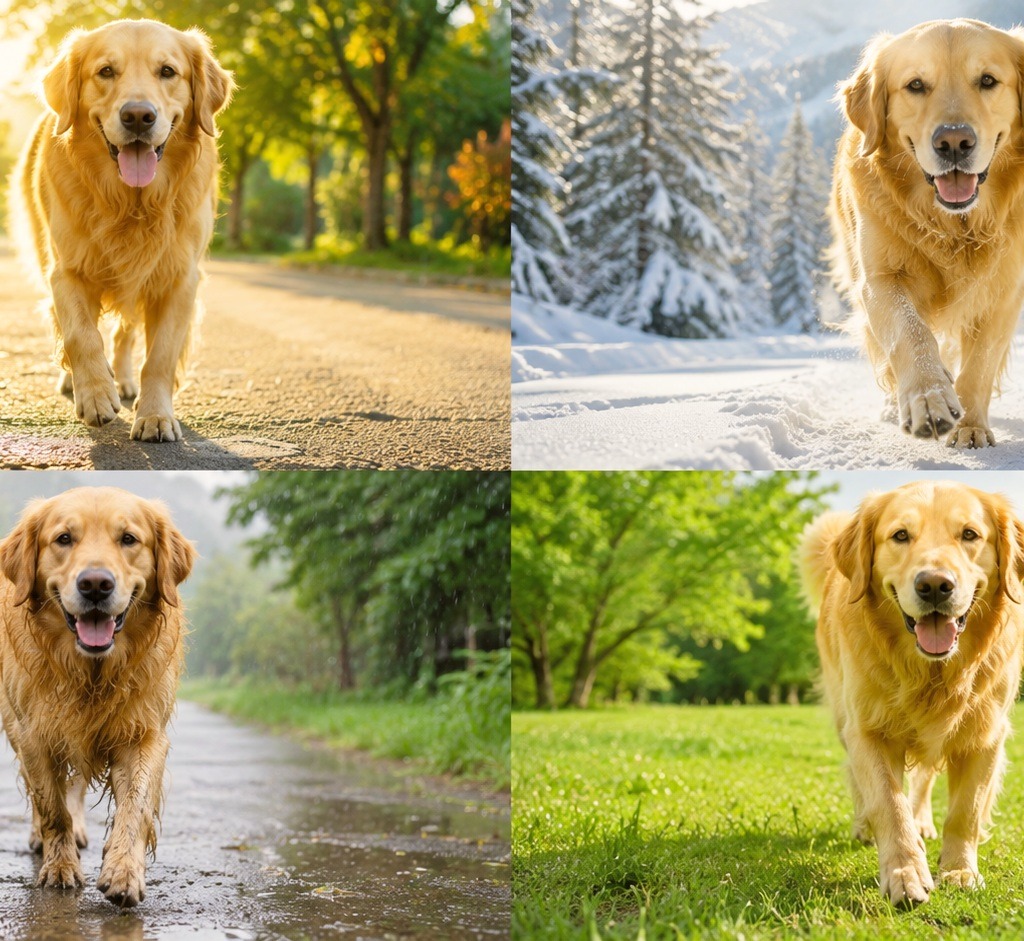
Summer
Summer may be snow-free, but it still poses some potential hazards to a dog’s paws. Hot sand and even hotter asphalt can damage your dog’s paws. If you would not stand there barefoot for more than a few seconds, avoid walking your dog on those hot surfaces. Morning or early evening walks are best. Check your dog’s paws regularly for cracks, blisters, or punctures, especially after long walks. If the cuts or cracks are small, they can be treated with antibacterial soap and a pad balm made for dogs.
If your dog spends time in the open fields, watch for foxtails. They can get lodged between the paw pads and, if left untreated, can cause infection. If the area is red or swollen, get your dog to the vet as soon as possible.
Winter
Avoid having your dog walk on places that have been treated with de-icer or salt, because they can scorch their paws. Be careful, and you must keep an eye on your dog’s paw to build up na ice between their paws. If your dog does get frozen paw pads, you should remove them by wrapping the pads in a warm cloth for some time. This helps to melt the lodged ice from their paw pads. If you want your dog to enjoy hikes and walks in the winter season, you have to follow some preventive measures such as Daily paw inspections, strengthening paw pads, Protective boots, paw wax, or balm.
Rainy season paw care
Wet weather means wet, muddy, and uncomfortable paws for your dog. After each walk, gently clean the paws and dry well, especially between the toes where moisture can be trapped. Allow yourself a few moments to check for small cuts, stones, or other debris wedged between the paw pads. Fur around the paws should be kept neatly trimmed to minimise mud build-up and to make cleaning easier. Keep the paw pads healthy by applying a dog-safe paw balm if they become dry or cracked. Dog boots can give extra protection in heavy rain or muddy walks. If you see redness, swelling, excessive licking, or limping, call your veterinarian.
Complete Dog Paw Inspection Checklist
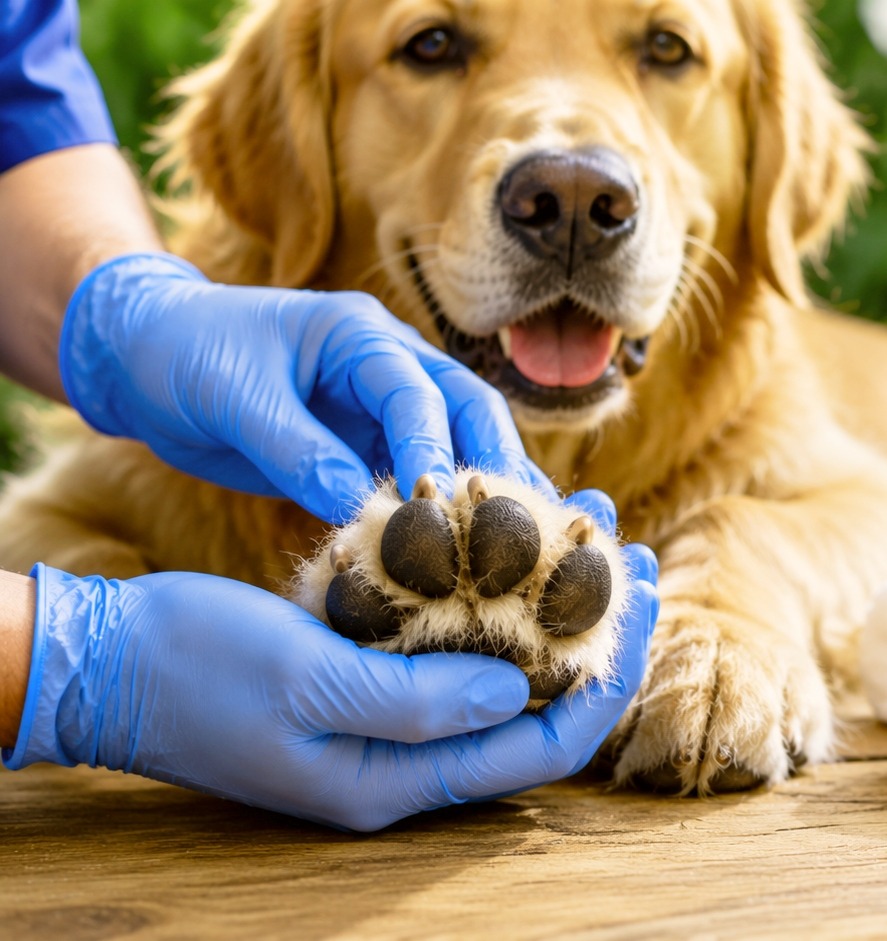
| Inspection Area | What to Check | Healthy Signs | Warning Signs | When to Inspect |
| Paw Pads | Check each paw pad. | Smooth, firm, and crack-free. | Cuts, burns, blisters, swelling, or cracks. | Before and after long walks. |
| Between the Toes | Look for dirt or debris. | Clean and dry. | Redness, swelling, odor, or foreign objects. | After walks on grass, mud, or sand. |
| Nails & Fur | Check nails and paw fur. | Short nails and trimmed fur. | Broken nails, matted fur, or trapped debris. | Every 2–4 weeks. |
| Walking & Behavior | Observe your dog’s movement. | Walks normally without discomfort. | Limping, excessive licking, or avoiding one paw. | During daily walks or playtime. |
FAQs
How do I take care of my dog’s paws?
- Clean paws regularly.
- Trim the nails.
- Moisturize dry paw pads.
- Check for cuts or debris.
- Protect paws from extreme weather.
What is the 7-7-7 rule for dogs?
- Meet 7 new people.
- Visit 7 new places.
- Experience 7 new activities.
Should I put anything on my dog’s paws?
- Use a dog-safe paw balm.
- Apply paw wax when needed.
- Avoid human moisturizers.
What is the best treatment for dog paws?
- Clean the affected paw.
- Remove any debris.
- Apply a dog-safe antiseptic or paw balm.
- Visit a veterinarian for deep wounds or infections.
Conclusion
Looking after your dog’s paws should not be hard. This guide has taken you through daily paw care and nail trimming, seasonal protection, first aid, and regular paw checks. With these simple tips, you can help prevent common paw injuries and infections before they become serious problems.
