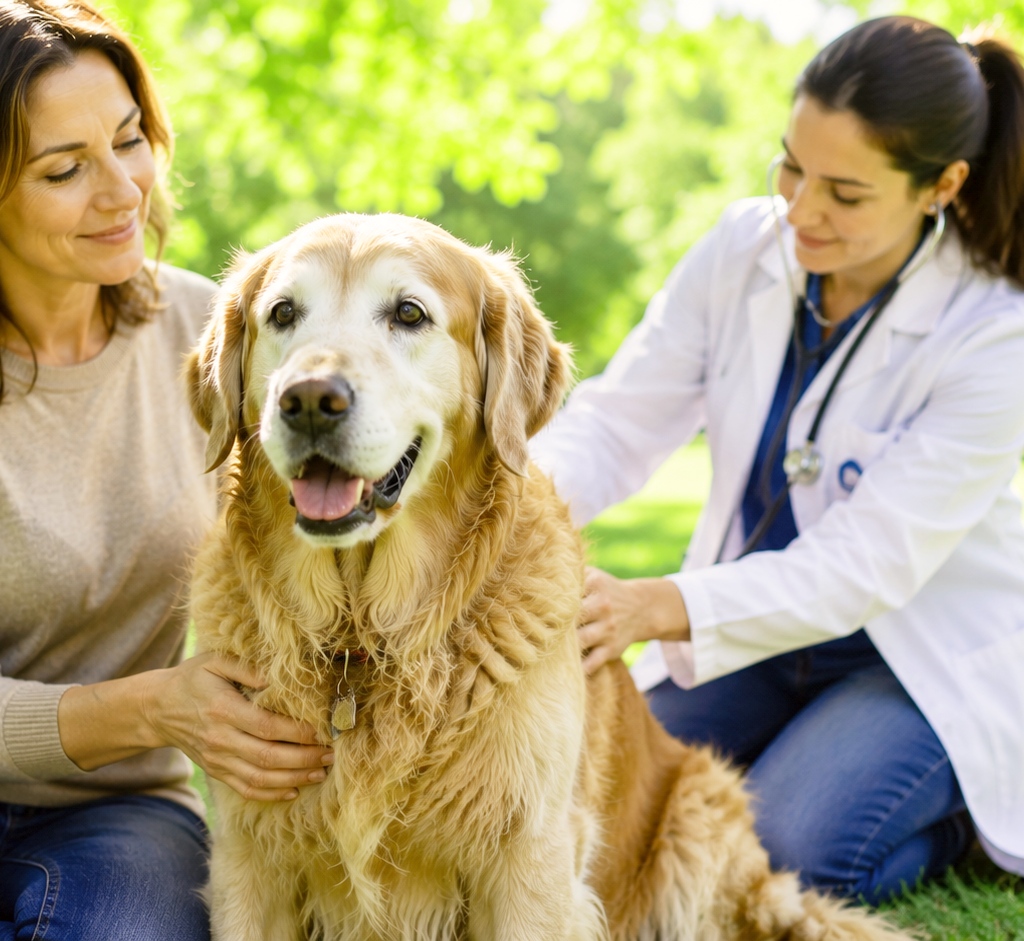
The average age of dogs is about 12 years; some live longer. There is no specific age to consider a dog senior because their senior status starts when they complete about 75 percent of their average lifespan. As dogs enter their older years, the aging process may affect organ systems, so extra health and care considerations become important. There is no Ideal method for the care of older pets. Every dog suffers from different situations, so regular vet checks are important as your pet grows older to detect problems. It helps prevent disease, gives a healthy life, and slows the aging process. The experts at dogdaycare explain this guide, which helps you care for a senior dog and manage their aging process.
Senior Dog Health
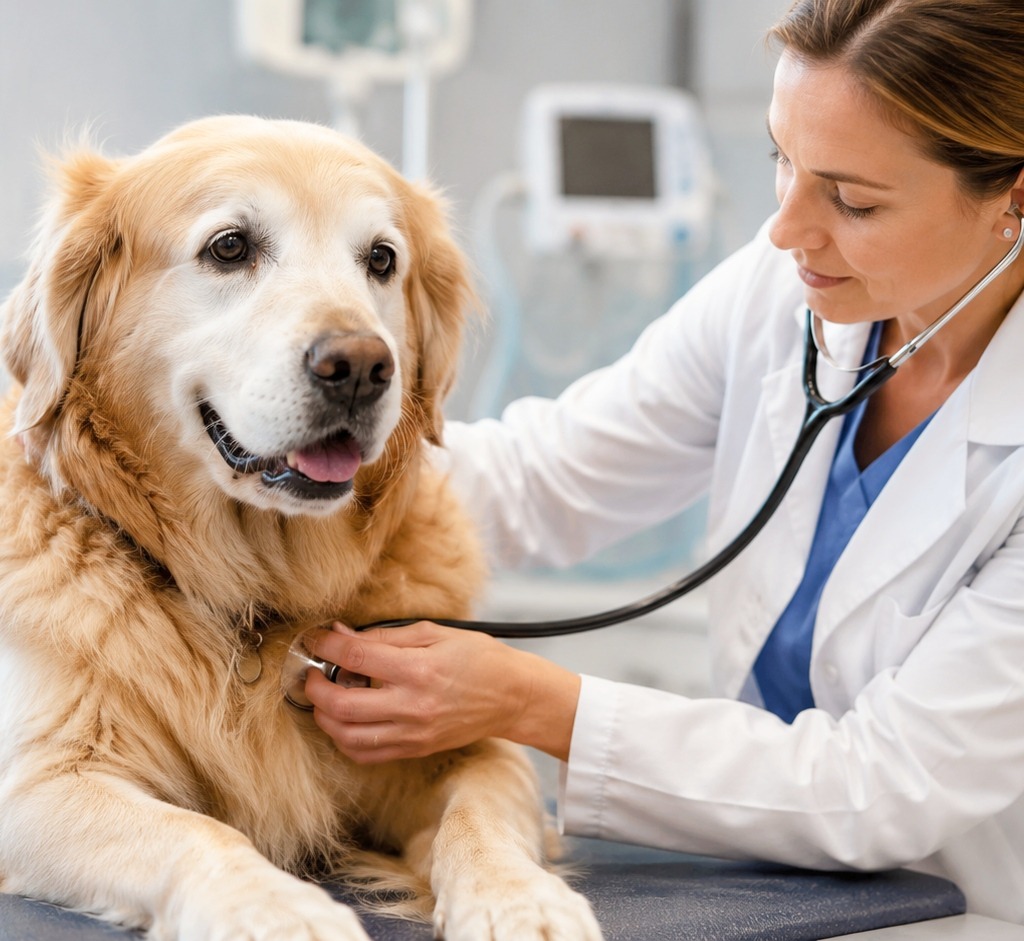
Regular veterinary checkups are necessary for senior dogs because health status can change rapidly; a veterinarian assesses your pet every six months. Dogs that use medications may require more consistent monitoring every three months to ensure no side effects develop from prolonged medication use. If it occurs, your veterinarian must manage the dosage or switch medicine to resolve the problem. As your dog grows older, the risk of various health issues increases. There are some common health issues that owners must be aware of in dogs.
Cancer
Cancer is common in senior dogs, simply because the older a dog gets, the more likely it is that some cells grow abnormally. Tumours may be benign or malignant and arise in many different organs and tissues. Signs may include weight loss without explanation, lumps, loss of appetite, sores that don’t heal, or lameness. Regular veterinary checkups help improve treatment options and quality of life by diagnosing problems early.
Heart disease
Heart disease is common in older dogs, and it affects the heart’s ability to pump blood efficiently. It is a disease that develops slowly, and sometimes without any symptoms in its early stages. As it progresses, the dog may cough, tire easily, breathe rapidly, or faint.
Liver and kidney disease
As we age, the liver and kidneys naturally become less efficient, making us more prone to chronic disease. Kidney disease usually causes increased thirst, urinating more often, and weight loss, and liver disease can lead to vomiting, poor appetite, or jaundice. Blood tests and urinalysis allow veterinarians to identify these conditions before permanent damage is done.
Obesity
When a dog eats more calories than it burns off, it gets fat. As metabolism slows and activity levels typically drop with age, senior dogs are especially vulnerable. Excess body weight puts extra stress on joints, heart, and other organs, which raises the risk of several chronic diseases. A balanced diet and daily exercise maintain a healthy weight.
Blindness
Many older dogs become blind due to cataracts, glaucoma, or age-related diseases of the retina.
Hearing loss
A person can develop age-related hearing loss as the inner ear slowly breaks down. Senior dogs may sleep more soundly, ignore commands, or be easily startled.
Senior Dog Care Tips
Weight: Check your dog’s weight on the same scale every 2 months because weight variation may be a primary indicator of disease.
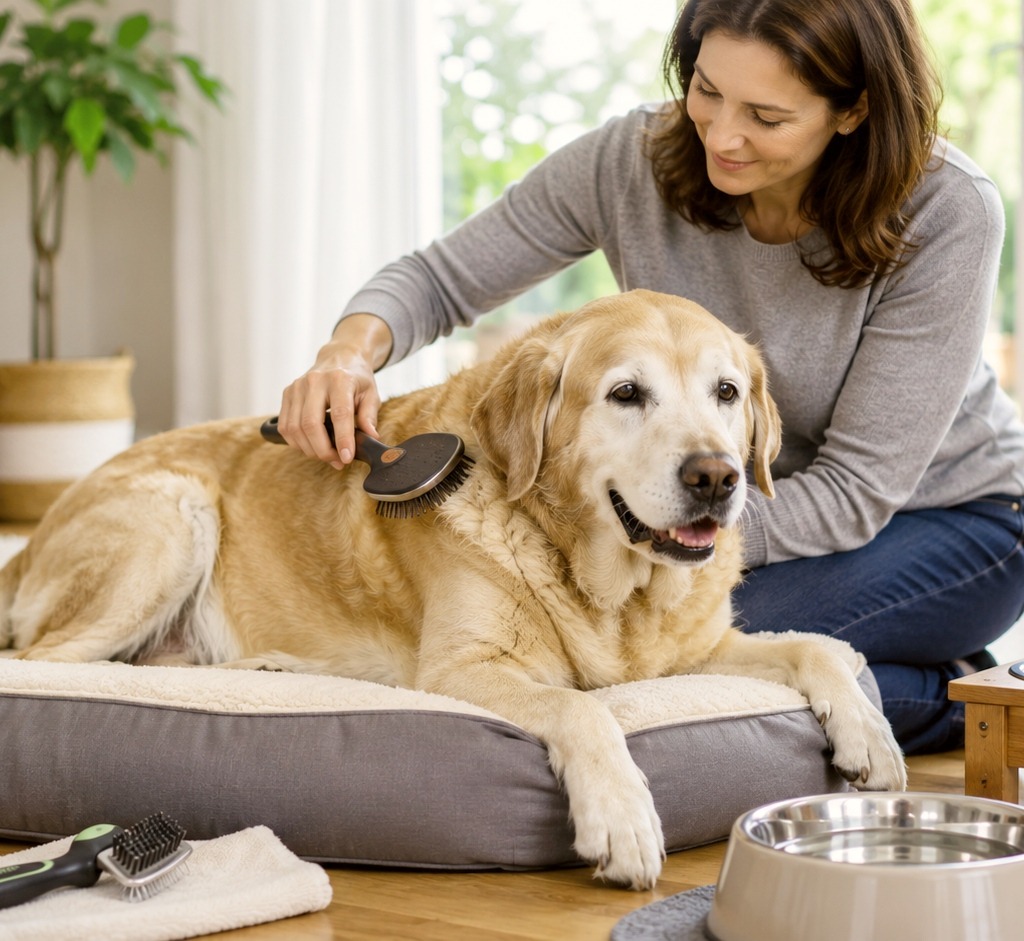
Brush your pet: The owner should brush the dog regularly to prevent mats, because this can cause skin infections and skin tumors.
Clip toenails. Long toenails cause discomfort for the dog during standing and walking.
Care of dog’s oral health. Gum disease is common in senior dogs and can cause organ damage from long-term bacterial inflammation. Take guidance from your veterinarian to make the best routine for your pet. For oral health, brushing, dental water supplements, and professional teeth cleaning with a full oral assessment are required.
Provide plenty of fresh water. Increased water intake or excess urination may be associated with diabetes, liver and kidney disease. The owner should ensure water bowls on every floor of the home so water is easily available for your dog.
Feed your senior dog high-quality food. Your vet can choose the best food for your dog. The owner should ensure that other pets do not prevent your senior dog from reaching their food bowls. Raise food and water bowls to reduce stress on your dog’s joints.
Keep your senior dog indoors: You should keep your senior dog indoors and prevent them from outdoor activities during extreme weather conditions.
Provide a comfortable bed. You should provide your senior dog with a comfortable, warm bed to sleep safely without any distraction.
Maintain a close relationship with your vet. Visit your vet to discuss what vitality tests are best for your dog, including urine and blood testing, as well as diagnostic imaging of the abdomen and chest. Although these tests are not enough for all diseases, early detection of chronic diseases such as kidney disease, thyroid disease, diabetes, and cancer can help your senior dog receive timely treatment and enjoy a better life.
Discuss vaccinations. Talk to your vet about which vaccination is better for your senior dog’s safety and security. The reason for this consultation is that your senior dog has a low ability and a weak immune system to fight disease and infection.
Senior Dog Care Nutrition

| Nutrient | Benefits for Senior Dogs | Best Sources |
| High-Quality Protein | Maintains muscle mass and strength. | Chicken, turkey, fish, eggs |
| Omega-3 Fatty Acids | Supports joint, brain, heart, and skin health. | Salmon, sardines, fish oil |
| Fiber | Aids digestion and helps maintain a healthy weight. | Pumpkin, sweet potato, oats |
| Calcium & Phosphorus | Strengthens bones and teeth. | Complete senior dog food |
| Glucosamine & Chondroitin | Supports healthy joints and cartilage. | Joint supplements, green-lipped mussels |
| Antioxidants | Support immunity and reduce oxidative stress. | Blueberries, carrots, spinach |
| Water | Prevents dehydration and supports organ function. | Fresh, clean water |
Importance of Exercise for Senior Dogs
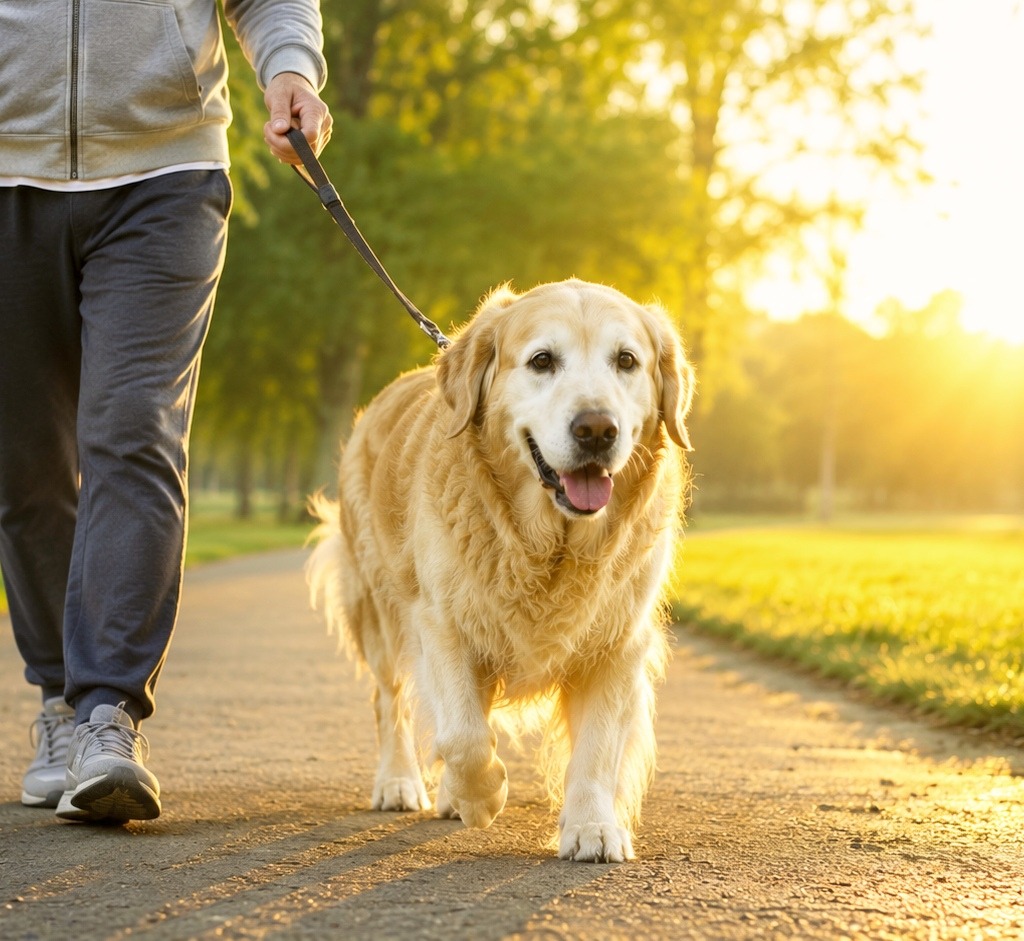
Calories: It also lowers the chance of your dog suffering from weight-related health issues and keeps your dog active and fit.
Preserves Muscle Strength: As dogs age, they tend to lose muscle strength, which is a natural thing. Everyday activity helps to keep the muscles toned, aids easier movement, and keeps your dog mobile for longer.
Supports Healthy Joints: – Low-impact activities like walking or light play keep the joints moving easily and comfortably. Movement also helps with lubrication of the joints, which helps dogs, especially those with arthritis, move with less stiffness.
Supports Heart Health: Regular walks and other gentle activity will help keep your dog’s heart healthy. They increase circulation and build stamina; over time, they help build a stronger cardiovascular system.
Keeps the Mind Active: Exercise is not only good for the body. It also gives your dog something to explore and enjoy, preventing boredom and keeping the brain busy. Keeping the mind active may also protect against some age-related cognitive changes.
Improves Balance and Coordination: Regular movement helps senior dogs remain steady on their feet. It increases flexibility, balance, and coordination, which means you are less likely to slip and fall.
Promotes Healthy Digestion: Regular exercise helps the digestive system work well. It might help with digestion and prevent constipation, especially for senior dogs that spend more time resting.
FAQs
Why does my dog cry when he gets up after lying down for a while?
- Arthritis or joint pain
- Muscle stiffness
- Hip dysplasia or spinal problems
How do I give my senior dog the best life?
- Feed a balanced senior diet
- Provide regular low-impact exercise
- Schedule routine veterinary checkups
- Offer mental enrichment
- Maintain good dental care
- Create a safe environment
Will a dog eat if he is in pain?
- Some dogs continue eating despite being in pain.
- Others may lose their appetite.
- Eating habits should be discussed with a vet.
What not to do with a senior dog?
- Do not overexercise.
- Do not skip routine veterinary visits.
- Do not ignore signs of pain or illness.
- Do not make sudden dietary changes.
- Do not allow excessive weight gain.
Conclusion
In this guide to senior dog care, our expert team provides information to owners for the safety and longevity of your beloved pet. If you read this guide carefully, you will know about senior dog disease, their necessary nutrition, and other life activities that are essential for every pet. So owners should follow the key steps and visit the vet for their loyal friend. For more guides and information about dog care and health, check our other blogs, and our team ensures that this will give you great help.
