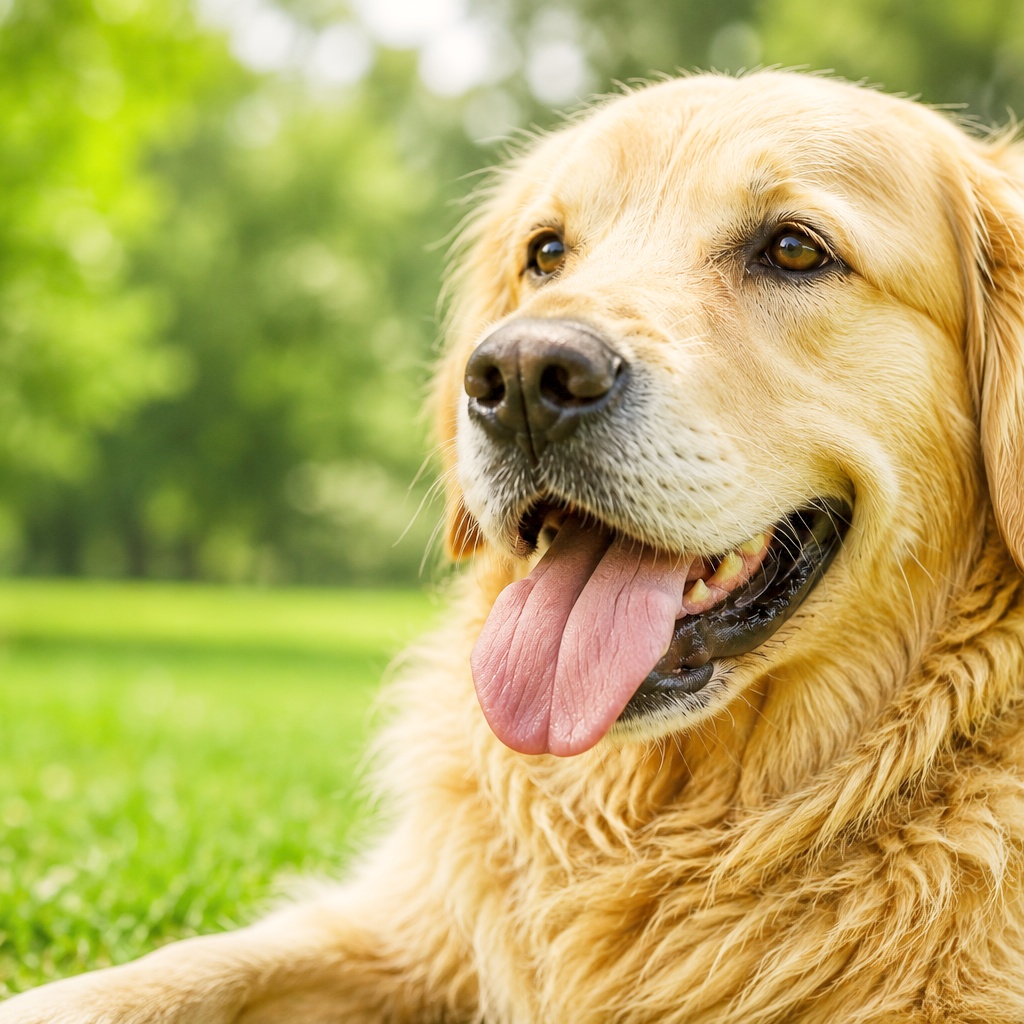
Ever ask yourself, “Why does my dog pant? Panting in dogs is a natural way for dogs to cool themselves, but sometimes it can indicate an underlying health concern that requires immediate attention. Knowing the difference between normal breathing and Excessive panting in dogs will allow you to react with confidence instead of anxiety.
Many things can affect your dog’s breathing, from warm weather and excitement to pain and serious illness. In this guide, you will learn the most common causes, how to recognise normal dog panting, warning signs of Heatstroke in dogs, and when professional veterinary care is the safest option for your beloved companion.
Understanding Why Dogs Pant

Panting is all part of a dog’s life. It helps keep your dog cool when the weather is too hot, after working out, or when he gets excited. Understanding how this process works allows you to identify changes that might require attention.
Some things that dictate how often a dog pants. Weather, breed, age, body condition, and activity level can affect breathing patterns. It is much easier to see any unusual changes if you know what your dog usually does, and this will help keep your Dog healthy.
Normal Dog Panting in
Healthy dogs will often pant after playtime, a walk, or spending time outdoors. Your dog’s usual panting should slow down within a few minutes of resting and drinking water. Your pet should be bright, comfortable, and responsive without Laboured breathing or obvious distress.
Dog Panting Regulates Body Temperature
Dogs have very few sweat glands and depend on a remarkable Cooling mechanism. Oral breathing also helps to control body temperature. Air flowing quickly through the mouth and respiratory tract evaporates moisture. Proper hydration for dogs and fresh drinking water are key to keeping this cooling system working efficiently.
Causes of Dog Panting
Most of the time, however, panting is caused by benign things. Breathing naturally increases for short periods during everyday activities and emotions. Often the environment your dog is in and what it has been doing lately will give you clues as to why it is panting.
But the breathing must be right for the occasion. If a dog is resting in a cool room, he shouldn’t be constantly panting. If the breathing looks funny, it deserves a closer look.
Natural and Everyday Causes
Panting with excitement or stress is often due to hot weather, exercise, excitement, travelling, or meeting visitors. They tend to disappear when your dog settles down and cools off. Older dogs, overweight pets, and flat-faced breeds may also pant more because breathing takes more effort.
Health-Related Causes
In some medical problems, your dog may continue panting when you are not exercising. Pain in dogs, fever, medication side effects, and some steroid medications can cause unexpected increases in breathing. Other more serious conditions can also affect normal breathing, including Heart disease, Lung disease, Respiratory problems, and Cushing’s disease in dogs. Early detection is key to timely treatment and increases your dog’s chance of a healthy recovery.
When Dog Panting Becomes a Medical Emergency
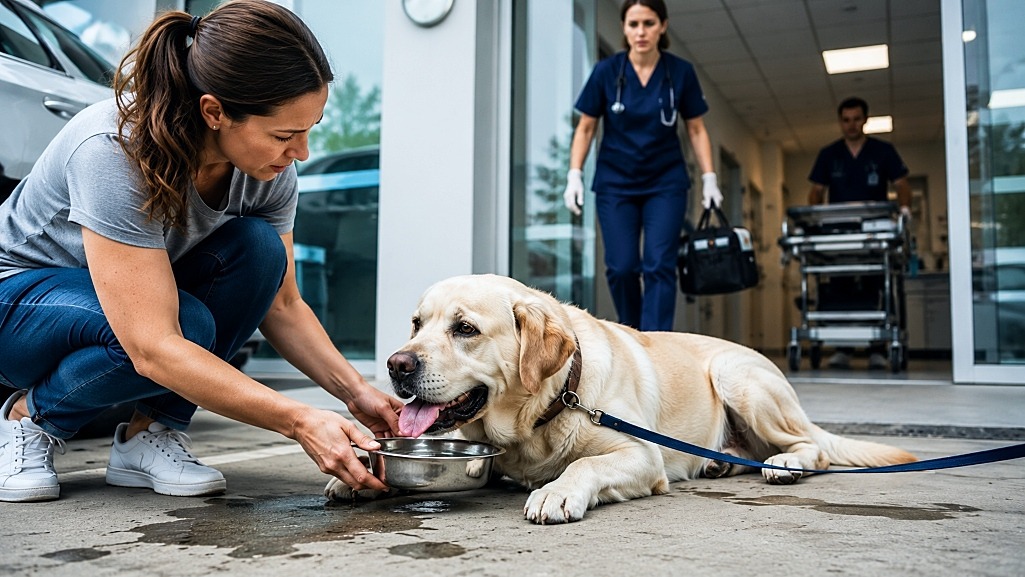
Sometimes panting is more than a harmless response—it can be a warning signal. If your dog is struggling to breathe, has passed out, or is unresponsive, every minute matters. Severe Heatstroke in dogs, poisoning, or chest injuries can rapidly lower oxygen levels and endanger vital organs.
Another danger is when breathing gets noisy or unusually forceful for no clear reason. Never ignore a dog breathing heavily, blue or pale gums, confusion, or other signs of Heat-related illness. If an emergency happens, you want your dog to have the best possible chance of a full recovery.
How to Tell If Your Dog’s Panting Is Normal or Abnormal
Sometimes you can tell more about your dog’s overall state from its general condition than from the number of breaths alone. Observe posture, energy, appetite, and behaviour as a whole. Most happy dogs will recover on their own, but abnormal panting is often seen with other abnormal signs that need attention.
Also, keeping a simple record can help. Please note down when the panting starts, how long it lasts, and whether it is inside or outside. This information helps your vet make an accurate Veterinary diagnosis and find possible triggers more efficiently.
Signs That Your Dog Needs Immediate Veterinary Care
Some symptoms require immediate attention. If you see panting at rest, panting during sleep, collapse, vomiting, weakness, persistent coughing, swollen abdomen, trembling, or obvious Breathing difficulties, contact your veterinarian. These Signs of illness in dogs may be signs of a serious condition that needs to be seen to urgently.
Normal Panting vs. Excessive Panting
The comparison below makes it easier to recognise when breathing has moved beyond a normal response.
| Normal Dog Panting | Excessive Dog Panting |
| Settles after rest | Continues without relief |
| Dog stays active | Dog appears weak or distressed |
| Follows activity or warmth | Starts unexpectedly |
| Quiet, steady breathing | Loud or strained breathing |
| Normal gum colour | Pale, blue, or bright red gums |
What You Should Do If Your Dog Won’t Stop Panting
Your first task is to make a calm environment. Take your dog immediately to a shaded or air-conditioned area and lower excitement. If there is a risk of overheating, begin giving cool, not icy, water and encourage slow drinking. It provides a safer recovery and puts no additional stress on you.
Watch your dog closely for changes in condition over the next few minutes. Questions like “Why is my dog panting?”, “Dog panting but not hot”, “Dog panting after medication”, “Dog panting from pain”, “Dog panting from anxiety”, or “Dog panting and shaking” all need different answers. Never use human medicines or delay getting professional advice, as early treatment often avoids more serious complications. If breathing gets worse instead of better, don’t wait to take your dog to the nearest veterinary clinic.
When Should You Visit a Veterinarian?
Not every change in breathing is an emergency, but some things can’t wait. If your dog pants for hours, doesn’t eat, seems tired, or has other abnormal dog signs, go to the vet immediately. Dog diseases. Early assessment can often prevent small problems from becoming more serious.
“Go with your gut feeling; you know your pet better than anyone. If you see your dog panting all the time, breathing fast, panting and not eating, or panting at night, why is my senior dog panting? The safest option is professional help. A timely appointment can provide reassurance or uncover hidden health concerns before they develop.
How Vets Diagnose the Cause of Excessive Panting
Finding the cause of the problem starts with a history and physical exam of your pet. Depending on the status of your dog, the vet may advise blood work, urinalysis, chest X-ray, ultrasound, cardiac evaluation, or even oxygen testing. These will help determine the underlying Medical causes of dog panting and find the best treatment.
Common Treatment Options
However, treatment always relies on the underlying cause of panting, not the panting itself. While some dogs will respond to rest and fluid therapy alone, other dogs may need oxygen therapy, hospitalization, or even surgery. Adhering to the Dog treatment recommendations and returning for follow-ups will significantly improve recovery and Pet health.
Tips to Prevent Excessive Panting in Dogs
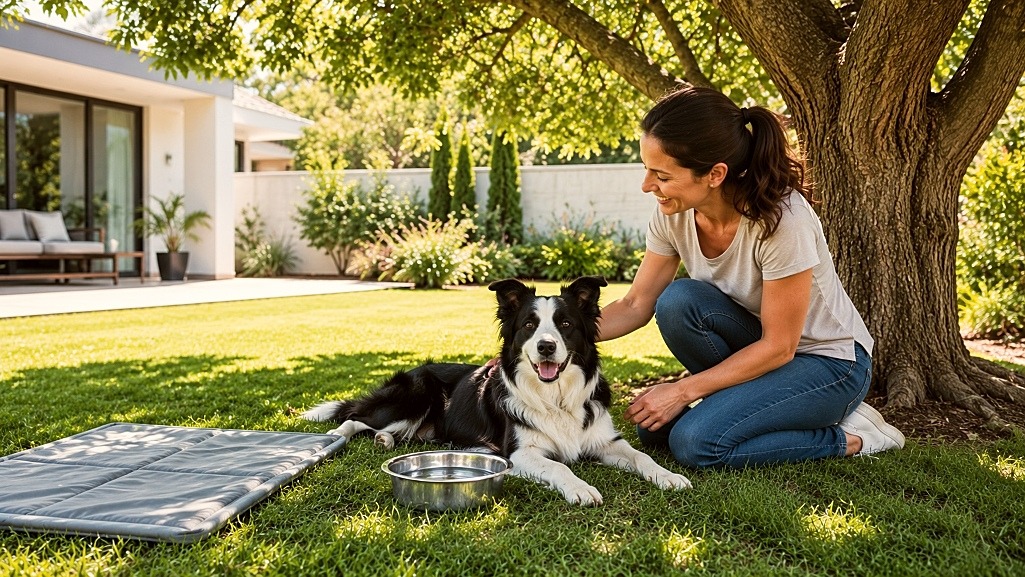
The foundation of prevention is good daily habits. Fresh water, a balanced diet, regular Dog exercise, and maintaining an ideal weight all contribute to your Canine’s health throughout their lifetime. Schedule walks for cooler times of day in warm weather, and never leave your dog in a parked vehicle, even for a short time. Routine wellness care also makes a big difference.
Regular checkups give your veterinarian the chance to catch developing illnesses before symptoms appear. Good Dog care, caring Pet care, and consistent Dog wellness practices help prevent problems while supporting a happier, more active companion.
Simple lifestyle choices can keep your dog safe every day. Comfortable bedding, a well-ventilated home, stress reduction, and proper grooming all result in better Canine behaviour and healthier breathing.
These small efforts also improve Summer dog care, support Dog hydration, and reduce the risk of avoidable Dog emergencies throughout the year.
FAQs:
How do I help my dog when panting?
- Move your dog to a cool, shaded, or air-conditioned area.
- Offer fresh, clean drinking water.
- Let your dog rest and avoid exercise.
- Use a cooling mat or damp towel if your dog feels hot.
- Watch for warning signs like weakness, vomiting, or difficulty breathing.
- Contact your veterinarian if the panting doesn’t improve or becomes severe.
What can I give my dog for panting home remedies?
- Provide plenty of fresh water to prevent dehydration.
- Keep your dog in a cool, quiet environment.
- Place a fan nearby or use a cooling mat.
- Offer small amounts of water instead of forcing large drinks.
- Never give human medications unless your veterinarian recommends them.
- Seek veterinary care if panting continues without an obvious cause.
What diseases cause excessive panting?
- Heart disease
- Lung disease
- Cushing’s disease
- Pneumonia and other respiratory infections
- Fever or severe infections
- Anemia
- Chronic pain or injury
- Heatstroke
- Certain cancers
- Medication side effects, especially steroids
Can dogs drink water if they’re panting?
- Yes, dogs should drink water while panting.
- Offer cool, fresh water in small amounts.
- Avoid ice-cold water if your dog is overheated.
- Encourage slow drinking to prevent stomach upset.
- If your dog refuses water or cannot stop panting, contact your veterinarian immediately.
Conclusion
Knowing why your dog is panting can help keep it healthy before things get out of hand. Excessive panting in dogs: Normal dog panting is to be expected; Heatstroke in dogs. Never forget respiratory problems and breathing difficulties. Prompt veterinary attention and careful observation will keep your loyal companion healthier, safer, and happier.
