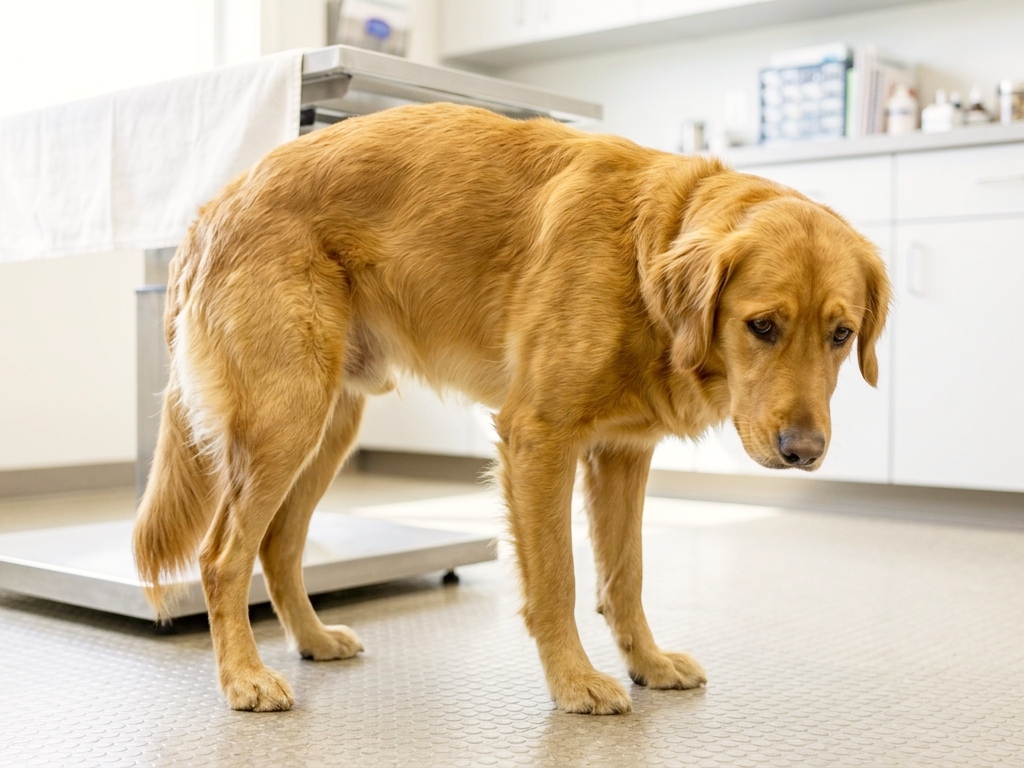
You are noticing that your dog’s stool is firm or dry, and it contains mucus when you pick up their poop. Maybe your dog has not had a bowel movement in 48 hours or more. If you see these circumstances are true, your pet is almost certainly suffering from constipation. Many symptoms appear in dogs during constipation. Dogs will cry, squat, or strain when attempting to defecate. The owner might notice string, grass, or clumps of dried feces around your dog’s anal area. Here the question arises: what is constipation actually?
Constipation is the Occasional or difficult passage of feces or stool and is typically a Short-term condition. In constipation, feces accumulate in the large intestine. Many dogs that suffer constipation experience discomfort or difficulty while attempting to defecate. Constipation is a temporary condition, but obstipation is a severe form of constipation, which is associated with a severe, long-term, or irreversible health condition.
The major function of the large intestine is water absorption, but retained stool becomes dry and hard. Some dogs pass small amounts of liquid stool or blood due to their frequent straining. Sometimes, liquid stool may look like diarrhea, but it is actually a small amount of liquid fecal material that passes around the hard stool mass.
Causes of Dog Constipation
In normal digestion, waste contains water and electrolytes when pushed through the small intestine and into the colon(large intestine) by peristaltic contractions. Water is reabsorbed in the large intestine, and the remaining waste is passed out as a stool.
- Inadequate physical activity
- Low-fiber or unbalanced diet
- Sudden changes in diet
- Insufficient water intake and dehydration
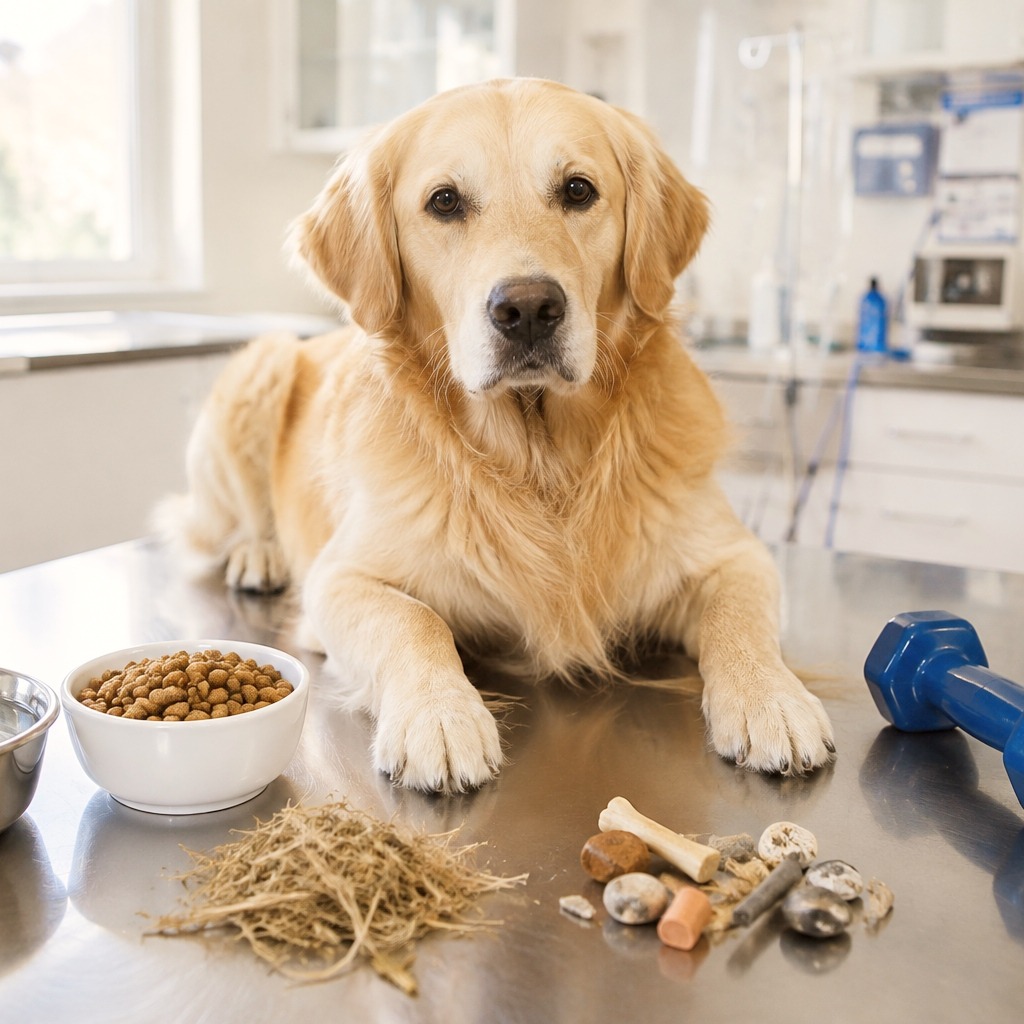
- Swallowing foreign objects such as bones, gravel, garbage, or plant material
- Excessive grooming that causes hair to accumulate in the digestive tract
- Certain medications
- Effects of anesthesia or recent surgery
- Stress, anxiety, or environmental changes
- Anal gland disorders
- An enlarged prostate
- An enlarged colon
- Spinal problems or injuries
- Pelvic trauma or previous pelvic injury
- Kidney-related problems
- Hypothyroidism
- Tumors or other masses
- Previous episodes of constipation
- Age-related changes
What are the signs of Dog constipation?
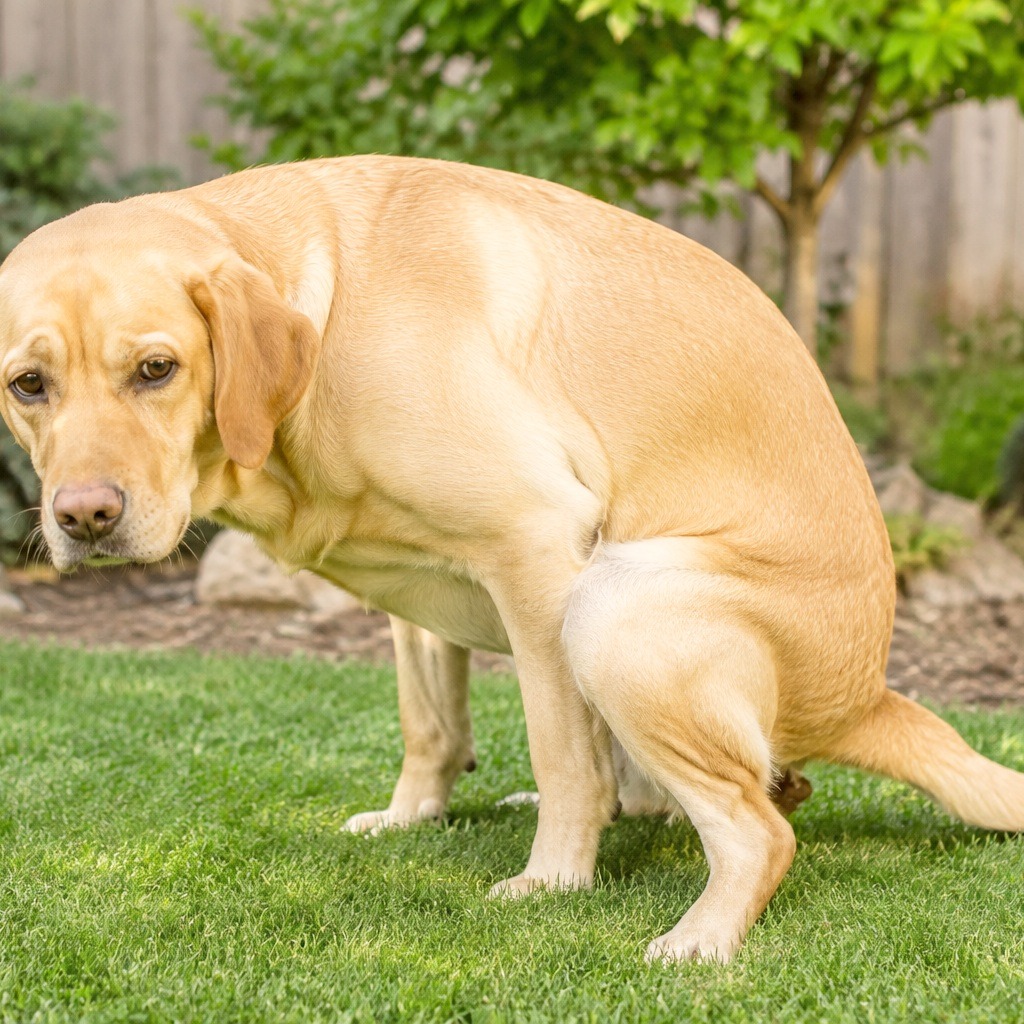
Most pets produce feces once a day and have bowel movements that correspond with daily meals. If your dog suffers from constipation, they will try to pass stools many times unsuccessfully. There are a few symptoms as follows.
- Frequent squatting or repeated attempts to pass stool
- Excessive walking in circles before attempting to defecate
- Scooting or dragging the bottom along the ground
- Passing small amounts of watery stool
- Passing stool containing mucus
- No bowel movement for 48–72 hours
- Crying out while trying to defecate, especially in severe cases
- A tense or painful abdomen
- Crying or vocalizing when the abdomen or lower back is touched
- Loss of appetite
- Vomiting
- Loss of weight
What to do if Your Dog is Constipated
If you notice any of the symptoms of constipation listed above in your dog, please schedule an appointment with your veterinarian. Many of the symptoms associated with constipation may be symptoms of other serious health problems. If your dog has eaten something foreign or if your dog is showing other symptoms like vomiting or weakness, it is an emergency, and you need to get your dog to an emergency vet as soon as possible.
How your constipated dog is treated will depend on what’s causing your pet’s discomfort. Your vet will check your pup for symptoms of the underlying cause. Once the underlying cause of your dog’s constipation is determined, your veterinarian will be able to recommend the best treatment for your individual dog.
Some of the most common treatments for constipation in dogs are: increasing fiber in your dog’s diet, dog laxatives, medication to help the large intestine contract more forcefully, and increasing the amount of exercise your dog gets each day. If your dog ingests these items, life-saving veterinary surgery may be necessary to remove the item and prevent serious blockages and damage to your dog’s digestive tract.
What Happens If Dog Constipation Is Left Untreated?
If left untreated, your dog’s constipation leads they becomes unable to empty their colon on their own (obstipation). Intestinal obstructions caused by the ingestion of foreign objects such as fabric or toys can quickly become fatal.
How is Dog constipation diagnosed?
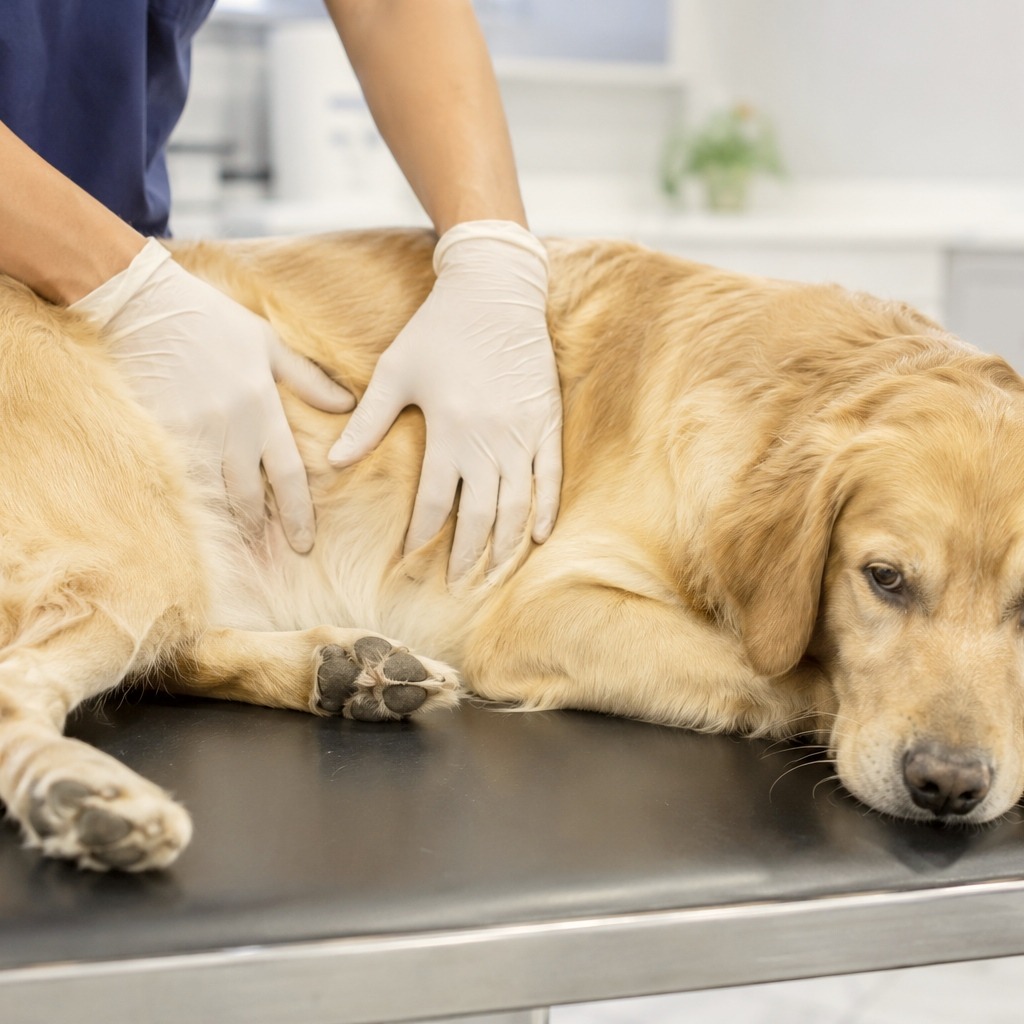
Constipation can be diagnosed with a physical exam and medical history. When your vet palpates your dog’s abdomen, he or she will probably feel a firm, distended colon. They might rectal exam to make sure there are no rectal strictures (narrowing of the exit passage, from a previous problem), tumours, foreign bodies, or other abnormalities.
They will often perform an abdominal X-ray to diagnose constipation. Blood work and urinalysis are useful to check for dehydration, infection, or other conditions that might predispose the dog to constipation. Biopsies are also recommended if a rectal mass or stricture is suspected.
How to Prevent Dog Constipation and Megacolon
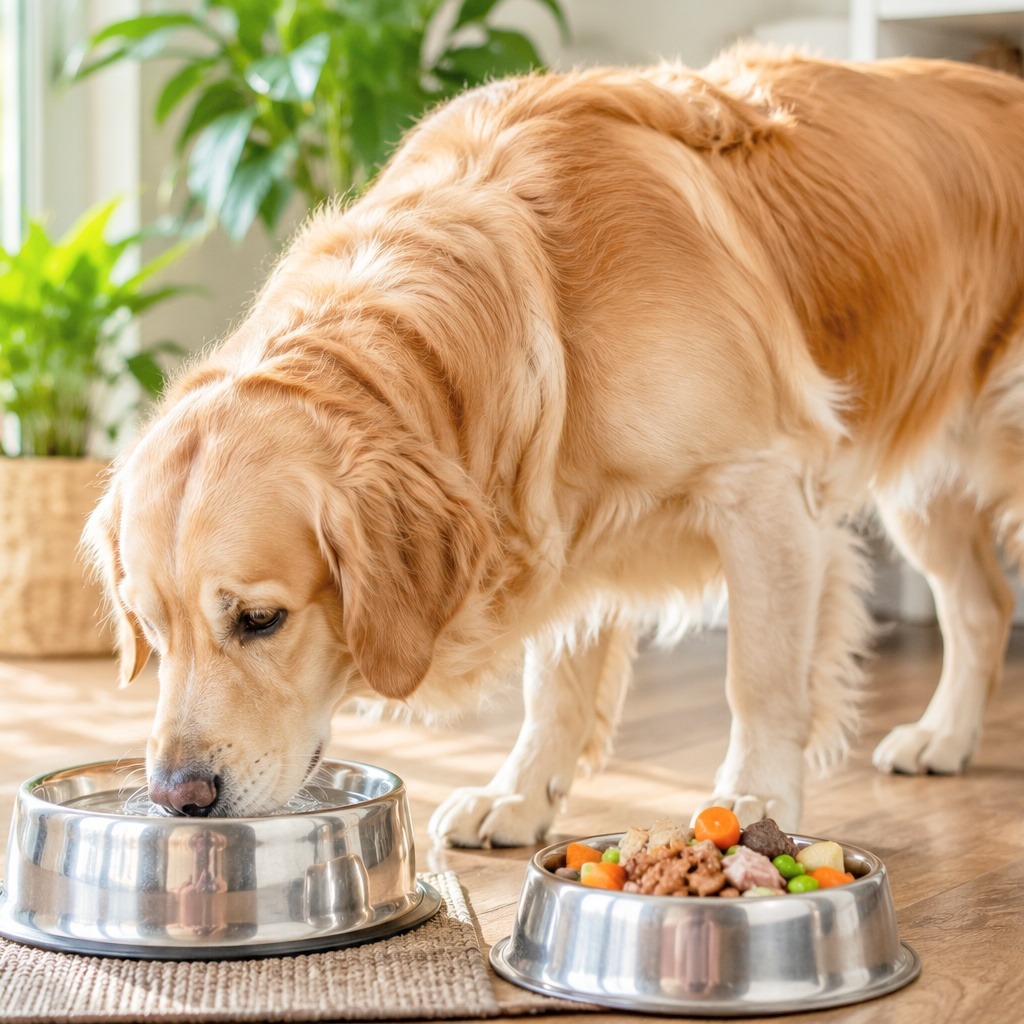
According to Merck Veterinary Manual, you should prevent constipation by providing your dog with plenty of fresh water and a well-balanced diet with sufficient fibre. Adequate hydration helps keep the stool soft, and dietary fibre can help support normal bowel function and stool passage. Dogs should also be given frequent chances to defecate rather than being expected to hold it for long periods. If your dog experiences constipation repeatedly, consult a veterinarian to determine whether an underlying health problem is contributing to the condition.
According to the Merck Veterinary Manual, megacolon, which causes the colon to become greatly enlarged and makes it difficult to pass stool normally, may be associated with long-term constipation or obstipation. Megacolon is much more common in cats than in dogs. The longer feces remain in the colon, the more the colon can stretch and the less’squeeze power’ it has, making stools harder to pass.
Other reasons for chronic constipation can be pelvic abnormalities, spinal or nerve disorders, or intestinal obstruction. If your dog is chronically or repeatedly constipated, a veterinarian should determine the underlying cause so that it can be assisted and the condition does not become serious.
FAQs
How can I relieve my dog’s constipation fast?
- Mild constipation: Water + appropriate fiber
- Severe constipation: Enemas, laxatives, or fecal removal by a vet
- Treatment: Depends on the underlying cause
What food helps dogs poop?
- High-fiber diet: Can support easier stool passage
- Psyllium or pumpkin: May help when recommended by a vet
- Adequate water: Helps prevent hard, dry stool
How do I know if my dog is constipated or has a blockage?
- Constipation: Repeated straining with little or no stool
- Blockage: Vomiting, appetite loss, lethargy, or abdominal pain
- Suspected blockage: Seek veterinary care promptly
How does a dog act when constipated?
- Repeated squatting or straining
- Circling or scooting
- Crying while trying to defecate
- Loss of appetite or abdominal discomfort
Conclusion
The guide Dog Constipation, founded by dog daycare experts, provides reliable and authentic information for pet owners. The information is supported by reputable veterinary references such as the *Merck Veterinary Manual* and **VCA Animal Hospital. If your dog is constipated and can’t stop straining, is vomiting, or shows signs of an obstruction, call your veterinarian immediately. The guide Dog Constipation, found by dog daycare experts to provide reliable and authentic information to pet owners.
