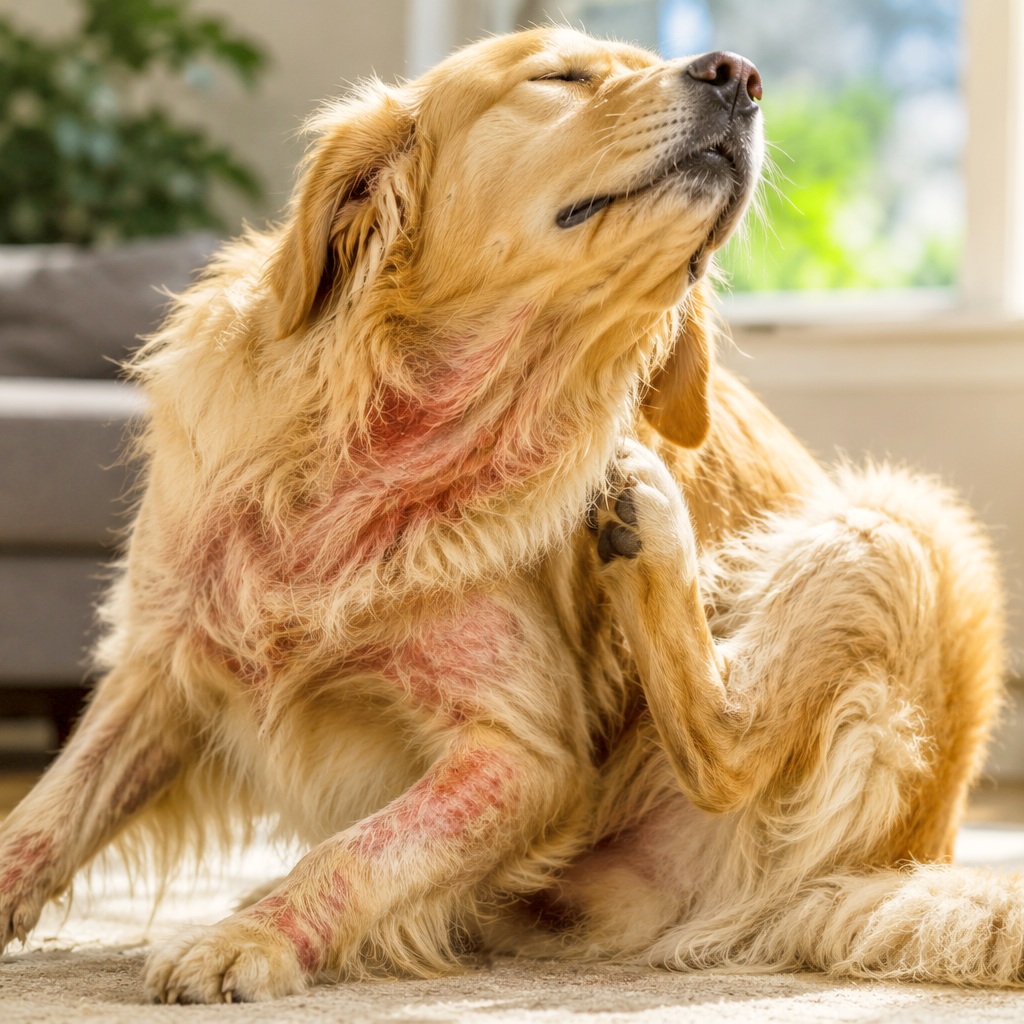
Dog allergies can, without warning, turn a cheerful pet into a miserable scratching machine. One day, your furry friend is okay. The next morning, your couch looks like a snowstorm of fur and flakes went off in it. Many owners do not catch the early signs. But minor symptoms can often worsen into painful skin problems and stubborn infections.
Pet care has come a long way in the last few years. However, dog allergies are among the most common health problems for dogs worldwide. Some dogs react to pollen drifting in the spring air. Others have hidden dog allergies in their everyday food. Finding the causes early can protect your companion from discomfort and long-term illness.
Common Symptoms of Dog Allergies
The first sign is typically incessant scratching. Searching “why is my dog always itching reveals hidden allergies for many owners. The classic signs are persistent licking, rubbing against furniture, and chewing paws. In bad cases, chronic itching in dogs breaks down the skin barrier and paves the way for infection.
You can also develop digestive problems suddenly. Some pets experience vomiting, diarrhea, or excessive gas after eating. Others develop recurrent ear inflammation or watery eyes. Dermatologists say that untreated allergies often lead to secondary skin infections, which can make symptoms worse and worse every month.

Skin and Itching Problems during Dog Allergies
Nothing frustrates owners more than incessant midnight scratching. Dog skin allergies can cause red, flaky patches and inflamed hot spots. Rubbing is bad for healthy tissue. The skin soon looks like cracked desert earth after a heat wave. This irritation is why searches for “itchy dog home treatment” have been climbing year on year.
Dog itching and licking that persists may also be a sign of hidden environmental allergies or food sensitivities. Allergic skin is susceptible to bacterial and yeast overgrowth. As a result, many pets develop painful rashes and bacterial skin infections. Proper skin health for dogs involves managing symptoms and allergens.
Ear and Paw Infections during dog allergies
A dog that shakes its head repeatedly is often silently screaming for help. Dog allergies are a very common cause of ear infections in dogs. Ear canals are warm and easily hold moisture. This moist environment promotes yeast infections and bacterial overgrowth.
Another big warning sign is swollen paws. Allergic dogs will lick between their toes all the time. The fur becomes stained brown from saliva over time. Even walking can become painful. Owners Googling “chronic ear infections in dogs” find out that allergies were the hidden villain all along.
Digestive Issues during dog allergies
Sometimes it’s allergies that attack the stomach, not the skin. Dogs with food intolerance may experience bloating, cramping, and diarrhea soon after eating. Some pets vomit again and again after eating common proteins like beef or chicken. That’s why “dog vomiting after eating food” is still one of the most popular searches on the Internet.
Over time, digestive inflammation can damage nutrient absorption. As a result, some dogs lose weight even though they are eating regularly. Experts often connected dog gastrointestinal problems to undetected canine food allergies. Many people notice marked improvements in their energy levels and digestion within weeks of making the right dietary changes.
| Common Symptom | Possible Cause |
| Paw licking | Environmental allergens |
| Ear infections | Yeast overgrowth |
| Vomiting | Food allergy |
| Skin redness | Flea allergy |
| Chronic scratching | Multiple allergens |
Different Types of Dog Allergies
Not all dog allergies are created equal. Some are seen only in the spring. Others keep active all year round. The owners will know the category and will be able to decide the right dog allergy treatment. If you don’t identify correctly, the symptoms will return like weeds after rain.
Veterinarians generally classify allergies into three main categories. These include food reactions, environmental triggers, and flea sensitivity. Different types can affect the body.

Food Allergies
The majority of pet owners do not realize that a dog’s upset stomach may be caused by a food allergy, not just something they ate. In fact, when a dog has a food allergy, it means their immune system has reacted negatively to an ingredient found in food. Common food allergens for dogs include cheese, chicken, beef, wheat, and soy. There is an ongoing increase in searches for dog food allergy triggers worldwide.
A hypoallergenic dog food (novel protein or hydrolyzed protein) is usually recommended to help prevent an allergic reaction, and these types of hypoallergenic dog foods are typically mixed with a veterinarian-confirmed, sensitive dog food.
Environmental Allergies
Consider how daily exposure to contaminated airflow might create problems for your pets. Your dog allergies may be caused by exposure to pollen, mold, grass, or dust mites. The symptoms of allergic reactions are usually more severe in spring and fall, which is why many dog owners are shocked at how much they see their dogs scratching when the seasons change.
Flea Allergies
A single bite from a flea can cause an allergic dog to scratch for days. Dogs that have an allergic reaction to fleas will respond to the saliva that is injected into their bodies by the flea with an intense reaction that will stimulate their immune system. The intense scratch response is usually located on the lower back, lumbar region, and tail area of the animal. Some dogs will continue to scratch at that area and eventually bleed.
Flea infestation develops very quickly during warm months of the year. Many dog owners have not realized how harmful fleas are to their dogs’ well-being. Ongoing prevention and control of fleas should therefore be done to protect your dog’s overall good health. Many of the newer preventative flea control methods do reduce allergic responses and skin-related injuries.
How Veterinarians Diagnose Dog Allergies
Detective work describes the process of diagnosing dog allergies. You must distinguish between the similarities of dog allergy symptoms and those of parasites, infections, and hormonal illness. Veterinary dermatologists take time to obtain a thorough history of your pet, including his/her environment and diet.

In addition to dog allergy tests, owners are using strict feeding trials to help identify hidden food sensitivities. The sooner the diagnosis is made accurately, the more quickly the pet can be on his/her way to recovery and avoid unnecessary pain while waiting for the correct treatment for his/her allergies.
When Should You Visit a Veterinarian?
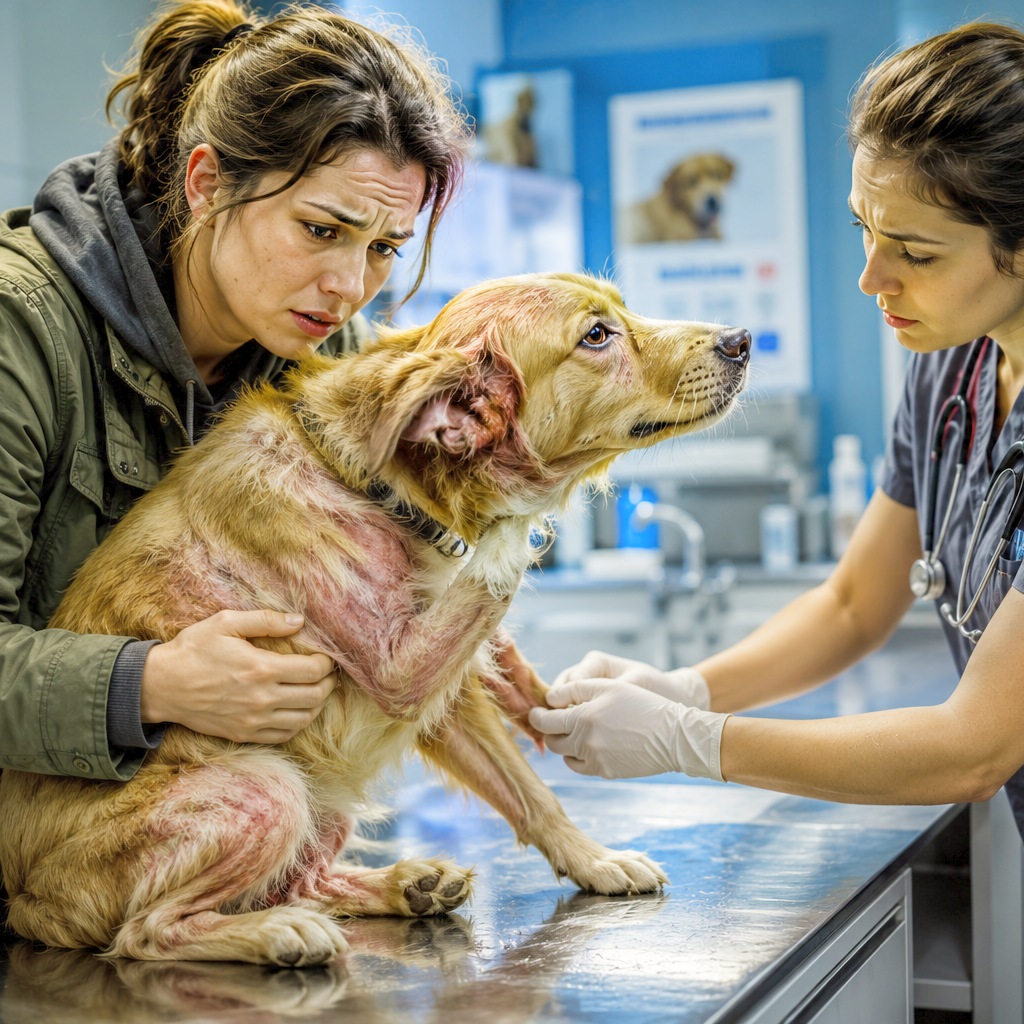
Symptoms can indicate a life-threatening allergic emergency, as can excessive itching and bleeding.
If your pet’s at-home treatment is ineffective after a few days, call a vet right away to have them assess the pet. Ongoing infections and worsening pain often indicate a more serious underlying cause, such as an allergy, so getting your pet the appropriate care right away will keep them from suffering longer and massively improve their quality of life.
FAQs
How can I stop my allergies to dogs?
To manage dog allergies, it’s advisable to keep your home clean, wash your hands after handling dogs, and limit contact with allergens. If your allergies become serious, you may need to visit a physician or an allergy specialist to discuss options such as antihistamines or immunotherapy injections.
What is the silent killer of dogs?
Bloat (Gastric Dilatation-Volvulus or GDV) is also known as the “silent killer” of canines due to the life-threatening nature within hours of onset without immediate attention.
What is the best home remedy for a dog’s itching?
One of the best at-home remedies for helping your dog relieve itching is an oatmeal bath; it naturally calms irritated skin and reduces scratching. Other home remedies for alleviating mild allergies in your dog are using coconut oil and washing your dog’s paws regularly.
Conclusion
It can be draining to live with dog allergies to begin with; one day playful and rambunctious, but the next day scratching nonstop, with an upset stomach and irritated skin. Knowing the actual cause of this makes all the difference. Early intervention, good nutrition, and treatment will all help your pet live comfortably for a much longer period of time.
If your pet has a dog allergy, an environmental allergy (like pollen or dust), or is severely scratching due to fleas, the most important things you can do are to take quick, consistent action and provide continuous care to your pet. By grooming regularly, feeding a healthy/nutritious diet (with a few different options at most), and having an established veterinarian who specializes in skin issues, you can prevent larger problems from developing later. This is for informational purposes only. For medical advice or diagnosis, consult a doctor.
