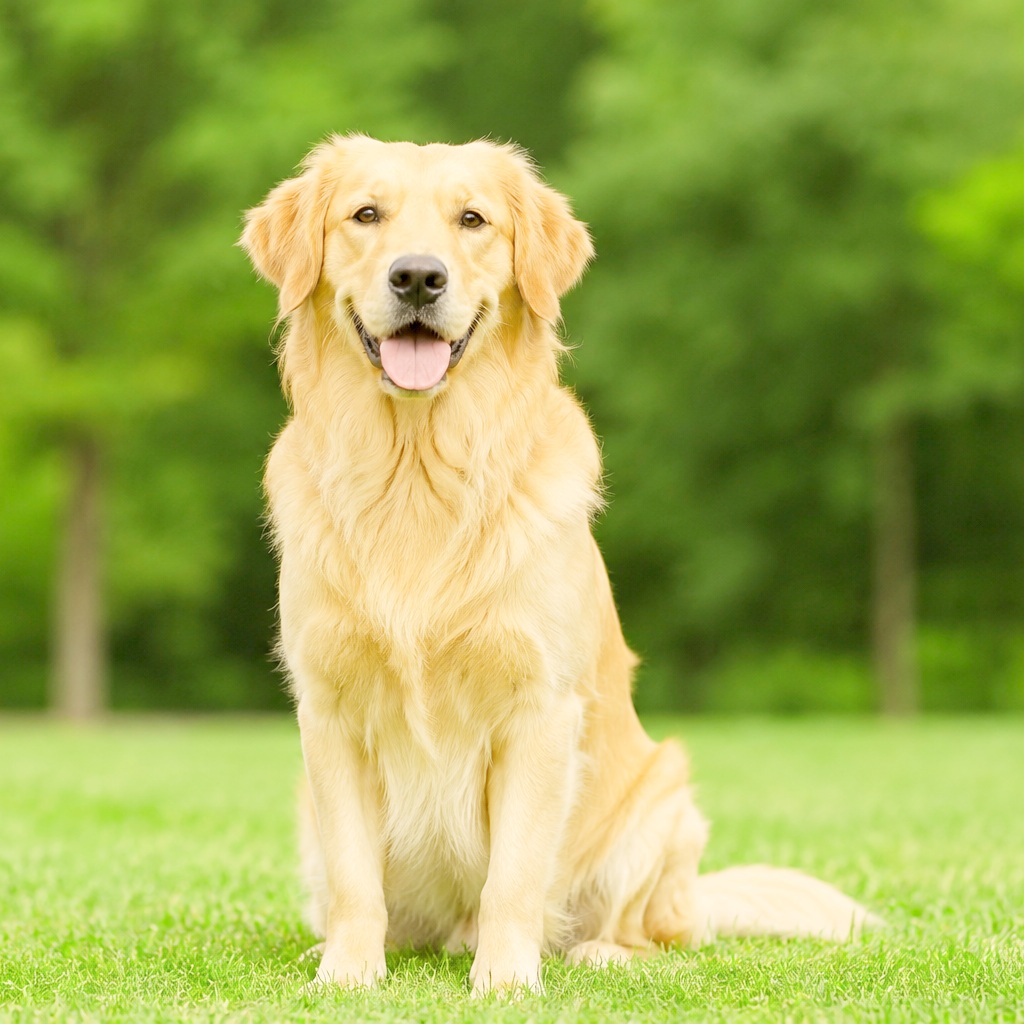
Dogs do best when communication is clear and consistent. This is why learning dog commands, routines, and structure makes a dramatic change in everyday life. A trained dog is quiet at home, watchful outside, and obedient in emergencies. Good dog communication skills also build trust between you and your furry friend.
Many owners think training is months of exhausting work. But smart dog training makes the process surprisingly fun. Consider training like teaching a child good manners. Habits are made one by one, small lessons of each day. With patience, rewards, and repetition, even stubborn dogs can learn important behaviors.
When Should You Start Teaching Dog Commands?
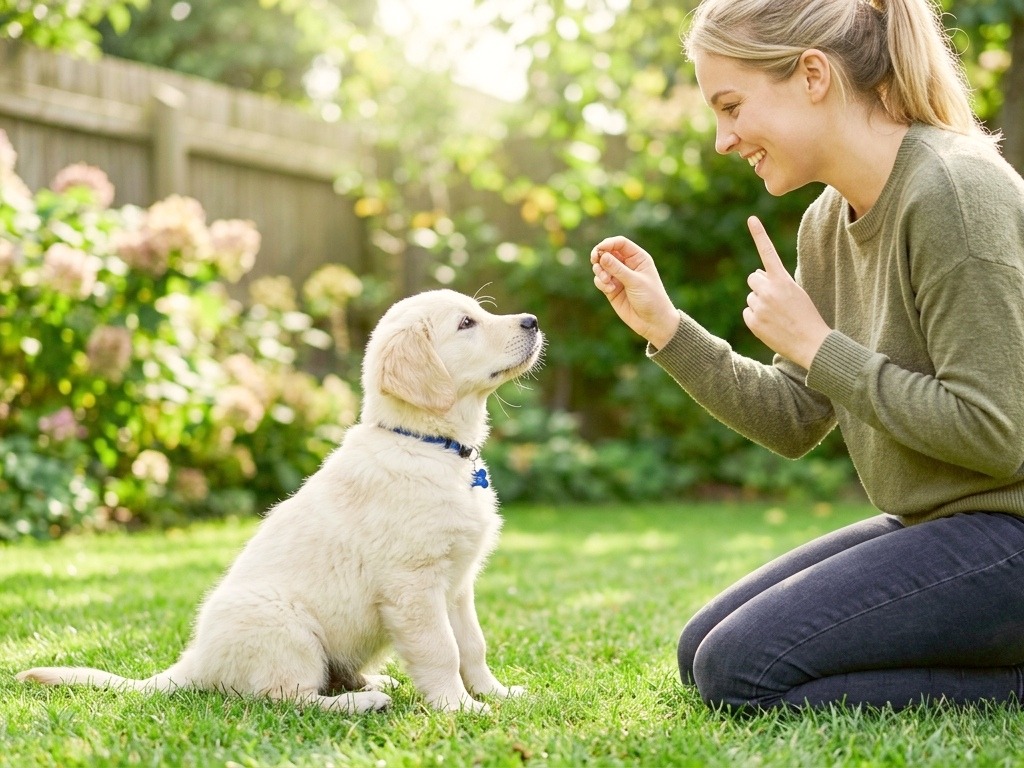
Puppies are like little furry sponges, soaking up information. Most trainers suggest beginning puppy training commands between eight and twelve weeks of age since young puppies are more open to routines during this developmental stage. Later in life, puppy socialization and obedience are reinforced, and fearful responses are reduced. Since puppies have a short attention span, shorter sessions work better.
Older dogs can learn new behaviors, despite outdated myths. Excitable puppies can often focus less well than adult dogs. Reward-based dog training does build confidence and, over time, builds healthier habits if done consistently. Some owners even enroll in obedience classes or professional programs when behavior problems become difficult.
Best age for puppy training
Introducing simple essential dog commands helps shape lifelong habits. Young dogs that do daily exercises will develop social confidence and better emotional control.
Can older dogs learn commands?
Older dogs may need a little more patience. But repetition and kindness work wonders. A little consistency and structure in dog training can go a long way for many rescue dogs. Sometimes owners are completely surprised at their progress.
Early socialization benefits for dog commands
Dogs that are exposed early to sounds, people, and environments usually grow up with better emotional balance. Proper socialization of dogs helps them build confidence and reduces nervousness in public. It also improves dog listening when there are distractions.
Sit Command: The First Command Every Dog Should Learn
The sit command is the foundation for almost all training exercises. Trainers often teach sitting first because it immediately creates focus and calmer behavior. You naturally teach patience by asking your dog to sit before meals, walks, or greetings. This simple behavior also improves dogs’ impulse control over time.
To teach your dog to sit, hold a treat just above his nose and slowly move it backward. Most dogs will naturally drop their back when following the reward. Praise and treats are given immediately for success.
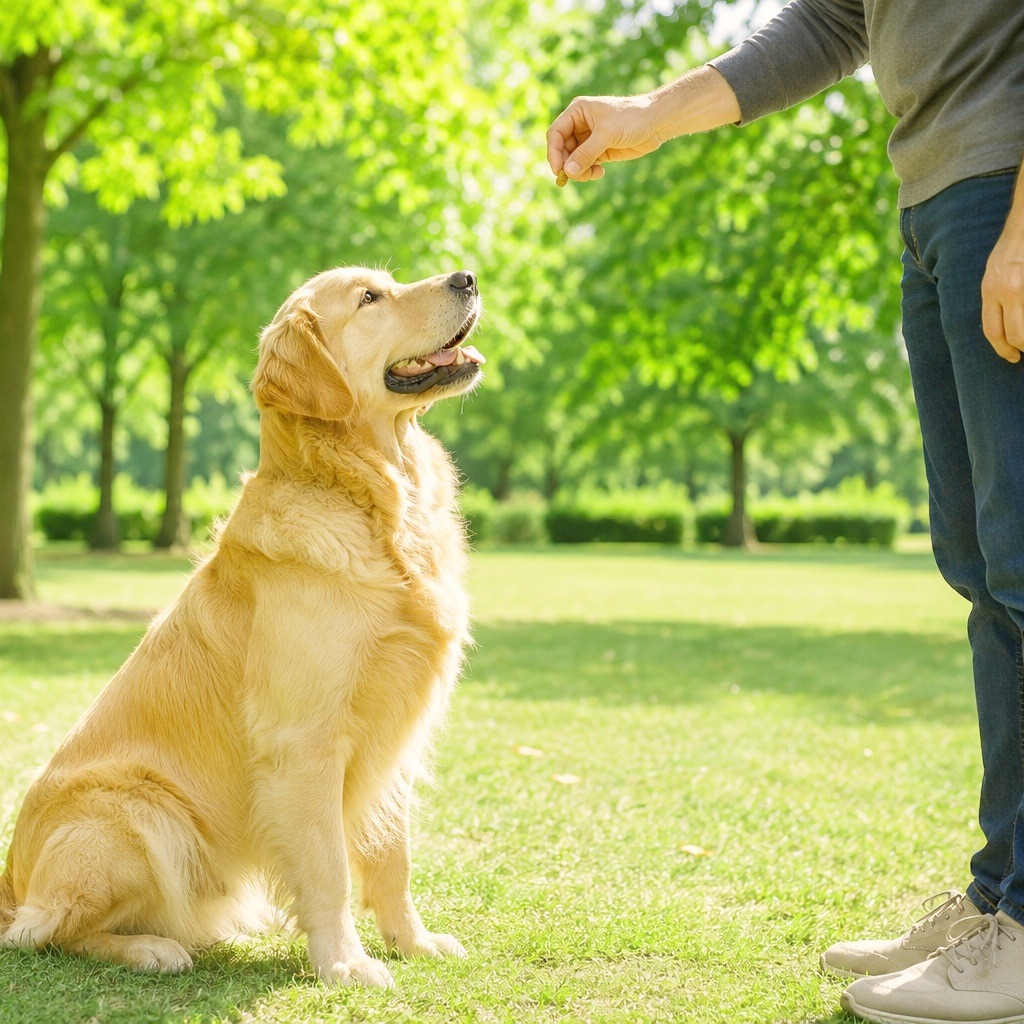
Step-by-step sit training for dog commands
Start in quiet rooms without distractions. Rewards are used consistently, and sessions are repeated daily. Dogs respond well to body movement, so use hand signals along with verbal commands when training your dog.
Common mistakes to avoid during dog commands
The owners tend to repeat commands too much, which confuses the dogs. Calm repetition and good timing lead to clearer understandings and stronger habits of obedience.
Stay and Wait Dog Commands for Better Control
A lot of people treat the commands of ‘stay’ and ‘wait’ as if they’re the same, but they’re not. When you teach your dog the ‘stay’ command, you’re teaching him to be completely still until you release him, but the ‘wait’ command will tell your puppy to stop moving momentarily, then continue what he was doing.
Using the ‘stay’ and ‘wait’ commands greatly increases the safety of your everyday activities. For example, if you open the door to your house and your excited dog bolts out like a rocket, if he knows the ‘stay’ command and is reliable with it, and won’t be able to escape. Similarly, if your dog knows how to control himself and his manners when ‘waiting’ for his food, crossing a road, and at a busy park, he will not be a danger to himself or anyone else around him.
| Dog Commands | Purpose | Example |
| Stay | Remain in position | During guests entering |
| Wait | Pause briefly | Before crossing streets |
Difference between stay and wait Dog Commands
Waiting and staying are commands that require a longer attention span and more patient behavior from the dog before it can begin moving again. The dog’s needs should be considered when using these commands, as both promote appropriate behavior at home and in public.
How these Dog commands improve safety
Jumping, racing, and making sudden movements are unpredictable and can be avoided when a dog is given reliable commands. By demonstrating greater patience, there is less stress for the dog being taken to grooming appointments or going to the vet.
Recall Training: How to Teach Your Dog to Come When Called
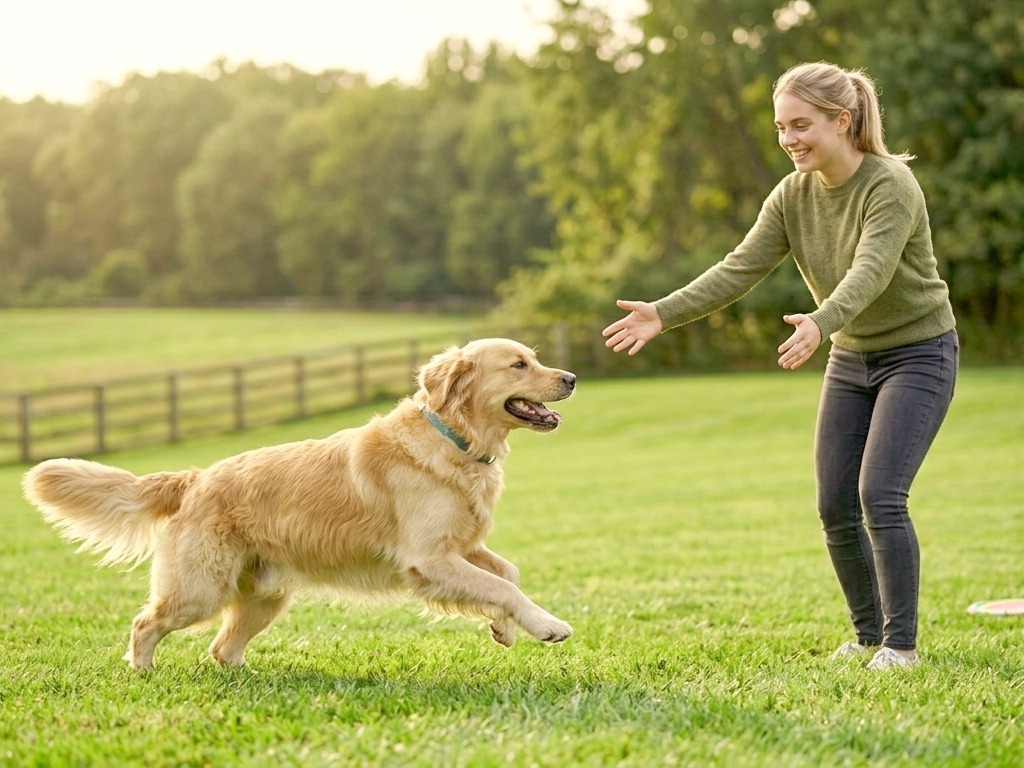
No command to teach your dog can be more beneficial in terms of saving its life than having a reliable recall command. Additionally, a dog that consistently responds to the ” Come ” command when called can be given greater freedom while still allowing the owner to maintain control of the dog.
Training your dog to be reliable with its Come when called command requires you to consistently use the same commands in the same way every time you train and reward your dog with treats, verbal praise, or play for successfully coming to you. Reliable training for the Come when called command develops over time, consistently using the command each time you call the dog and being patient with the dog to help it develop a reliable response to hearing those commands when you call it.
Down, Leave It, and No Dog Commands for Everyday Discipline
“Down” is used to relax during times that can be over-stimulating. Well-trained dogs usually behave calmly whenever food, toys, and strangers are present.
“No” training ought not to intimidate the dog but rather guide him or her. Intimidation will result in fear and mistrust between the animal and its owner. Training with calm behavior requires patience, and encouraging the dog to learn other actions.
Downing dogs will help lower hyperactivity. The training makes the dog calmer when greeting or eating their meal.
Dogs trained to leave items alone will not chew, steal food, or swallow any harmful objects.
Heel Dog Commands: How to Stop Leash Pulling During Walks
Going for walks must not make people feel tired out. Alas, too many canine pets tend to drag their owners as if they were small trains on a walk. Heel training for dogs can significantly change the nature of these outings and enhance the safety of the pets outside.
Heel training should be carried out patiently and consistently. Always give your dog a treat when it keeps calm while accompanying you. Use of treats with gestures will facilitate the training process. With enough time spent on systematic exercises, you can achieve much progress in dog concentration training.
Once a pet starts to pull, just stop walking. Continue only once your pet allows the leash to unwind. Pets will soon learn that they cannot get to their desired destination more quickly by pulling.
Advanced Dog Commands to Teach After the Basics
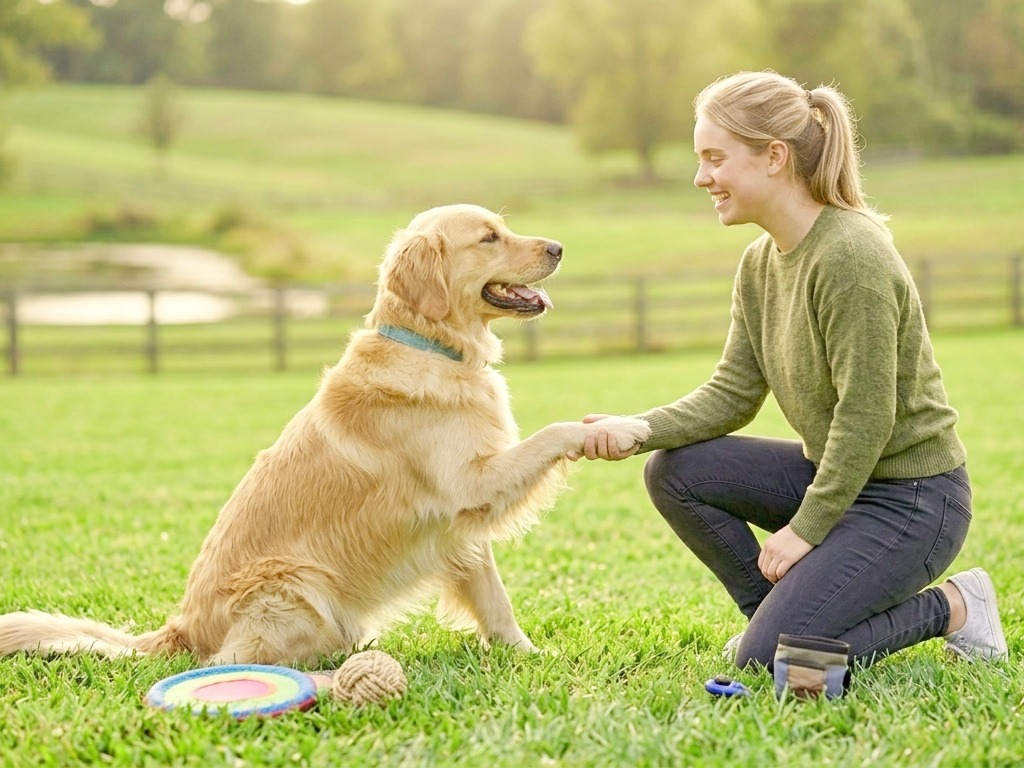
Tricks that require skill help to build coordination and boost self-confidence. Advanced classes are usually taken when you’ve mastered dog obedience training basics.
Spin, fetch, quiet, and shake commands keep your pet mentally engaged and avoid boredom. Learning advanced skills also benefits pets belonging to highly intelligent breeds. Many people enroll their pets in a board-and-train dog program.
| Advanced Dog Commands | Benefit |
| Shake Hands | Social interaction |
| Spin | Mental stimulation |
| Quiet | Bark control |
| Fetch and Drop It | Controlled play |
Shake hands
Humor is a way to build trust between people and animals and help the animal feel more at ease while being groomed.
Spin
Spinning helps build coordination and also burns off excess energy from the dog’s head.
Quiet
Quieting techniques are a great way to help teach dogs to stop barking.
Fetch and drop it
Retrieve games teach listening skills while teaching the dog to be less possessive of their toys.
Signs Your Dog Is Successfully Learning Commands
Changes in behavior can help to show how a dog’s skills are improving. A dog learning well will have a faster response time, make eye contact, and be more relaxed when faced with distractions. The way a dog’s body language changes during training may also indicate increases in confidence and comprehension.
When dogs obey consistently, it generally results in an overall increase in harmony in the home. Many owners experience less barking when their dog is learning to respond appropriately, behaves more calmly to visitors, and has improved manners when outdoors. All of this occurs due to the continued training of a dog’s behavior, which creates an organized routine instead of a chaotic one.
FAQs
What are the 7 most important dog commands?
The 7 most important dog commands are: Sit, Stay, Come, Down, Leave It, Heel, and Drop It.
What words do dogs hear best?
Dogs hear short, clear words best, such as Sit, Stay, Come, No, Heel, and Down.
They respond more easily to one- or two-syllable commands spoken in a consistent and positive tone.
What are signs your dog understands you?
They may also follow your directions, recognize routines, and show excitement when you speak to them.
Conclusion
Patiently, consistently, and compassionately, you can teach your dog commands they should know. Your dog’s greatest form of learning is through positive reinforcement, not fear-based. Repeatedly doing the same work with your dog will help build trust slowly and enhance ongoing communication and emotional connection naturally.
Practicing basic command exercises with your dog at home and then taking your dog to a training professional are the same objectives. You want your dog to have confidence while meeting all your expectations. A dedicated and kind dog owner will be able to teach their dog meaningful behaviors that ultimately will make their lives better.
