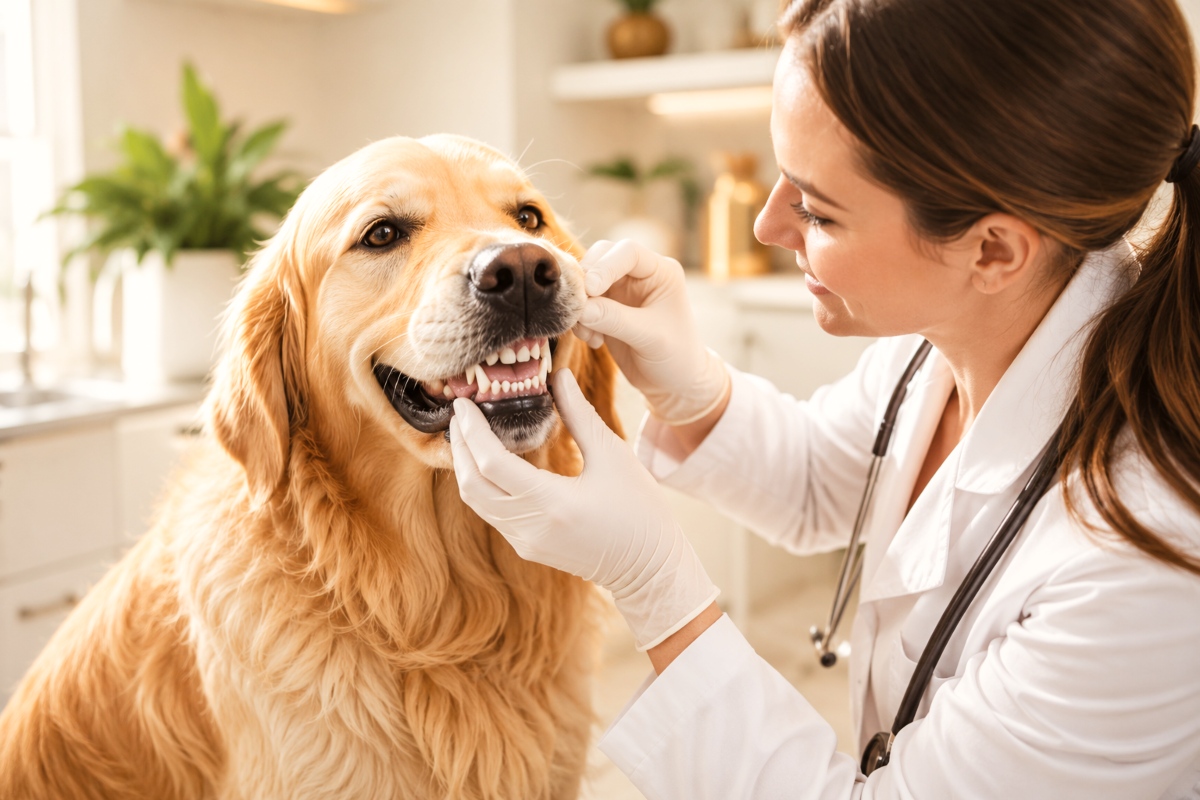
Dog dental care is not just about keeping your dog’s teeth clean. Rather, it is a silent guardian of your dog’s overall health. Many owners ignore oral care for dogs until problems appear unexpectedly. But early care can prevent pain, infection, and costly treatments. Your dog’s mouth can reveal many hidden health stories. Often, it shows warning signs before anything else. That is why your dog’s dental health is so important in daily life.
You will learn how small habits give you big benefits. Every step, from how you brush to professional cleanings, is important. This guidance provides simple, practical, real-world advice to help you protect your dog with confidence and adoration.
Why Dog Dental Care Is Important for Overall Health
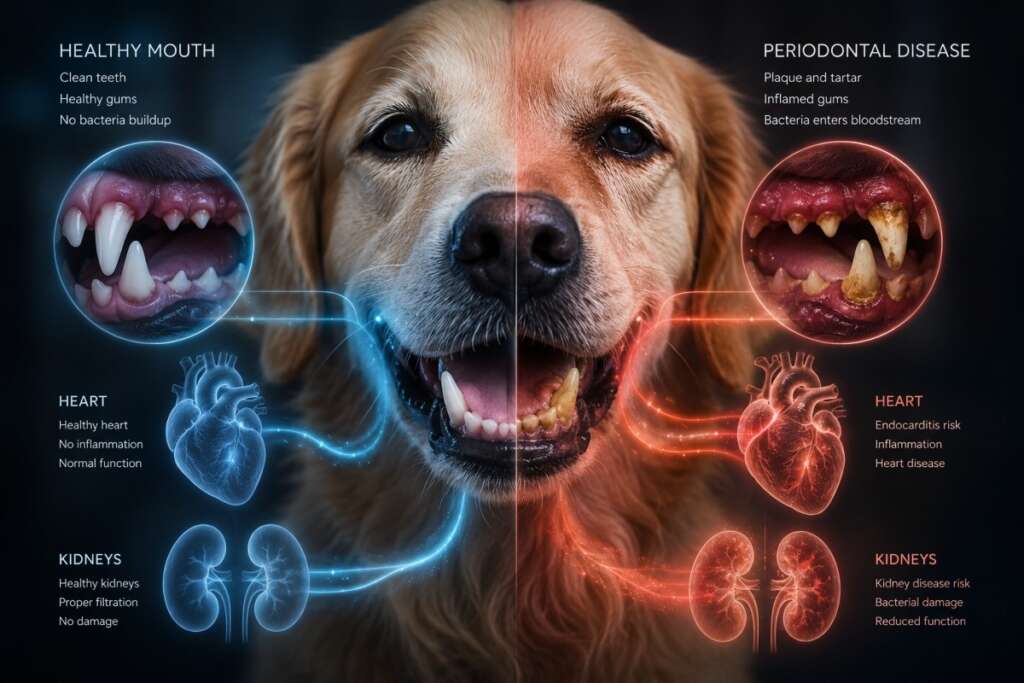
Dog dental care is directly linked to your dog’s internal health. Oral bacteria do not remain confined to the mouth. They spread through the blood, reach another body part, and can silently affect different organs. This is why the vet doctor often calls the mouth a health gateway.
When plaque begins to build up, it causes an infection. Over time, it can harm the heart and kidneys. For example, if left untreated, gum disease can cause inflammation throughout the body. That is why canine dental health is not only aesthetic care. It is a medical shielding for your pet’s future lifetime.
How Oral Bacteria Affect Internal Organs
Bacteria inside the mouth enter the blood through diseased gums. Then they spread to important organs like the heart. This can lead to a risk called endocarditis. It may also put pressure on the liver over time and can impact its health. Understanding of it like dirty water entering a hygienic system.
Why Prevention Is Better Than Treatment for Dog Dental Care
Protection always costs less than treatment. Daily simple brushing inside the mouth reduces bacteria. Regular mouth cleaning for dogs prevents hurting operations later. Think of it like fixing a small leak before a blood start.
Common Dog Dental Care Problems You Should Never Ignore
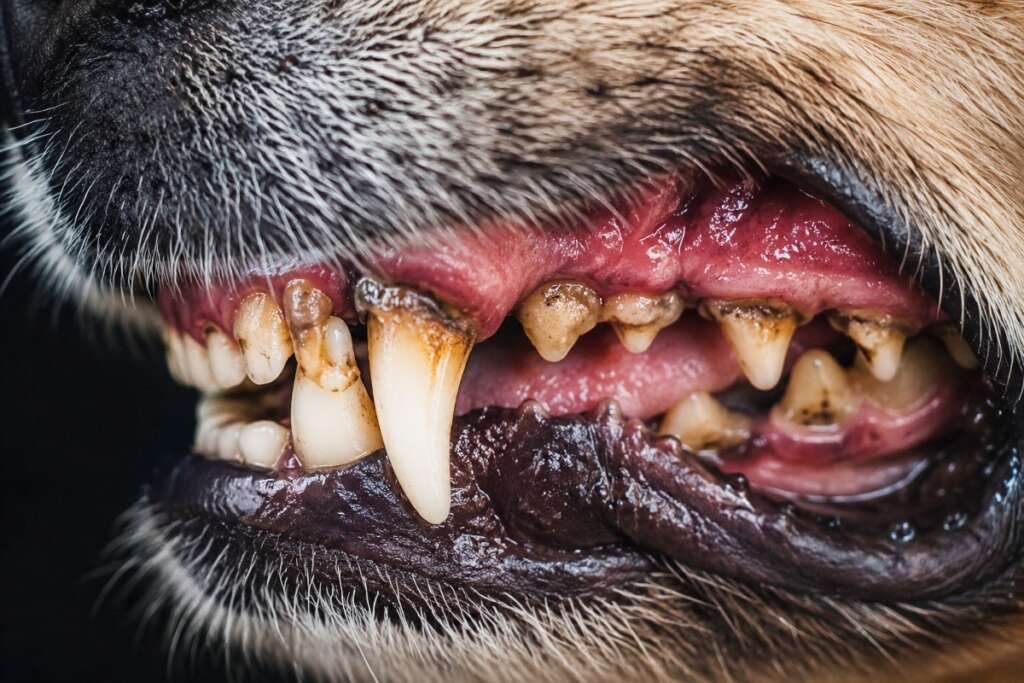
Bad breath is not normal. This usually signals a hidden infection. After that, Gum disease and tooth decay begin early. For example, a small plaque buildup can spread like rust on metal. That is why taking early action matters more than reaction.
Plaque and Tartar Build-Up Explained for Dog Dental Care
At first, the plaque is soft and sticky. If it is ignored, it turns into hard tartar. Once hardened, just brushing alone cannot remove it. Professional cleaning becomes important at that stage.
Gum Disease and Tooth Loss Risks
Gum infection can weaken the tooth support structures. At last, teeth become loose and painful. In severe cases, teeth can be lost completely. That is why canine dental health must be checked regularly. Your dog cannot speak, but behaviour speaks volumes. Dog Dental Care Awareness: You Notice Early Signs. The first sign to look for is bad breath. Bleeding gums and drooling are also red flags. Lower chewing pain. For instance, a dog that avoids hard food may already have tooth sensitivity. Don’t ignore these signs.
How to Brush Your Dog’s Teeth at Home
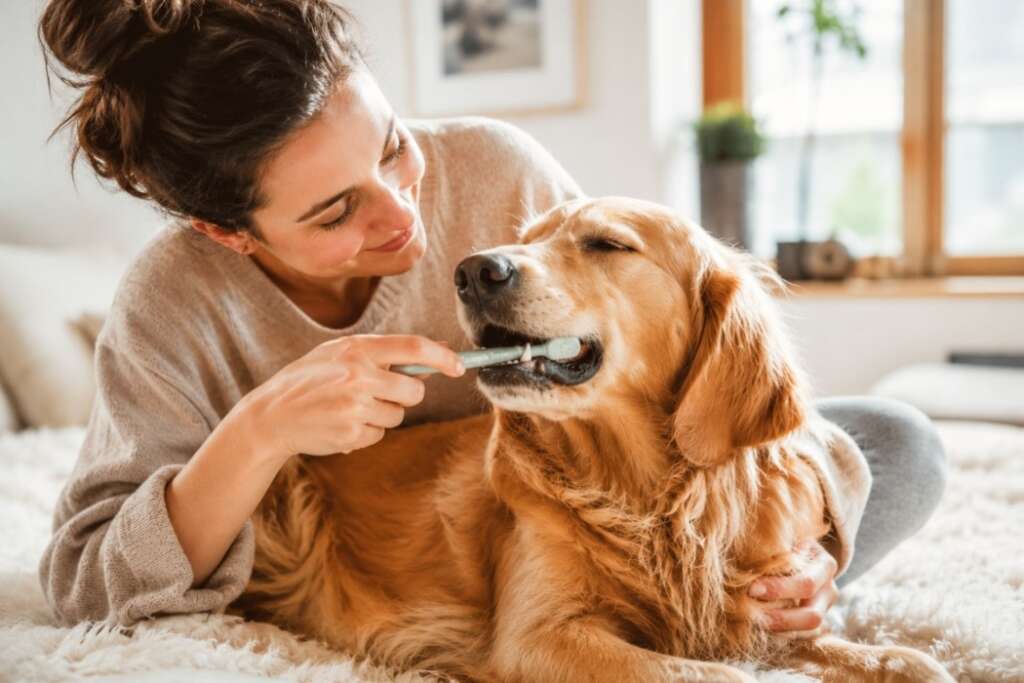
Home brushing is the basis of dog dental care. It keeps teeth safe from daily bacterial buildup. Start slowly to create trust with your dog. Use a toothbrush and toothpaste safe for dogs. Let your dog have a sniff of it first. Then do it in a circular motion. Keep the sessions short and calm. It’s grooming, not a chore.
Good habits prevent dental problems. Dog dental care works better when done regularly. Brushing your dog’s teeth two or three times a week is ideal. You can also use chew toys and dental treats to help clean your dog’s teeth. A balanced diet also reduces plaque buildup naturally. For example, dry kibble helps scratch teeth during chewing. Combine all the habits for best results. Puppies Need Early Dog Dental Care Habits. Teething begins at around three weeks and continues for months. This is where chewing gets serious.
Give safe chew toys to help with discomfort. Frozen toys help soothe swollen gums. For example, puppies often chew furniture during stages of pain. Appropriate toys divert this behaviour safely. Older dogs require gentle, careful dog dental health routines. Gums, as they say, get sensitive with age. Teeth can get weaker over the years. Soft foods lessen the pain of chewing. At this point, regular checks become more important. For example, in older dogs, silent infections are usually. Early detection increases comfort and longevity.
Professional Dog Dental Care Cleaning: What to Expect
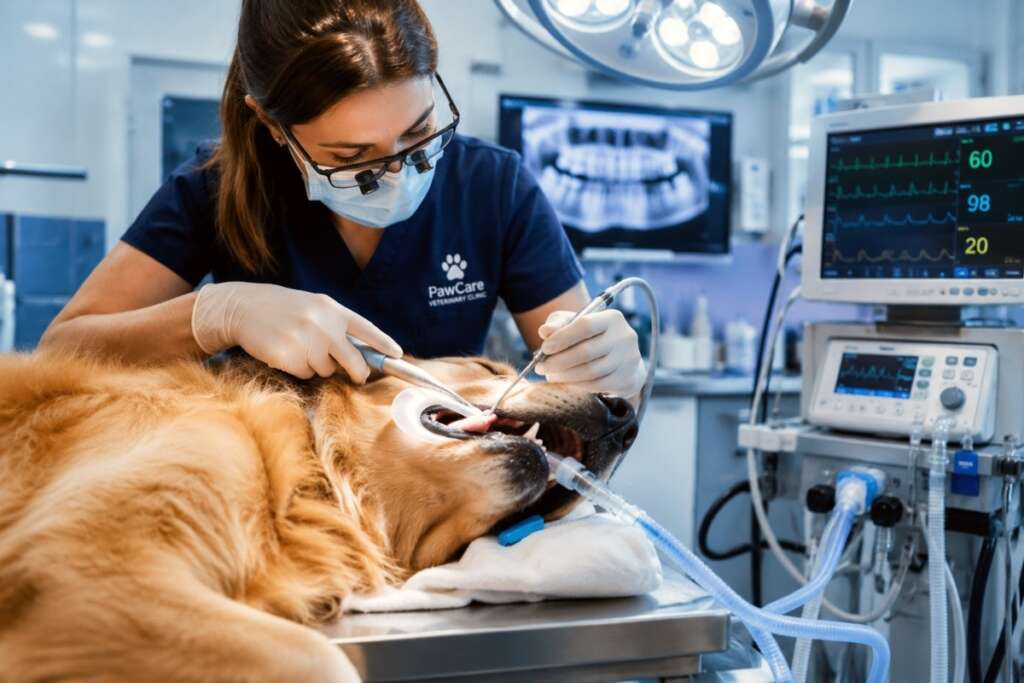
Sometimes your dog may need professional dental care. It removes the deep tartar that cannot be reached by brushing at home. Vets will clean and polish the teeth totally. Anaesthesia is often used for safety reasons. X-rays of the teeth may be taken to look for hidden problems. For example, you can’t see root infections without imaging. This will ensure that you get a complete oral treatment. Natural methods can be helpful for dogs’ oral hygiene, but they are not a substitute for brushing.
They help reduce bacteria naturally. Carrots act as a natural toothbrush. Parsley can help freshen breath. Coconut oil sometimes helps to improve gum health in small amounts. For example, chewing on safe vegetables helps gradually decrease plaque build-up.
FAQs
How to maintain dental health for dogs?
- Brush your dog’s teeth regularly
- Provide dental chews
- Check your dog’s mouth regularly
- Use dental water additives
- Reward consistent dental care habits
Can I use coconut oil for dog teeth cleaning?
Yes, a small amount of coconut oil can be used on your dog’s teeth and gums as part of their oral care routine.
However, it should only be a supplement to regular brushing, not a replacement for proper dental care.
What kills bacteria in dogs’ mouths?
Regular brushing with a dog-safe toothpaste is one of the most effective ways to reduce harmful bacteria in a dog’s mouth. Professional dental cleanings and veterinarian-approved oral care products can also help keep bacterial growth under control.
Conclusion
Dental care is important to a dog’s long-term health and comfort. Good oral hygiene in dogs prevents infection and pain. Good dental health for dogs improves quality of life in general. Regular care makes for stronger teeth and happier behaviour. For best results, always combine home care with visits to the vet. A healthy mouth is a healthier dog every day.
