
Dog diseases can affect your pet’s health quietly at first, but early awareness and care can make a big difference in their recovery and well-being. Crate training puppies is an essential part of dog care that helps both you and your pet feel secure. When done correctly, it teaches your puppy boundaries, encourages proper bathroom habits, and reduces anxiety. Many pet owners notice that supportive care for sick dogs and overall dog health improve when puppies have a safe, designated space.
For veterinary students, practical experience shows that a gradual introduction to the crate, coupled with positive reinforcement, fosters a sense of security instead of fear. By adhering to sound canine hygiene practices and making the crate a welcoming space, you can help your puppy view it as a safe place. This method sets the stage for a well-behaved companion and a pet that thrives.
Why Understanding Dog Diseases and Symptoms is Important
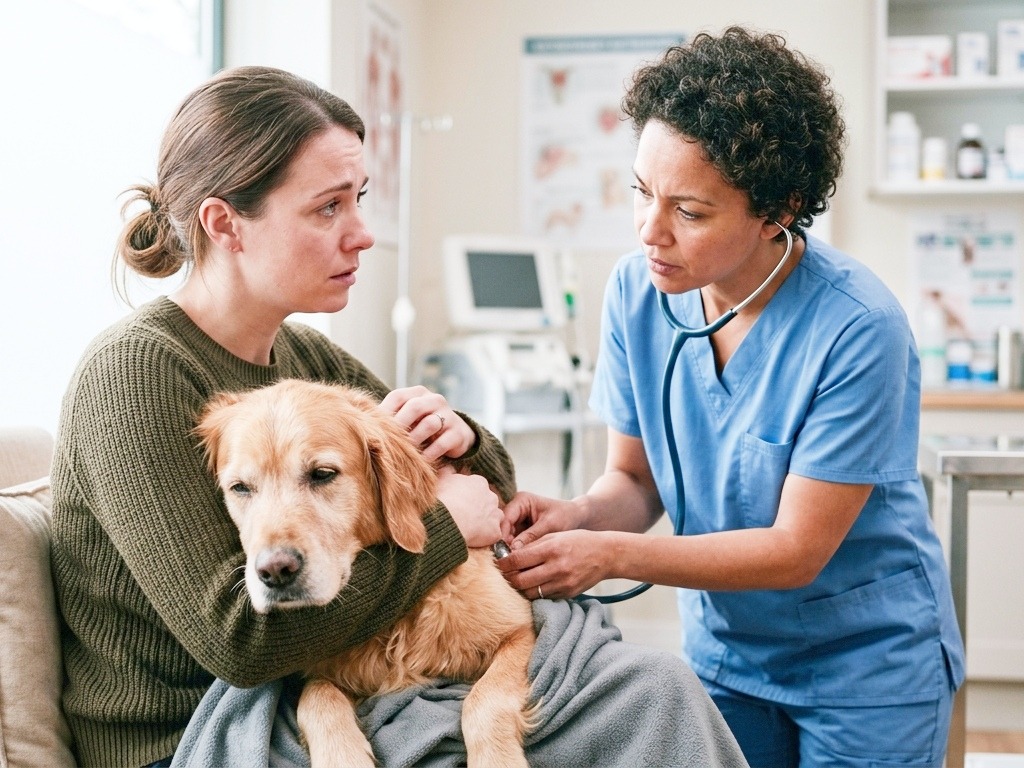
Every pet owner needs to know about dog disease prevention. Common illnesses in dogs, such as canine distemper virus and kennel cough, spread rapidly if not noticed. When you know the signs of a dog infection, you can go to the vet in time. Pets depend completely on you for their protection. Early treatment often makes the difference between life and death.
Moreover, learning about dog health optimises your everyday pet care routine. observing reduced hunger. Changes in behaviour or unusual energy levels are signs of responsible pet ownership. Knowledge about caring for sick dogs at home enhances veterinary treatment and the bond between you and your companion. Controlling infectious diseases makes sure other pets stay safe, too.
Even mild signs like sneezing or watery eyes could indicate contagious dog diseases, such as kennel cough infection. Regular observation and dog health tips, such as proper diet and clean water, are part of dog care. Always note abnormal behaviour for veterinary professionals to facilitate a faster diagnosis
Common Dog Diseases, Causes and Risk Factors
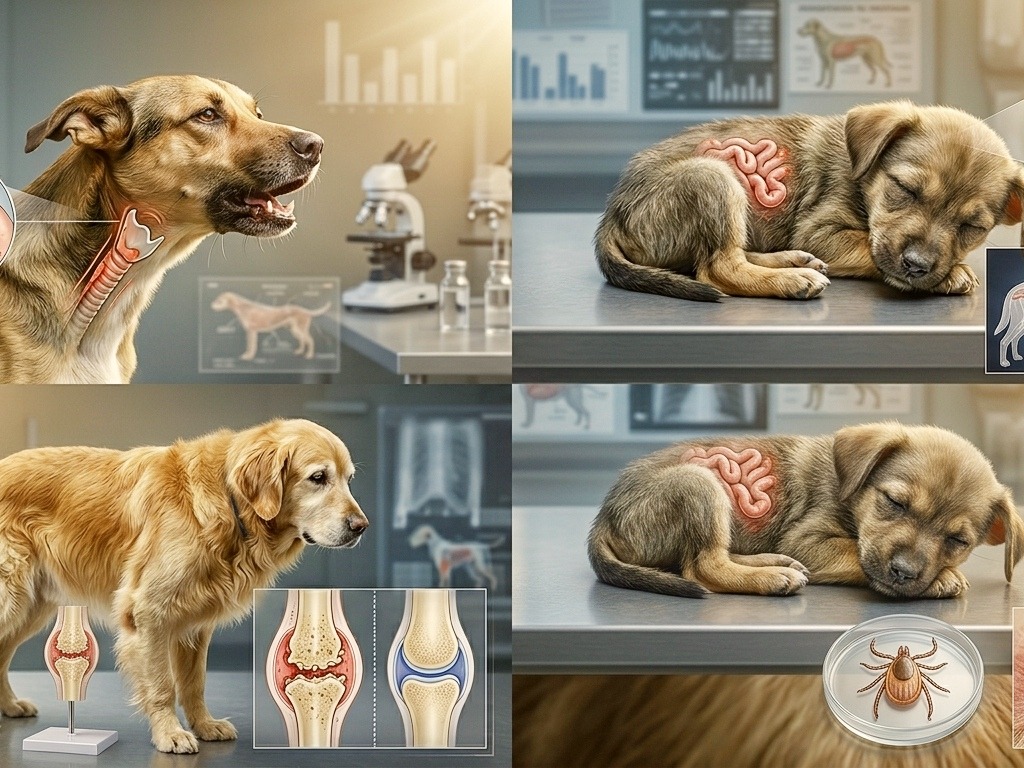
Pets are affected by numerous common dog diseases. Parvovirus is highly contagious and potentially fatal in young puppies. Typical symptoms include lethargy, diarrhoea, and vomiting. The canine distemper virus affects the nervous and respiratory systems, resulting in fever, coughing, and neurological problems.
Tick-borne illnesses, such as Lyme disease, can cause lameness, fever, and swollen joints. Canine leptospirosis spreads through contaminated water and causes kidney and liver problems.
| Disease | Symptoms | Contagious | Severity |
| Parvovirus in puppies | Vomiting, diarrhea, lethargy | Yes | High |
| Canine distemper virus | Fever, cough, neurological signs | Yes | High |
| Lyme disease in dogs | Lameness, joint swelling, fever | No | Moderate |
| Kennel cough infection | Persistent cough, nasal discharge | Yes | Low-Moderate |
| Canine leptospirosis | Vomiting, kidney/liver issues | Sometimes | High |
Being aware of these illnesses in animals enables you to take action before the situation worsens. Numerous illnesses can be avoided with the help of owner advice, such as keeping vaccinations up to date, feeding properly, and monitoring behaviour.
Puppies are more susceptible to parvo. Puppies are more vulnerable to parvo. Older dogs can suffer from chronic diseases. Your dog is exposed to tick-borne diseases and Lyme disease. Canine leptospirosis can be caused by poor hygiene and contaminated water.
Breed, diet, environment, and social interaction all impact dog health. Vaccination is a vital part of disease prevention. Unvaccinated dogs are at risk for common canine diseases. Knowing these pet owner tips reduces the risk of life-threatening infections.
Prevention Through Vaccination and Hygiene in Dog Disease
Dog Disease prevention is based on a vaccination schedule. Canine Distemper Virus, Parvo & Other Contagious Diseases, puppy vaccination protection. Other risk reduction strategies include dog hygiene tips, such as regular grooming and clean bedding.
Regular tick checks and the use of repellents are important to prevent tick-borne illnesses. “Don’t let dogs drink still water to avoid the risk of canine leptospirosis. Regular check-ups, veterinary care for dogs, improve supportive care for sick dogs and maintain long-term pet health. Oral health also plays an important role in hygiene for several reasons.

Dental and Oral Health to Prevent Dog Disease
Dogs need to be brushed and given dental treats to prevent diseases. Dental hygiene helps dogs live longer, but dental problems can cause more serious diseases in animals. Bad breath and red gums are indications of infections in dogs. Oral hygiene should be part of disease control.
Treatment and Veterinary Care for Dog Disease
For an infected dog, veterinary services are necessary. These can range from antibiotics, antivirals, fluids, and nutrition. In the case of puppies infected with parvovirus, a hospitalisation process is often required. The earlier the treatment, the higher the chances of recovery.
Observation of the condition at home can also be considered part of the support therapy for an ill dog. A calm setting, hydration, and careful feeding contribute to better dog health. Getting professional advice from veterinarians about drug use also helps.

You must take good care of your ill dog at home. Give proper rest, warmth, sufficient fluid intake, and proper nourishment to the dog. An ill dog requires special care, observation for more serious symptoms in dog emergencies, and timely feeding. Interactions can be very useful in enhancing their mental health, too, which is another component of dog health.
Making sure that the beddings, plates, and toys are cleaned will keep your dog clean and healthy. Some steps, body temperature, light exercise, and daily routines will help you avoid any kind of illness in the future.
Seasonal and Environmental Dangers Lead to Dog Disease
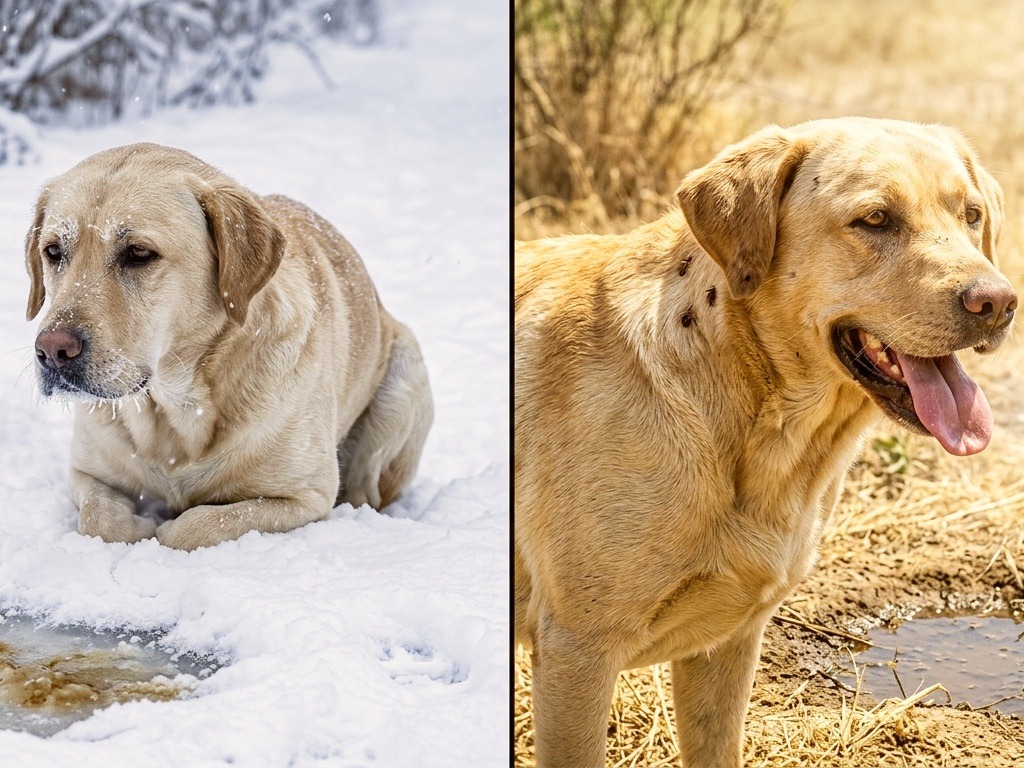
Seasonal risks affect dogs’ health. In summer, dogs may experience heatstroke due to excessive temperatures, while in winter, they experience hypothermia. During outdoor games, dogs may come into contact with ticks, which can lead to diseases. Contaminated water increases the risk of canine leptospirosis in your dogs. Always watch your dog when outside for dog safety.
Floods, slippery surfaces such as ice and direct exposure to sunlight pose a danger to pets. Dog safety measures include providing shade, clean drinking water and watching out for behavioural changes. Understanding these dog infection risks will guide you to take good care of your animals as a pet owner.
Faqs
How to prevent diseases in dogs?
We can prevent Dog Disease in the following ways
- Keep up-to-date with the vaccination of your dog
- Maintain their hygienic conditions
- Ensure regular vet check-ups
- Provide your dog with a balanced diet and clean water for drinking
- Protect your dogs from parasites like ticks and fleas
What are the 4 types of disease prevention?
There are four types of disease prevention, as follows
- primordial
- primary
- secondary
- tertiary prevention
Each type focuses on preventing disease before it starts, early detection, treatment, and lessening complications.
What are the 5 stages of disease?
The five stages of disease are as follows
- Incubation
- Prodromal
- Sickness
- Decline
- Convalescence
Conclusion
As an informed pet owner, ensure your dog’s health by observing signs of infection, vaccinating them appropriately, and taking care of their needs. These simple measures make a world of difference in saving dog lives and boost global animal welfare.
The combination of the information provided during the DVM course studies on medications for vets, combined with practical experience at places like St Nicholas Animal Rescue, makes one empowered to make decisions.
