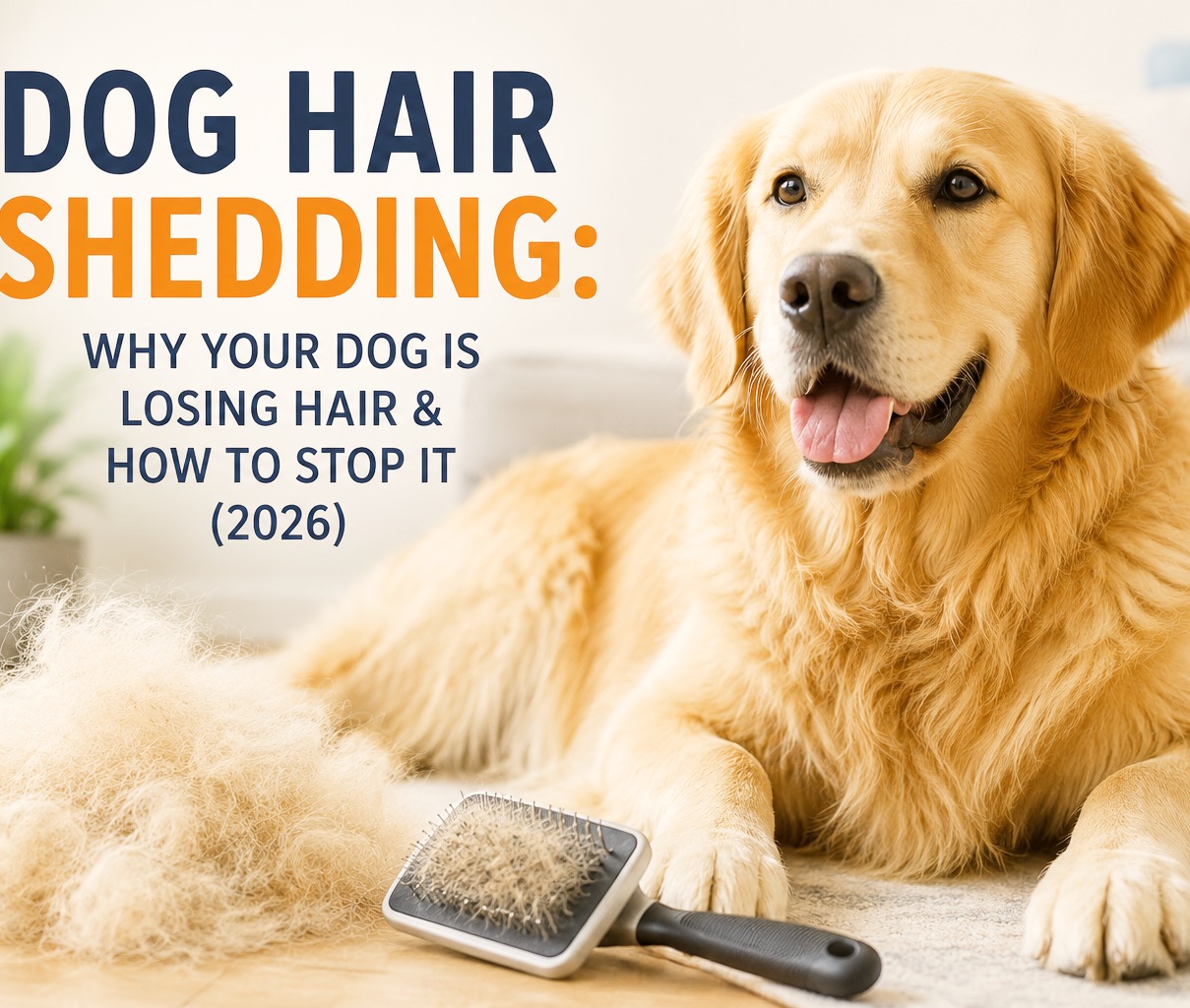
Hair loss is normal in your dog’s hair growth cycle, but the amount of hair your dog loses depends on many factors, including breed, environment, and overall health. If your dog is continuously shedding hair and you can’t completely stop, it’s important to understand why dogs shed. It helps you manage and recognize when something might be wrong. You’re feeling overwhelmed because your dog is shedding, but there are ways to minimize the hair loss.
Dog hair shedding is sometimes more serious because it’s a sign of a hidden disease that the owner often ignores. According to an Embark Health survey, nearly half of the dog owners said their dog sheds a moderate amount or higher. Dog daycare experts explain the reasons behind dog shedding. In this guide, we offer advice on managing dog hair shedding from your canine companion.
Why Do Dogs Experience Hair Shedding?
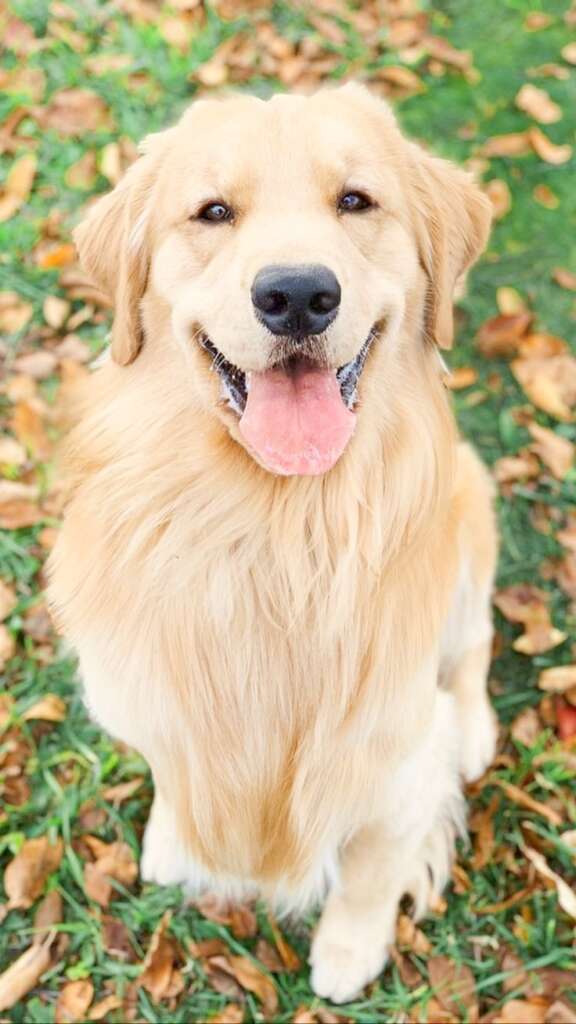
A dog’s fur helps regulate thermoregulation and protects from ultraviolet rays. Shedding is part of a dog’s hair. When the hair growth stops, the follicle separates from the roots for the growth of new hairs. The dead hair remains on your dog’s coat, which can be removed by grooming or falls off your pet. The hair shedding process begins when your dog is a puppy, and it continues throughout their life. Some factors that affect dog hair shedding are described below.
Genetics
The hair growth is higher in poodles and Shih Tzus. Their hair grows for a long time. Dogs need to be groomed because it helps to control shedding. The labradors and huskies contain double coats, with one layer of protective guard hairs. Beagles and whippets have short single coats with a moderate shedding rate.
Hormones
In female dogs, shedding depends on the season, because shedding increases as the season begins. According to research, a female German shepherd sheds 5g of hair per week for most of the year. But this rate increased up to 70g just before her season started.
Nutrition
Hair follicles need nutrition to grow a healthy coat because a poor diet impacts the strength and quality of hair growth.
Seasonal Shedding
Double-coated breeds shed their undercoats, especially during the spring and fall. The breeds that face heavy shedding are Border Collies, Labrador Retrievers, Beagles, and German Shepherds. Heavy Shedding can be normal for some dogs, but it may be a cause of an underlying health condition. If the owner notices excessive shedding should consult a vet.
Stress and Anxiety
The amount of dog hair shedding can also increase if your dog’s environment suddenly changes. If you see your dog experience stress- or anxiety-induced shedding, consult with your veterinarian. Additionally, they can help to solve the problem, such as anti-anxiety medications or other treatments.
Skin Issues
Sometimes, dog hair shedding is due to parasite infestations, such as mites, lice, or fleas, which can cause excessive hair loss. Your pup may bite specific areas and break hair off in the process. The skin then becomes susceptible to infection with bacteria, yeast, or ringworm. Parasites attack specific areas, like fleas on the back and lice on the back legs.
Age
Age is the most important factor in dog hair shedding. Unfortunately, dogs don’t remain young and healthy for a lifetime. In many puppies, shedding begins around 4 to 6 months. It may start as early as 12 weeks or in the second year, depending on the breed.
As their age increases, their skin and hair become weak. As they age, their skin and coat will become weaker. If you notice excessive shedding in your older dog, take it easy because this is a normal part of the aging process.
Allergies
Shedding due to the allergies. It badly affects the dog’s hair growth and causes scratching. There are many types of allergies, such as food or skin allergies. In this condition, you must consult your vet.
Pregnancy
A pregnant dog may, at times, shed more hair than usual. During this time, a female dog’s body undergoes natural hormone changes, and many nutrients are provided to support her growing puppies. These changes may temporarily affect the normal hair growth cycle and lead to increased hair shedding. Some dogs may shed more after they have had their puppies. Most commonly, this is a normal transient change, and the coat will gradually return to health as the mother recovers and hormone levels normalise.
How to Reduce Dog Hair Shedding Naturally
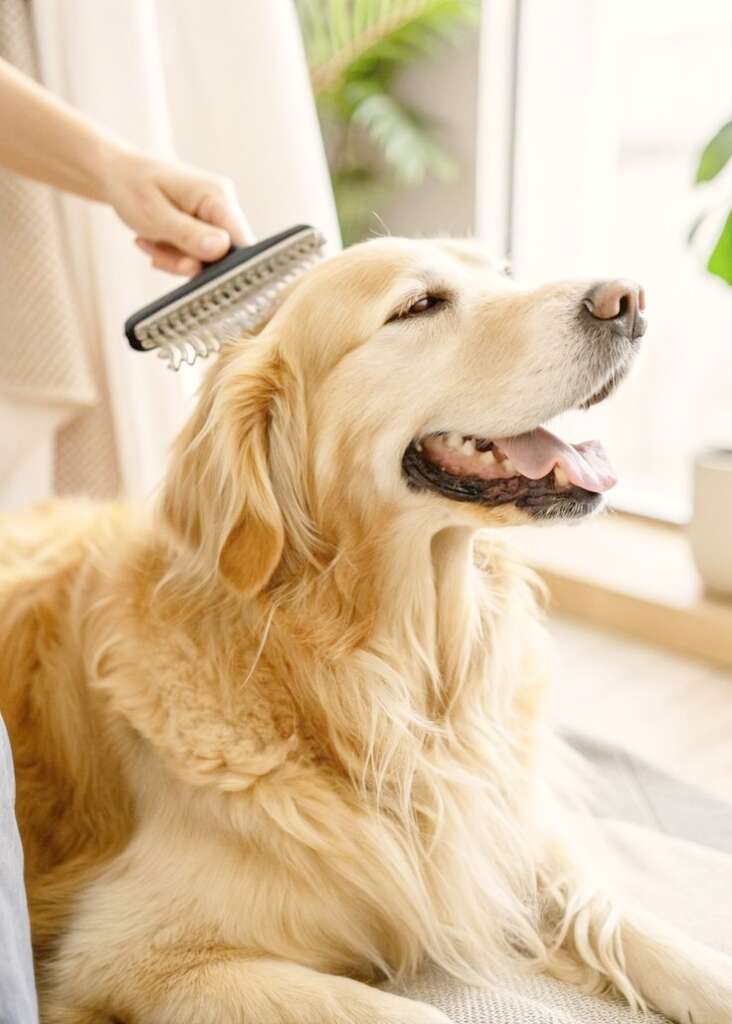
Brush Your Dog Regularly to reduce dog hair shedding
Brush your pet regularly. Drastically reduce loose hair in just 5-10 minutes, 2-3 times a week. The owner should use the right brush or comb for their dog’s hair. In addition, brush down to the skin to help remove loose undercoat and distribute natural oils. Long-haired breeds need professional grooming every 4-6 weeks.
Feed a High-Quality Diet
A quality diet plays an important to maintain dog hair growth. Balanced food, specially formulated to promote coat health, can help boost hair follicles. Vets often prescribed hair supplements to overcome a deficiency of nutrients. Before changing the dog food or adding supplements to their diet, consult the vet. Just make sure to check with your veterinarian before switching your dog’s food or adding supplements to their diet.
To prevent dog hair shedding, some supplements are also required, such as omega-3 and 6 from fish oils and vitamins E and A, and B-complex.
Bathing
Bathing is an excellent method to minimize dog hair shedding. A nice bath will get the loose hair off before it gets on your furniture and floors. Use a shampoo made for dogs, which will protect the skin and coat without stripping away essential natural oils. Bathing too often can dry out the skin and cause more hair to come off. While your dog is dry, brush out any leftover hair.
Which Dog Breeds Have the Most and Least Dog Hair Shedding?
| Dog Breeds That Shed the Most | Dog Breeds That Shed the Least |
| German Shepherd | Poodle |
| Labrador Retriever | Shih Tzu |
| Golden Retriever | Bichon Frise |
| Siberian Husky | Maltese |
| Alaskan Malamute | Portuguese Water Dog |
| Akita | Yorkshire Terrier |
| Saint Bernard | Schnauzer (Miniature, Standard & Giant) |
| Bernese Mountain Dog | Basenji |
| Great Pyrenees | Havanese |
| Chow Chow | Soft Coated Wheaten Terrier |
Dog Hair Shedding vs. Hair Loss
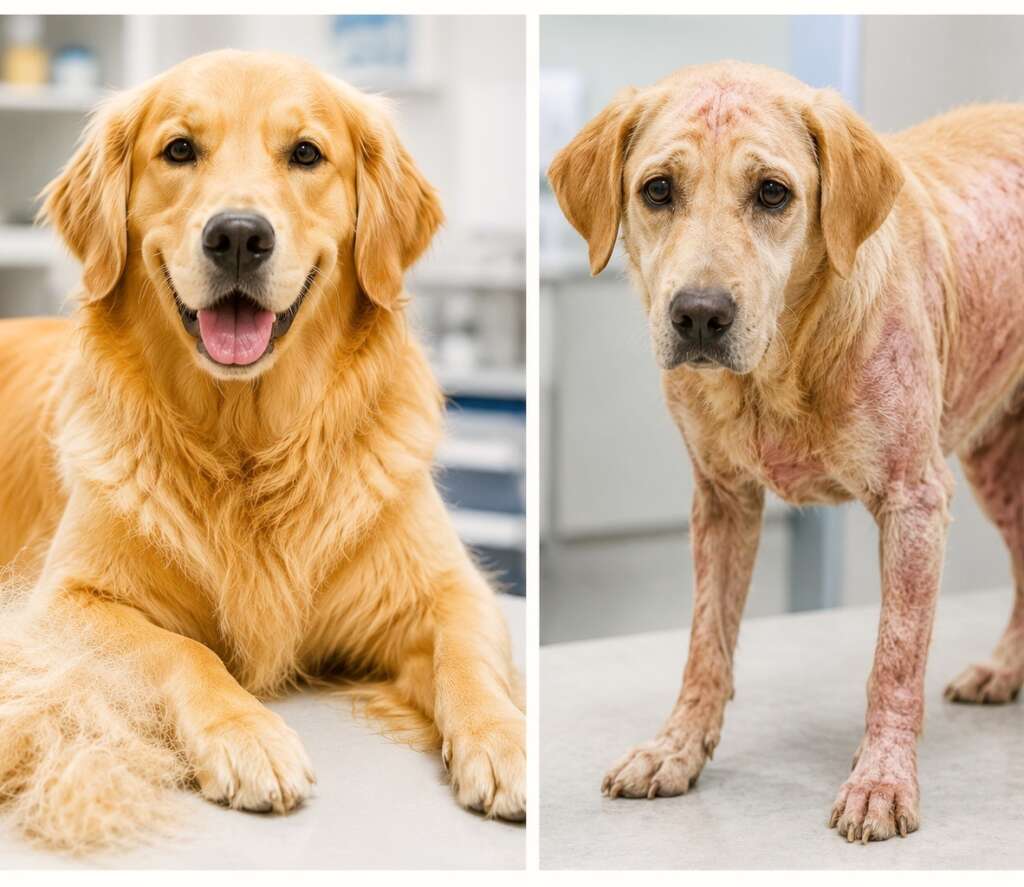
Dog hair shedding may seem alike, but they are actually two different things. Shedding occurs when the old hair falls out, and new hair emerges. It’s a natural process. Alopecia (which is commonly known as hair loss), on the other hand, is an abnormal process that can indicate serious health issues and cause hair thinning and hair loss. There are various reasons for alopecia, such as allergies, parasitic infection, hormonal imbalance, skin diseases, nutritional disorders, and some other illnesses.
Best Food to prevent excessive dog hair shedding

| Food | Benefit |
| Salmon | Healthy coat |
| Eggs | Strong hair |
| Fish Oil | Less shedding |
| Chicken | Hair growth |
| Pumpkin | Healthy skin |
| Sweet Potato | Better coat |
FAQs
What months do dogs shed hair?
In spring and fall, dogs shed hair the most.
What can I give my dog to stop shedding hair?
- A balanced diet
- Omega-3 fatty acids
- Coat supplements
Why is my dog suddenly shedding so much hair?
- Seasonal changes,
- Stress,
- Poor nutrition,
- Allergies,
- Parasites,
- Underlying health condition
Q: What vitamin deficiency causes dog shedding?
- Biotin (Vitamin B7),
- Vitamin E,
- Vitamin A,
- Zinc, or
- Essential fatty acids
Does olive oil help dogs shed less?
Olive oil may support skin health in small amounts, but omega-3-rich fish oil is generally more effective for reducing shedding.
Conclusion
Dog shedding is a normal process, but knowing the reasons for shedding makes it easier to deal with. This article discusses the common causes of shedding, the difference between normal and abnormal hair loss, the ways of reducing shedding, the best dog food for healthy fur, and the breeds that shed the most and the least. By following the tips provided by DogsDayCare, you can maintain your dog’s coat and know when it’s best to call a veterinarian.
