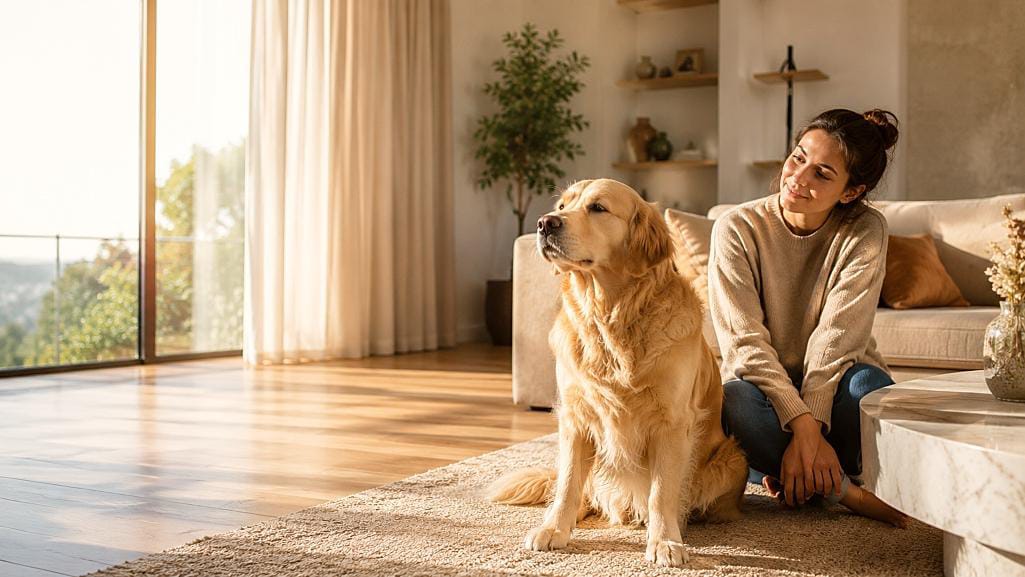
The first time you see Dog Hiccups, you may be surprised, especially when the little jerks come without warning, as many pet owners are. Hiccups are typically a normal reflex and fortunately stop on their own within a few minutes. They can occur in dogs of any age, though younger puppies are more prone due to their developing bodies and playful nature.
Why dogs get hiccups: Knowing this helps you respond calmly rather than worry about every episode. In this guide, you will learn what causes Hiccups in dogs, simple ways to manage them, when they may signal Dog health concerns, and the best steps to protect your dog’s long-term pet health whilst giving you complete peace of mind.
Do Dogs Get Hiccups?
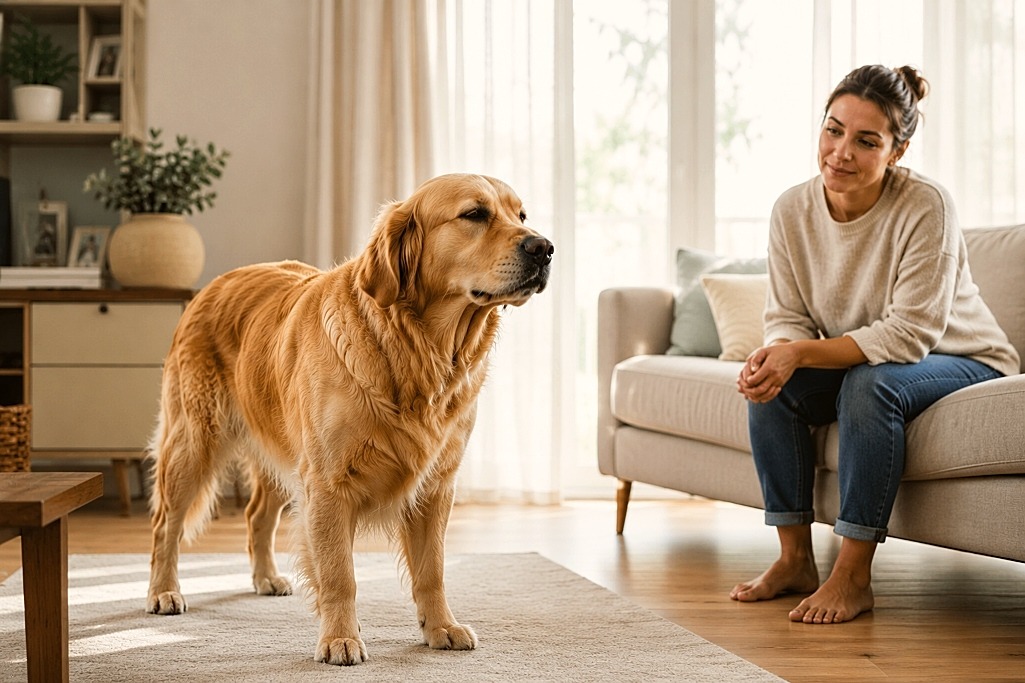
Understanding the cause of your dog’s hiccups will help you remain calm and make the best decisions for your furry friend. While most hiccups are harmless, it’s still wise to keep an eye on your dog’s health, encourage healthy digestion, and consult a veterinarian if the symptoms continue, all to safeguard your dog’s well-being. And with the proper care, your pet can continue to be happy, healthy, and comfortable.
Can Puppies Get Hiccups More Often?
Hiccups are more common in young puppies because they are still growing. While at play, while eating, while sleeping, their breathing patterns shift rapidly. This makes the muscles involved in the dog’s breathing more sensitive and more likely to contract without warning for a few moments.
Luckily, ” Are puppy hiccups normal is one of the easiest questions to answer. They are usually completely harmless and tend to subside as your puppy gets older. Unless the hiccups persist for an unusually long duration or are associated with Dog health worries, there is generally no cause for alarm.
What Causes Dog Hiccups?
Dog Hiccups can happen often in everyday activities but don’t mean your dog is sick. Eating too fast, excitement, emotional changes, and air swallowing can all affect your dog’s breathing and digestion.
Knowing what causes dog hiccups helps you recognise harmless patterns and to pick out situations which might deserve more attention from a professional.
Some dogs are also affected differently depending on their age, routine, or environment. A playful puppy may get a bout of hiccups after chasing a ball, while an older dog may get short bouts after eating too fast. Learning the differences can help you worry less and give your Pet better care each day.
Common Causes of Dog Hiccups
The most common reasons for dog hiccups are eating too quickly, drinking too much water, swallowing too much air, sudden excitement, intense exercise, and mild stomach upset. Smoke, strong odours, and sudden temperature changes can also irritate the Dog’s respiratory system and temporarily affect normal breathing.
Hiccups after Dog meals can be due to digestive upset or changes in Dog diet. For example, Dog hiccups after eating or Dog hiccups after drinking water are usually caused by the rapid expansion of the stomach. Overall, promoting healthy Dog wellness and digestion in dogs, slower eating habits help reduce these episodes.
How to Get Rid of Dog Hiccups?

If your dog begins to hiccup, the best strategy is to stay calm. Most episodes stop without treatment as the body resets its breathing pattern on its own. If you want to know how to get rid of dog hiccups, try gentle measures first to help your dog relax, rather than creating more excitement or stress.
As important is observing your dog’s baseline behaviour. A good appetite, normal breathing, and normal playfulness usually mean nothing serious is going on. However, if hiccups are frequent or unusual, keeping track of changes in dog behaviour and other dogs’ symptoms can provide valuable information for your Veterinarian.
Safe Home Remedies
Dog hiccups treatment often requires up to simple home care. Try to get your dog to rest quietly, offer fresh water slowly, and don’t play vigorous games until the hiccups stop. These gentle Dog hiccups home remedies can support comfortable Dog breathing without adding undue strain on the body.
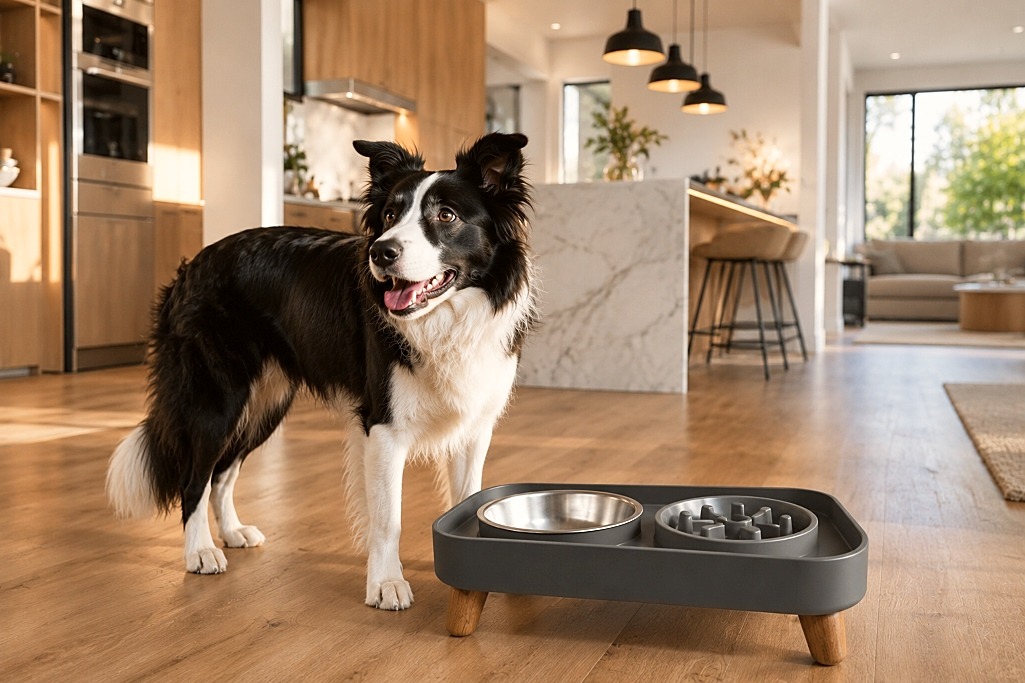
Feeding smaller meals using a slow-feeder bowl will also reduce the need to take in extra air. A relaxed post-meal routine will help avoid Puppy hiccups after eating and encourage healthy Pet nutrition. Don’t scare your dog or perform weird internet tricks, as they rarely work and may add Dog stress instead of fixing the problem.
How Long Do Dog Hiccups Last?
Most episodes are only a few seconds or some minutes long before they just vanish. How long do dog hiccups last? If you have wondered, the answer depends on the culprit. Excitement hiccups typically don’t last long, but digestive hiccups can linger a little before they gradually disappear.
Occasional hiccups are usually nothing to worry about. Persistent hiccups for several hours or repeated frequent hiccups over many days do warrant closer attention. It is very helpful to keep track of when they occur, how long they last, and what you were doing at the time. Once you have some useful patterns, go see a doctor.
| Situation | Typical Duration | What You Should Do |
| After eating or drinking | A few minutes | Allow quiet rest and slower breathing |
| After excitement or play | Several minutes | Let your dog calm down naturally |
| Lasting for hours | Unusual | Contact your Veterinarian |
| Repeating every day | Not typical | Schedule a health examination |
When Should You Call a Veterinarian?
Hiccups generally are harmless, but there are some situations when you should never ignore them. If your dog is suffering from Difficulty breathing, severe coughing, wheezing, or repeated vomiting, you need Immediate Veterinary care. These signs could indicate issues more than regular hiccups and should be properly assessed by a medical professional.
Long-lasting hiccups, along with fatigue, poor eating, or obvious discomfort, also warrant professional evaluation. Sometimes conditions affecting the digestive tract, chest, or nervous system mimic ordinary hiccups. Getting it diagnosed early helps to rule out Gastrointestinal disorders, Respiratory issues, or problems with the Nervous system before they get worse and protects your dog’s long-term health.
Your vet may ask about your dog’s recent eating habits, exercise levels, and medical history before suggesting tests. Note changes in your dog’s appetite or when hiccups occur (eg, dog hiccups and coughing or dog hiccups and vomiting ). This can help speed up diagnosis. When an underlying illness is found, close observation enables the appropriate Dog treatment to begin promptly.
How to Prevent Dog Hiccups
Prevention starts with the simple daily habits of healthy breathing and digestion. Eating smaller portions, eating more slowly and drinking fresh water throughout the day reduce the chances of swallowing too much air. Regular routines also benefit your dog’s digestive health and reduce the unnecessary strain on your dog’s body.
Helping to keep your dog calm at mealtimes is just as good. Too much exercise immediately after eating can cause heavy panting, which can contribute to hiccups. A balanced dog food plan, a comfortable dog environment, and less dog excitement all support long-term animal health and overall pet health.
| Prevention Tip | Why It Helps |
| Feed smaller meals | Reduces swallowing excess air |
| Use a slow-feeder bowl | Encourages slower eating |
| Offer water regularly | Supports normal digestion |
| Avoid vigorous exercise after meals | Prevents heavy panting |
| Maintain a consistent routine | Reduces stress-related hiccups |
FAQs:
What can be mistaken for hiccups in dogs?
- Reverse sneezing, which causes rapid snorting sounds.
- Coughing from throat or respiratory irritation.
- Gagging due to something stuck in the throat.
- Mild muscle spasms affecting the chest.
- Breathing problems that require veterinary attention if persistent.
What do hiccups look like in a dog?
- Small, rhythmic chest or belly movements.
- Brief, repeated body jerks.
- A slight head or neck twitch.
- Normal behaviour between hiccups.
- Episodes usually last only a few minutes.
What do dog hiccups sound like?
- A soft “hic” or gentle clicking sound.
- Quiet, repeated squeaks or tiny chirps.
- Short sounds that match chest contractions.
- Usually much softer than human hiccups.
- The sound often disappears once the hiccups stop.
How do dogs say “I love you”?
- They maintain gentle eye contact with you.
- They wag their tail in a relaxed way.
- They lean against you or stay close.
- They bring you their favourite toy.
- They follow you around because they enjoy your company
Conclusion
Understanding dog hiccups will help you stay calm and make better decisions for your furry friend. While most hiccups are harmless, it’s still a good idea to keep an eye on your dog’s health, help them have healthy digestion, and see a vet if the symptoms continue to protect your dog’s health. And with proper care, your pet can stay happy, healthy, and comfortable.
