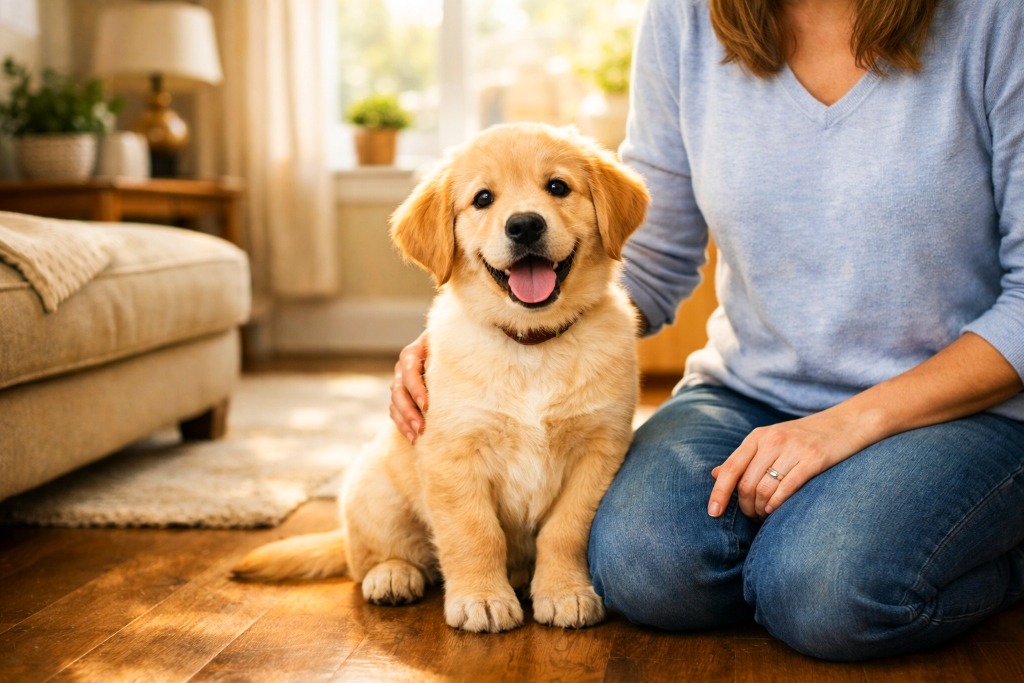
Dog Obedience Training helps dogs learn good behavior, follow commands, and build a strong and trusting relationship with their owners through proper guidance and daily practice.
Imagine you brought a lively puppy into your home, which is full of curiosity, energy, and a little chaos. Every time he chews your shoes and runs across the living room, remind him that while love is abundant, guidance is essential as well. At this point, Dog Obedience Training becomes a game-changer. This not only teaches commands such as sit and come, but also builds trust, clear communication, and a lifelong bond between you and your furry companion.
What Is Dog Obedience Training?

Dog obedience training teaches a dog to understand clear prompts and behave properly in everyday life. It’s not just about learning tricks—first of all, it begins with basic skills focus and socialization, and gradually moves to fundamental commands such as “Stay” and “Come.” using awards like treats, praise, or play helps build trust, reduces stress, and keeps the dogs mentally active. Regular, consistent training makes a dog more trustworthy, giving it stronger freedom and safer, happier interactions with people and its surroundings.
Importance of Obedience Training for Dogs
Dog training is very important because it helps dogs understand commands and behave appropriately. It strengthens the bond between the owner and the pet while helping avoid common behavioral problems such as jumping and leash-pulling. In the end, a well-trained dog is relaxed, more confident, and easier to include in daily activities.
How Training Improves Your Bond With Your Dog
Dog obedience training creates a special language between you and your dog, turning Perplexity into clear communication. This Regular training helps your dog feel more reliable, improves your signals, and makes daily activities like walks more entertaining.
Positive Reinforcement vs Punishment in Dog Obedience Training
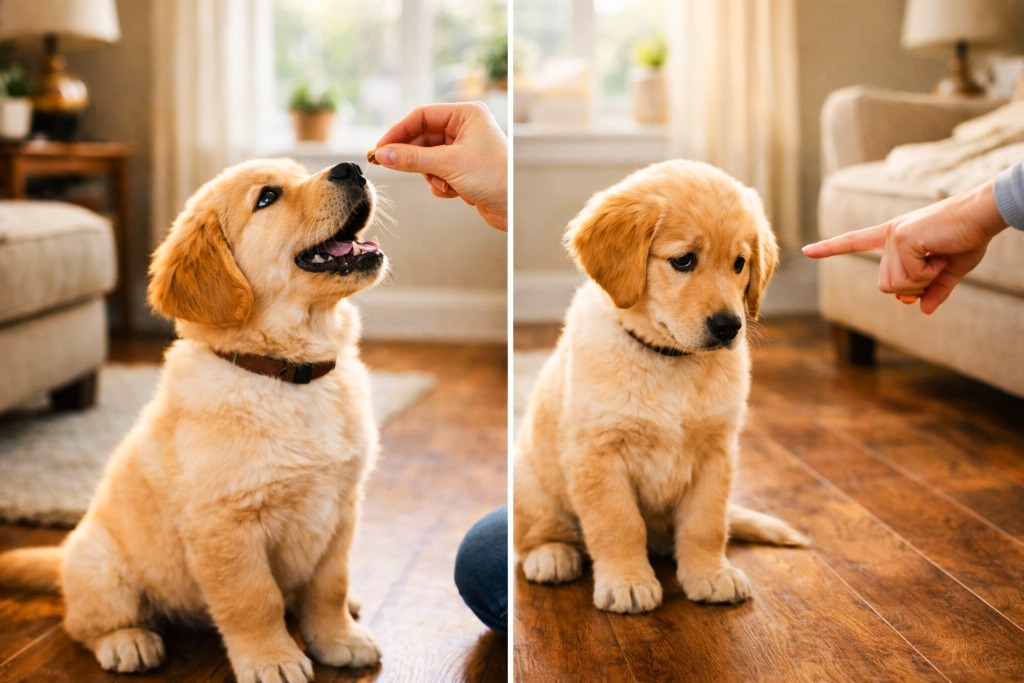
Positive reinforcement uses rewards like treats, praise, or play to encourage good behaviour, building trust, and teaches the dog, unlike punishment, which can create fear and anxiety. It teaches the dog what to do.
When to Start Training Your Dog
Dog obedience training should start as soon as possible when a dog joins your home; their age doesn’t matter. Puppies are naturally curious and eager to learn, but adult dogs can benefit as much because their focus is often better. Start training immediately, whether with a young puppy, create good habits, avoid behavioral problems, or build a strong bond between you and your pet based on belief and clear communication.
Best Age to Start Training a Puppy
The best age to begin training a puppy is 8 weeks, which is the time when they come into your home. At this moment, puppies are like little absorbent pads; they are ready to learn essential commands such as Sit, Stay, and Down.
Can Older Dogs Learn Obedience Training?
Yes, dogs can learn at any age, and adults have better attention than puppies. Although changing old habits always demands patience, they respond well to short, 5–10 minute sessions of positive reinforcement. These mental exercises help keep adult dogs sharp, happy, and well-behaved.
Essential Dog Obedience Training Methods & Tools
Effective dog obedience training works best when you reward your dog for positive behavior. Small rewards—think treats, enthusiastic words, or a favorite plaything—can be a real incentive for your dog. Training aids, such as leashes, clickers, and crates, are equally vital; they offer the framework essential for consistent and secure training. To truly succeed, it’s crucial to know how to select the most effective rewards for your canine companion, a topic we’ll explore further in the following section.
Choosing the Right Dog Treats for Training
You can use small, delicious treats such as pieces of cheese or chicken to keep your dog engaged during training.
The best rewards are soft and bite-sized, so dogs can eat them swiftly and stay attentive to the next instruction. Just remember to keep the amount of treats low so they don’t eat too much—about 10% of your dog’s daily calories—so that your dog will also be healthy while developing skills.
How to Start Potty Training at Home
Potty training should start immediately, and take your dog to a fixed outdoor place according to their schedule. Supervise them closely and praise them when they move it to the correct place. By keeping an eye on signs of restlessness and maintaining a strict routine, you can maintain the good habit of cleaning your house.
Basic Commands Every Dog Should Learn in Dog Obedience Training.
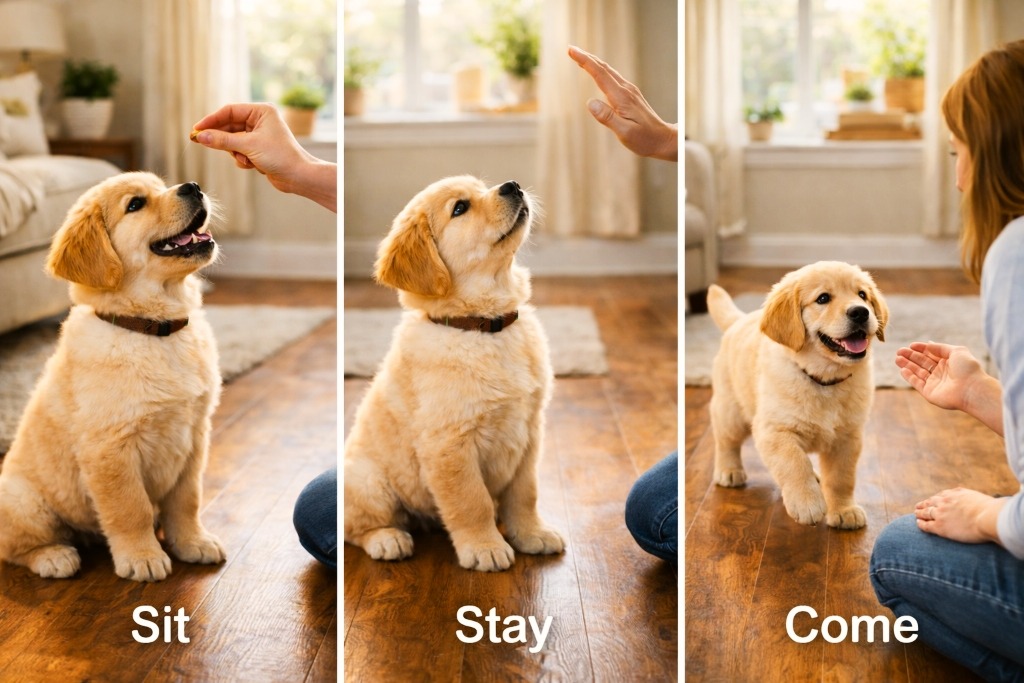
Important commands like sit and down help your dog learn to stay calm and lie down comfortably, making them especially useful for vet visits and meal times. The stay command teaches your dog to remain in one place until you allow them to go.“So that it doesn’t” run out of open doors or into traffic. Come, the most important command, also called recall, is an essential safety skill that trains your dog to return to you immediately, no matter what the distractions.
Solving Common Behavior Problems: (Handling Aggression and Distractions)
Aggression and interruptions frequently complicate dog training. A dog might display aggression through growling, snapping, or lunging, usually stemming from fear, anxiety, or a desire to protect its territory. Furthermore, distractions such as other dogs, unfamiliar people, or sudden loud sounds can significantly hinder a dog’s ability to focus.
The key to success is positive reinforcement and progressive exposure. Praise your dog for calm and controlled behaviour. If they show aggression or get distracted, for serious conflict, it’s best to consult a professional trainer or behavior therapist. Regular practices in safe, controlled environments help your dog stay alert, build confidence, and develop better behavior over time.
Tips for Training Success: Keeping Sessions Short, Fun, and Consistent
Keep those dog obedience training sessions brief, maybe five to ten minutes tops, and packed with enthusiasm. This prevents your dog from zoning out or getting upset. Consistency is key: use the same words and gestures each time. This approach speeds up your dog’s training. Always complete with a positive comment. Ending with a treat or praise changes training into a rewarding experience, facilitating a bond rather than a burden.
Faq section
What are the five golden rules of dog obedience training?
Be Consistent: Always use the same gestures and commands so that the dog does not get confused.
Positive Reinforcement: If your dog is doing a good job, appreciate them with treats and focus on a prize rather than punishment.
Keep it Short & Fun: Training sessions should be 5 to 10 minutes so the dog does not get bored.
Patience is Key: Always be calm rather than aggressive because a dog is trained.
Proofing: You should not only practice your dog inside the house, but also in popular places, so that your dog agrees with you.
What are common dog obedience training mistakes?
These are some common mistakes that people often make during training.
1. Inconsistency
2. Long Training Sessions
3. Punishing Instead of Teaching
4. Expecting Results Too Quickly
5. Ignoring Timing of Rewards
What is “I love you” in dog language?
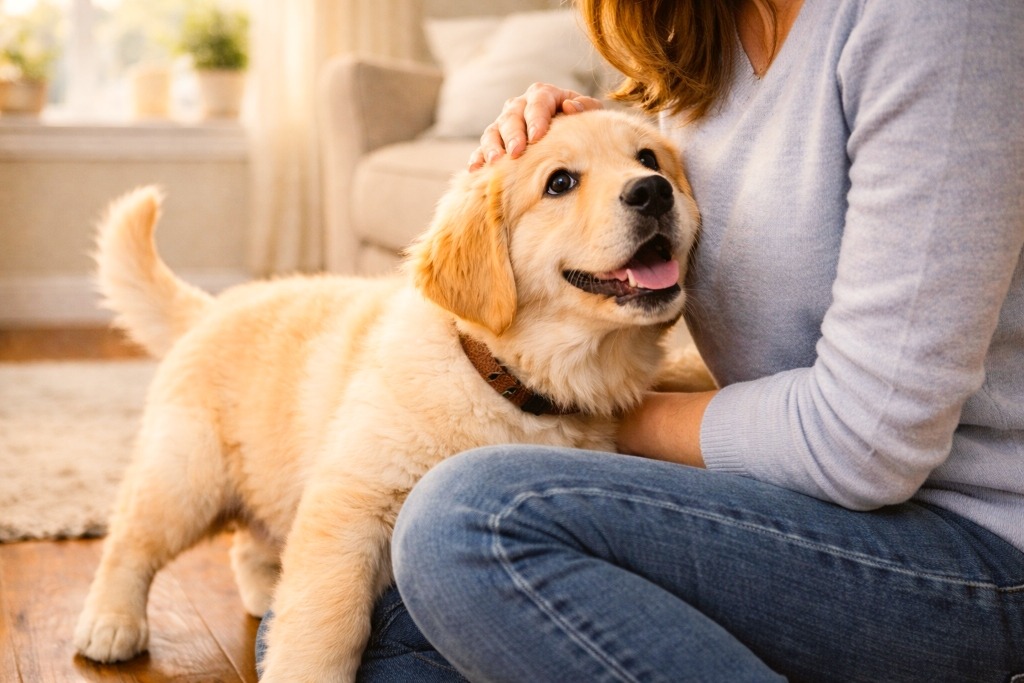
Dogs express their affection in a few key ways: they lean against you, a weighty presence, and maintain soft, steady eye contact, a sure sign of trust. They’ll also bring you their most prized possessions, their toys, and greet you with a full-body wag, a clear signal of their excitement.
You can reciprocate this love with gentle ear rubs and a calm, encouraging tone, strengthening the connection between you.
Conclusion
Successful Dog Obedience Training is not a time task. It’s a journey with you and your loyal friend. This article covers everything, which includes consistent sessions, rewarding good behavior, and practicing patience.
By following all steps, you can shape your dog into a well-mannered, confident, and joyful companion. This article is best for beginners because it covers basic concepts and guidelines essential for early dog training.
