Dog psychology explores how dogs think, feel, learn, and respond to the world around them. For thousands of years, dogs have lived with human beings, but even today, their mind and behaviour feels like a puzzle. Your dog sees you quietly at one moment, but the next, he runs into the courtyard behind your tail. Dog Psychology helps us understand the reasons for these interesting behaviours. Because this shows how dogs think and feel, they show certain reactions under different conditions and maintain their associations with humans and other animals.
The deep research on canine Psychology and dog behaviour science reveals that dogs are intelligent, social and emotional creatures. They have a strong memory, a unique personality, and the ability to understand their surroundings. Their behaviour is affected by instinctive nature, life experience and environment. When you start to understand dog psychology, many of their actions and reactions become far clearer and more meaningful to you than ever before.
How Dogs Think and Process Information
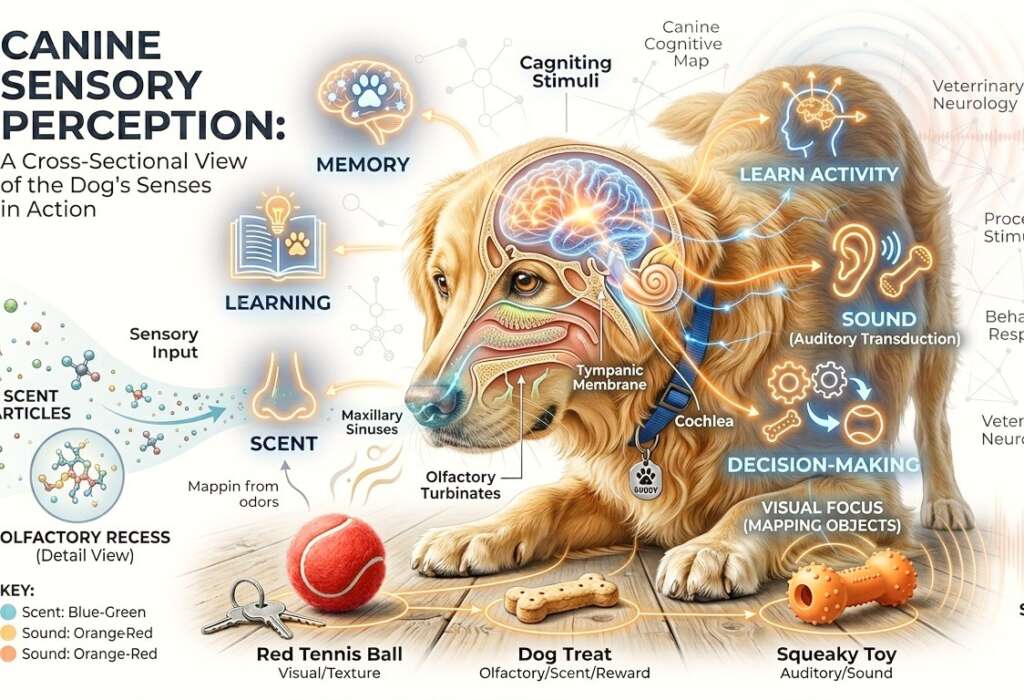
Dogs’ minds act and perceive information differently from humans. Dogs learn many things from different situations and experiences because they see daily life activities in a noticeable manner and estimate, based on repeated incidents, what is next. This reaction becomes the basis of dog cognition, canine cognition, and dog memory and learning.
Experts’ research on dog cognition and intelligence shows that they learn continuously from the environment. They associate fragrance, voices, and visible things with the experience, which is exactly why ordinary ability helps them to learn new responses.
Do Dogs Think Like Humans
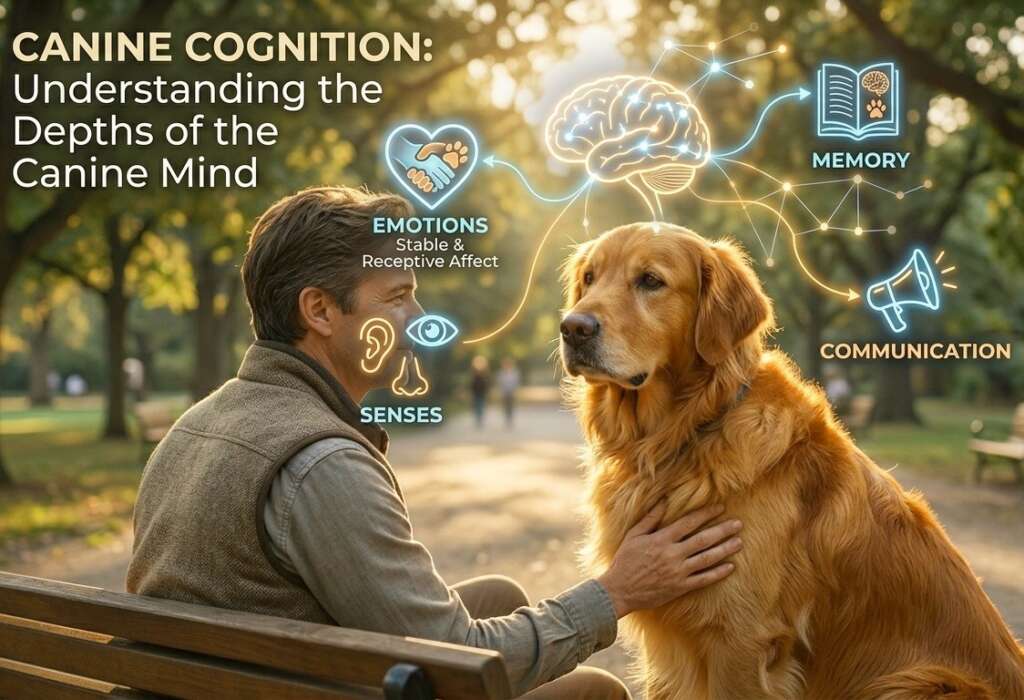
Dogs do not think like humans because they cannot engage in long-term planning and analysis through language. Therefore, they feel emotions and make solutions to simple problems. Many people want to know how dogs feel human emotions, and studies confirm that dogs detect human expressions and the tone of voice. They react differently to happiness and sadness. Therefore, this ability to feel and understand plays an important role in building a strong bond with humans.
How Dogs Learn Through Association, according to dog psychology
Association is a powerful learning system in dogs. When the dog sits, and you give praise, the dog’s brain associates that with positive outcomes. This is the basis of the theory of canine learning and dog learning behaviour. Your dog hears the leash voice and gets excited because he thinks it is time for a fun walk. These repeated associations and activities influence day-to-day actions in shaping the behavioural development of the dog.
How Dogs Make Decisions in Dog Psychology
Decisions made by dogs are made based on their instinct, experience, and environment. Hunger, fear, curiosity, and joy affect the choices they make. In case the dog was mistreated while with other dogs, he will choose not to be around people. Instinct, emotions, and experience are linked to its powerful decision-making capabilities.
How Dogs Perceive the World in Dog Psychology
Dogs perceive their surroundings with senses which are totally different from humans. Their sense of vision and smell play an important role in understanding the world. This unique sensory system shapes the way they respond in different situations. Dogs’ senses detect many things that are often hidden from human senses.
For example, a lingering scent from several hours ago tells the dog who was there what their emotional state was and even whether another animal was nearby.
| Human Sense | Dog’s Ability |
| Smell | Up to 100,000 times stronger |
| Hearing | Detects higher frequencies |
| Vision | Better at noticing movement |
| Social Recognition | Strongly scent-based |
How Dogs Use Their Sense of Smell according to dog psychology
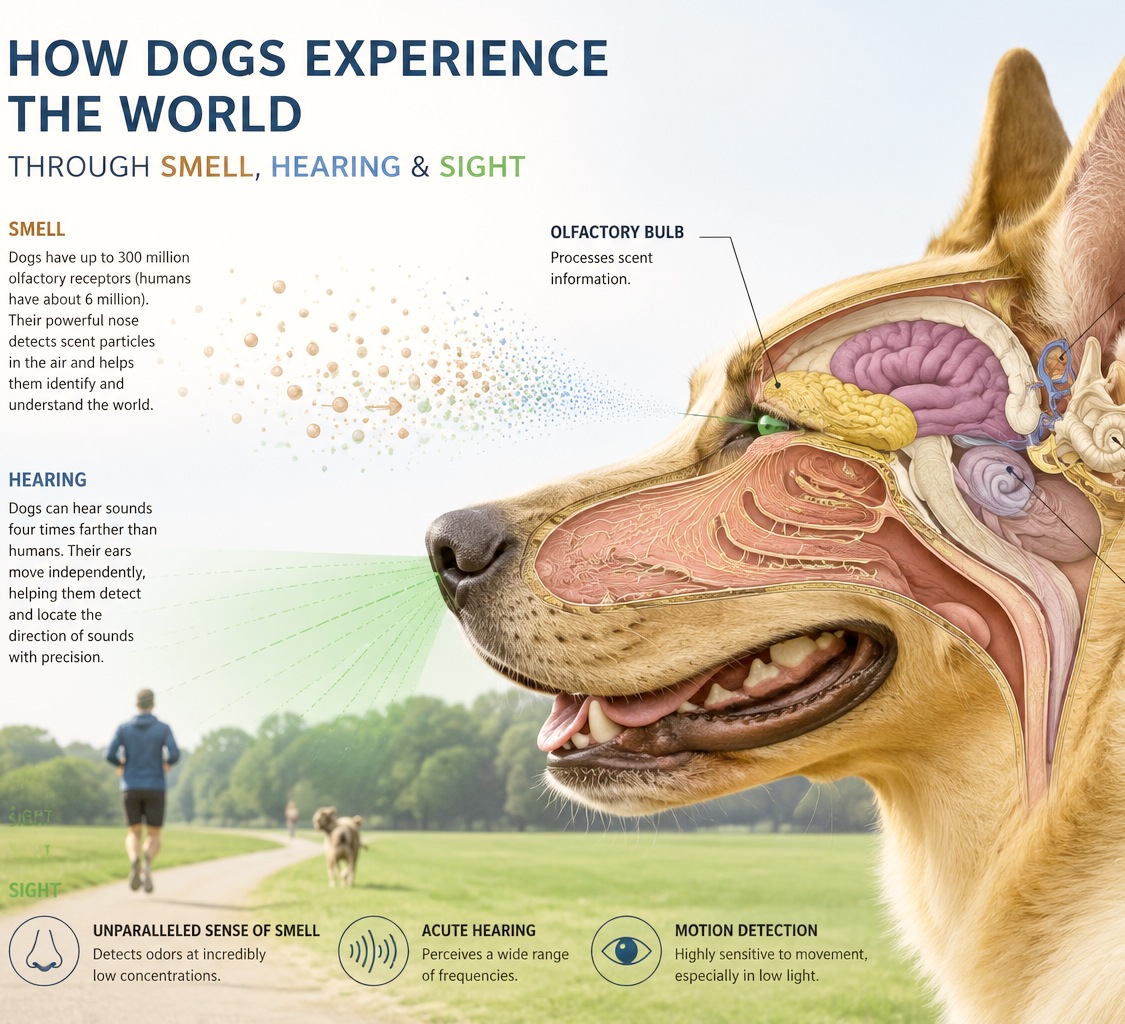
The dog’s nose is an elaborate system through which they recognize people and all kinds of information. The dog’s nose has a significant function in communication with other dogs and even humans. The highly developed olfactory senses in dogs account for the reason why they keep smelling visitors again and again and pay attention to everything on a tour. This is part of their evolutionary process.
How Dogs See and Hear Their Environment according to dog psychology
Dogs do not see the world in the same colours as humans. Their ability to recognise colours is limited, but they have an extraordinary ability to perceive movement, even a small sign. Their auditory power is very strong, and they hear voices which are not noticeable by humans. This extraordinary sensory awareness shapes dog communication and body language, environmental responses, and social interactions. The voice is not significant to humans, but dogs noticeably perceive it.
Factors That Shape Dog Psychology
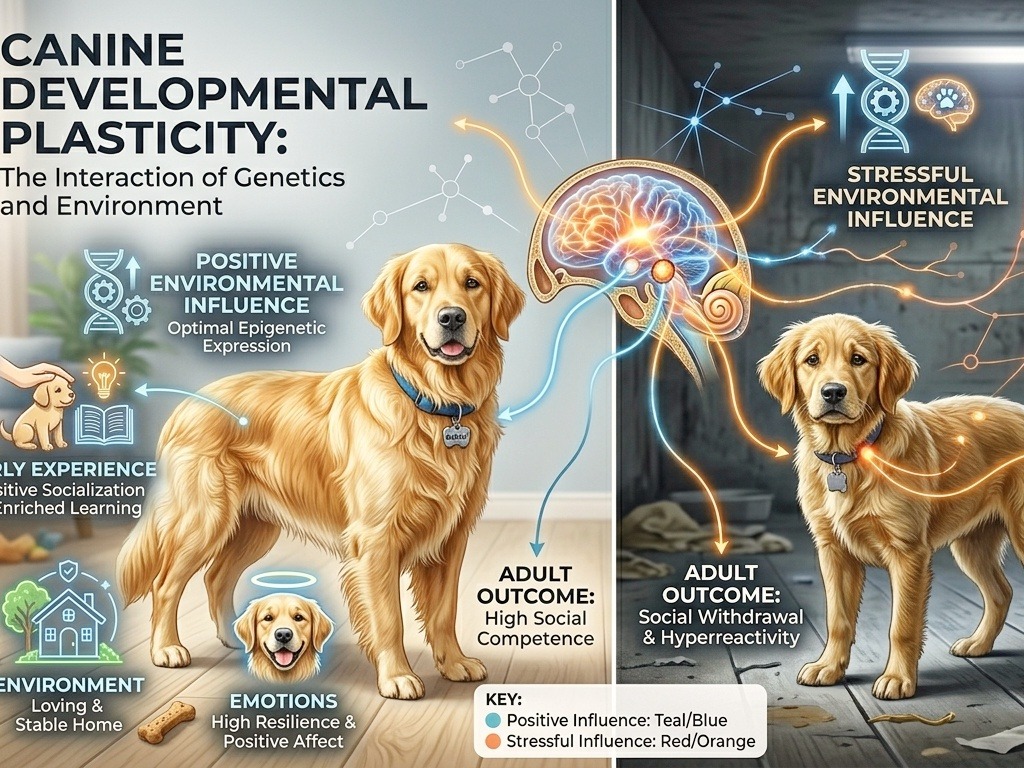
The personality of every dog develops from heredity and life experiences. The combinations of these two factors influence their personality, emotional resilience, and social confidence. That’s why two dogs of the same genetics show different behaviours.
The researchers and psychologists agreed that the initial stages and environment affect the whole life of dogs.
Genetics and Breed Characteristics
However, in various breeds, some features are genetically determined and shape dogs’ characters. For instance, herding dogs respond to motion, whereas guard dogs possess an innate protective trait towards their family members. Some genetic features influence a dog’s temperament, emotions and energy levels. Nevertheless, they do not define its behaviour fully.
Early Socialisation and Experiences
The first months play a crucial role in terms of studying a dog’s psyche. Experiences gained during that period of life influence self-confidence and social skills. On one hand, positive experiences will make the puppy more amiable and curious. On the other hand, a bad experience can cause fear and stress.
Dog Psychology Before Dog Training

Knowing how to identify emotions and motivation should be done before teaching any commands. Good psychology and training for a dog includes not only learning but also emotional satisfaction. Dogs become better learners if they are comfortable and motivated. Emotion is one of the major factors which affect a dog’s ability to learn. A scared dog cannot focus on what happens its attention goes towards survival issues.
First, understanding psychology helps to develop an emotional connection and learning. The reward triggers positive emotions and motivates one to repeat the action. Each dog has a personal preference in rewards – food, verbal praise, playing with a toy, social contact, etc. The motivational factor gives the right advice to improve the dog’s behaviour and use appropriate training techniques. Often, owners miss the emotional state of their dogs. They think that dogs should obey immediately, so they punish them for their disobedience.
Conclusion
Dog psychology will give you an insight into how your dog sees the world. Through understanding your dog, you’ll be able to know what it thinks, feels and does. This will help you develop effective communication and build a relationship with your dog. Dogs are different from one another, and patience is the way to go.
FAQs
What is the concept of dog psychology?
Dog psychology is the study of how dogs think, feel, learn, and behave by examining the instincts, emotions, experiences, and environmental factors that shape their actions.
Do dogs dream about their owners?
While it cannot be proven exactly what dogs dream about, sleep research suggests that dogs likely dream about familiar experiences and important people in their lives, including their owners.
What smell do dogs hate the most?
Most dogs strongly dislike powerful citrus scents such as lemon, orange, and grapefruit because their highly sensitive noses find these smells overwhelmingly intense and irritating.
