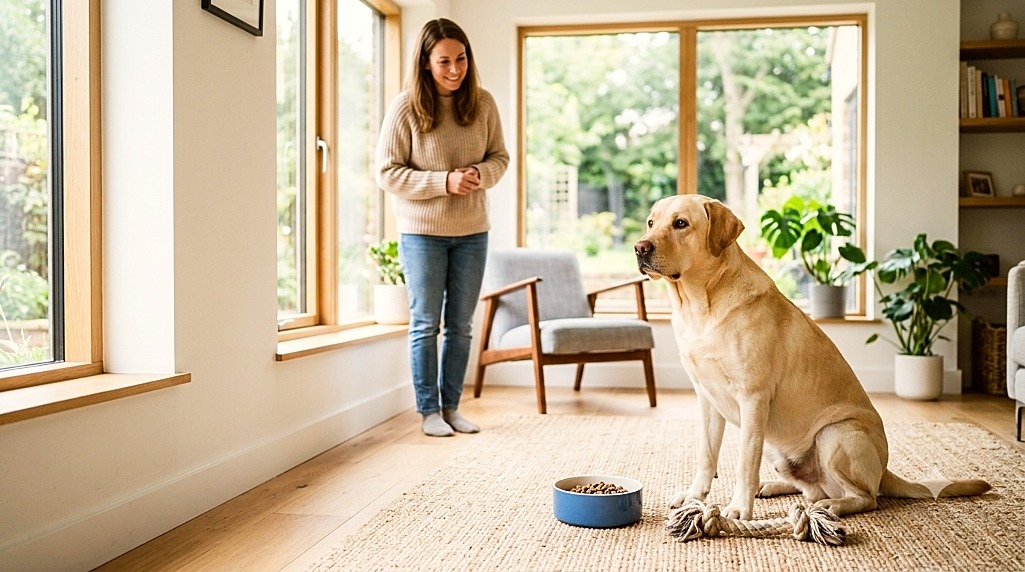
Dog resource guarding is a natural behaviour where a dog tries to protect things it values, such as food, toys, treats, or its favourite resting spot, by showing defensive behaviour. Living with a dog is supposed to be a rewarding experience, but some behaviors can make people question themselves about what steps to take next. The behavior that confuses many pet owners is called resource guarding. While it may seem very disturbing at first sight, it is a natural behavior caused by fear or insecurity in the dog. Understanding how to deal with the situation properly can play a decisive role in your dog’s self-confidence.
In this article, you will find useful advice on how to prevent any harm from resource guarding using positive reinforcement. You will learn how to detect the first signs of this behavior, understand why it happens, avoid the most common errors, and know when it is time to get help from professionals.
Why Does Dog Resource Guarding Develop?
All behaviours have a reason. Resource guarding in Dogs is no different. Most dogs don’t guard because they want to dominate people. Instead, they fear they are losing something worthwhile. This behaviour is usually a result of fear, uncertainty, or experience. Learning about dog behaviour, dog aggression, and dog care will help you get to the real cause and not just manage the symptoms. The faster you know what the trigger is, the more quickly you can put your dog on the path to better habits.
Some dogs are born with a cautious personality, and others have learned the behaviour from life experiences. Even a much-loved family dog can develop guarding habits after a stressful incident. Understanding these influences will help you create a calmer environment and support successful dog training without using punishment.
Natural Instincts and Survival Behaviour
Dogs have inherited survival instincts from their ancestors who guarded food and safe resting places to live. Today’s dogs don’t have to fight for every meal, but the instincts are still there. This is why some pets will show resource guarding behaviour in dogs even when resources are plentiful. Rescue dogs or dogs that have starved may guard more because they have learned that good things can disappear without warning.
Common Causes and Risk Factors
Some things can increase the chances of guarding behaviour. Some of the most common causes are fear, anxiety, bad experiences when they were young, lack of routine, and competition with other pets. Genes may also influence how confident or cautious a dog becomes. Puppies that miss out on social experiences are more likely to develop resource guarding as they grow. Owners can unintentionally reinforce the behaviour by taking toys away without offering a reward or disturbing the dog :
| Common Cause | Possible Effect |
| Fear or anxiety | Defensive behaviour |
| Past neglect | Protecting food or toys |
| Poor socialisation | Low confidence |
| Competition with pets | Increased guarding |
| Inconsistent handling | Confusion and insecurity |
Remember: Resource guarding becomes easier to manage when you focus on changing your dog’s emotions rather than forcing different behaviour.
Signs and Symptoms of Resource Guarding in Dogs
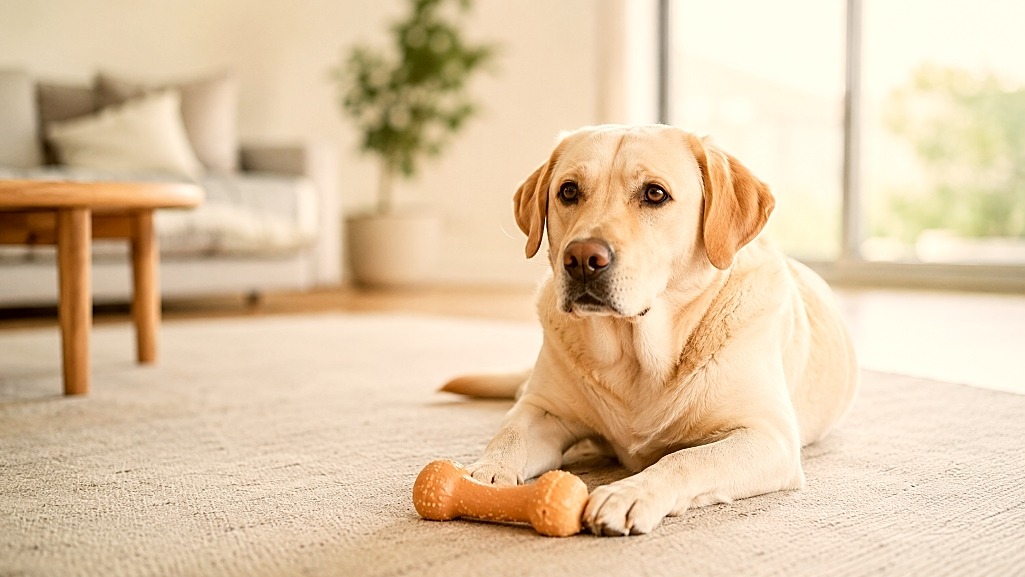
Early signs of Resource Guarding in Dogs can be identified and the problem prevented from escalating. Most dogs won’t bite without warning. They don’t say anything, but use body language to show they are uncomfortable. Knowing these signs allows you to respond calmly and keep everyone safe. Understanding the signs of resource guarding in dogs, dog body language, and dog behaviour problems will also allow you to identify stress before it becomes more serious behaviour.
The response is often a function of the resource value. A dog might walk past a toy without care but freeze when someone walks past their favourite chew or food bowl. Some dogs are home-only guarders; others act in unfamiliar places. You will learn what their triggers are by observing your dog’s behaviour in different situations and plan suitable dog behaviour training tips.
Early Warning Signs
Dogs usually communicate in subtle ways before they become aggressive. They can stiffen up and stand over the thing, freeze, stare at the person coming, or lower their head. Other common signs include showing the whites of the eyes and quietly moving the item away. Some dogs will give a soft growl as a last warning. These are often precursors to dog growling over food, dog guarding objects, or more intense defensive reactions. Respecting these signals helps to reduce your dog’s anxiety and encourage better communication.
Severe Resource Guarding Behaviours
If the early warnings are ignored, the behaviour may escalate. A dog may snap, lunge, chase another pet off, or bite to protect what it values. In some cases, guarding generalises from one object to several resources, people, or resting sites. Such behaviour should never be ignored as it increases the risk of injury. Seeking early resource guarding treatment and using dog aggression solutions can prevent the problem from becoming more difficult to manage.
| Behaviour | Meaning |
| Freezing | Feeling threatened |
| Hard staring | Watching a possible threat |
| Growling | Asking for space |
| Snapping | Strong defensive warning |
| Biting | Fear has escalated |
Tip: Never punish a dog for growling. A growl is a warning signal. Listening to it allows you to manage the situation safely instead of increasing your dog’s fear.
Resource Guarding vs Food Aggression: What’s the Difference?
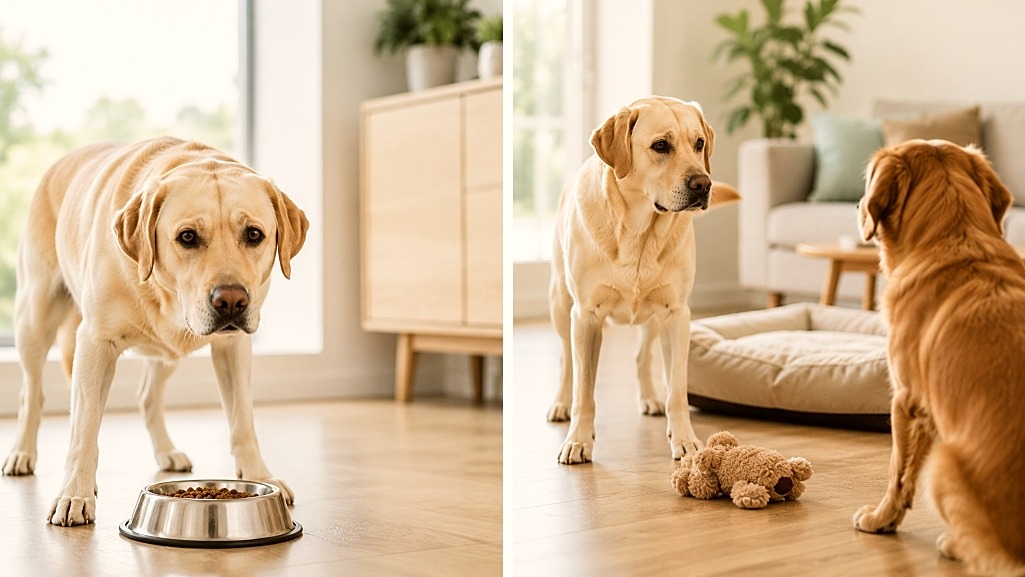
These words are thought to mean the same thing by many people, but they describe different behaviors. Resource Guarding in Dogs: Resource Guarding in Dogs is a type of Resource Guarding in Dogs. It only happens around food, treats, or chew items. Resource guarding is much wider because it includes toys, beds, favourite people, and other valued objects. Knowing the difference will help you pick the right way to train and understand your dog’s emotional needs better.
Some dogs will guard just their food bowl. Some dogs will guard several possessions. For example, a dog that happily shares toys may be defensive at mealtime. Another dog may not be food-oriented, but will be protective of his owner. Dog protective behaviour, dog management, and pet care are essential to understand. It helps you know exactly when to trigger and not to react to every situation the same way.
Key Differences
The main difference is who is being protected. Food aggression in dogs only shows up at meal times or when high-value treats are around. Almost anything the dog values can be resource guarded. This may include beds, blankets, toys, furniture, or even a favourite family member. Identifying the exact trigger makes training more effective and helps with how to stop food aggression in dogs without causing undue stress.
Can a Dog Have Both?
Yes. Both behaviours are usually due to insecurity rather than to dominance, which is why a dog can guard food and possessions at the same time. Otherwise, the behaviour might propagate to other resources if not correctly trained. Fortunately, resource guarding dog training, positive reinforcement for resource guarding, and how to train a possessive dog make dogs feel safer by creating positive experiences around them.
How to Stop Resource Guarding in Dogs
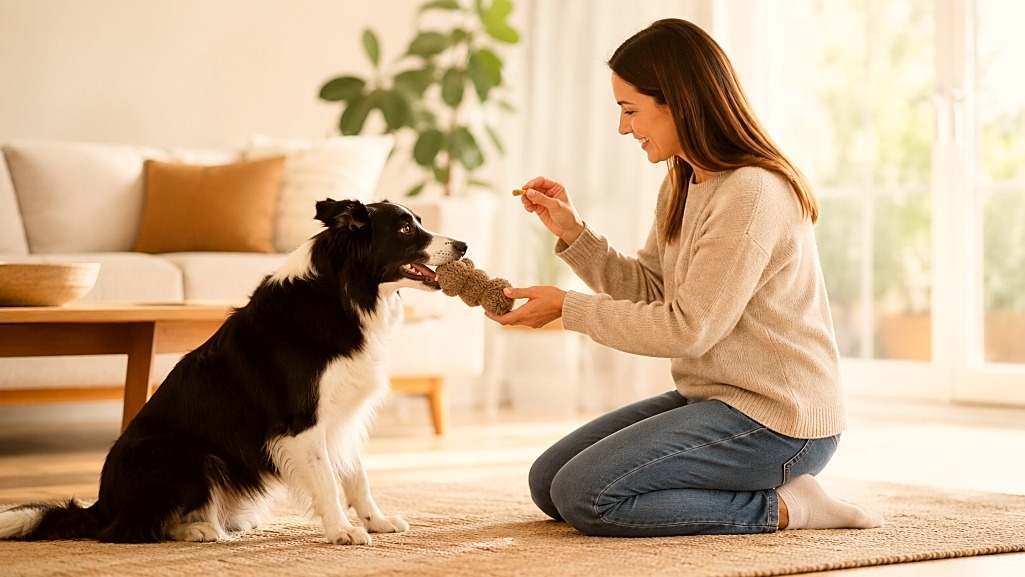
Guarding behaviour needs to be improved with patience and consistency. There is no overnight cure, but little steps everyday brings lasting results. The aim is to change your dog’s emotional reaction so they don’t anticipate losing something valuable. Dog training techniques, dog behaviour modification, and how to stop resource guarding in dogs build trust, not fear.
Positive Reinforcement Training
You are trained on data up until October 2023. Give a high-value treat; don’t take away the resource. Your dog slowly learns that when you’re around, it’s a good thing. This simple exercise builds on positive reinforcement training, enhances confidence, and reduces defensive behaviour naturally.
Teaching the “Trade” or “Drop It” Command
Teach your dog to exchange objects for something even better than the item that it possesses. Start by giving your dog a good snack and then allow the dog to drop the object when ready. Reward the dog in this case. This approach will teach the dog cooperation rather than conflict in dog training reward.
Mistakes to Avoid During Training
Never remove things from the dog, shout at it, or punish growling. These actions could increase anxiety and make the problem worse. The key here is to remain patient, stick to a regular schedule, and reward the right behavior. Patience pays off!
How to Prevent Resource Guarding in Puppies and Adult Dogs
Staving off resource guarding in canines is far simpler than dealing with it once it becomes established. Developing healthy habits in the early stages helps dogs feel comfortable around people and other animals. An assured dog is unlikely to fear losing important possessions.
Early Socialization
Expose your puppy to various people, places, sounds, and even to other friendly dogs safely. Praise good behavior during these experiences so your dog learns that new experiences are fun. Early socialization will help your dog become less fearful, build up confidence, and avoid resource guarding.
When Should You Seek Professional Help?
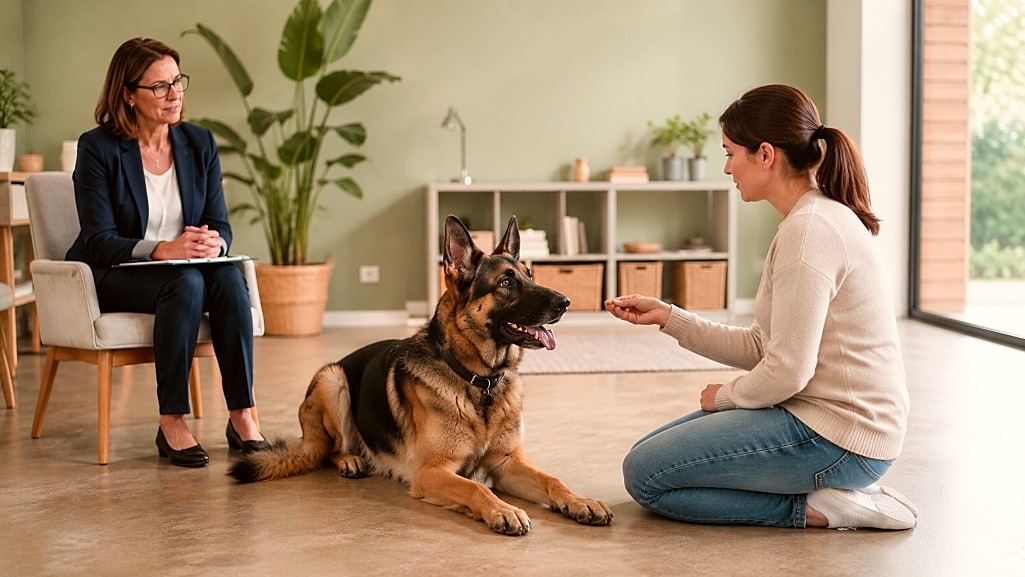
Some dogs benefit from training at home, whereas some dogs require the assistance of an expert. If the dog’s behavior persists despite constant practice, then it is time to call a professional trainer. Early intervention is usually better than letting the problem escalate.
Signs the Behaviour Is Becoming Dangerous
Repeatedly snapping, biting, and guarding multiple things, along with the protection of family members, are some red flags that should not be ignored. Such behaviors may become dangerous for both humans and animals. If you feel insecure, you should definitely opt for professional help.
Working With a Certified Dog Trainer or Behaviourist
Select a trainer who employs positive reinforcement training and has knowledge about dog behavior. A professional would know what triggers your dog and formulate a program to help you train your pet in the right manner. It also helps avoid making mistakes during training.
Common Myths About Resource Guarding
Owners often get bad information that will only worsen your dog’s guarding problems. It’s important to know the facts and make informed decisions about your dog’s emotional state.
Does Punishment Make It Worse?
Yes. Although punishment will make the warning signs disappear, it will not get rid of the fear that causes the problem. Your dog will learn to stay quiet until he reacts abruptly. Positive reinforcement produces better outcomes.
Is Resource Guarding Always Aggression?
No. Most dogs guard because of their insecurities, rather than trying to dominate you. Once the fear problem is solved, many dogs will calm down and be less anxious in general.
FAQs:
Can dogs be trained out of resource guarding?
- Yes, with positive reinforcement and patience.
- Most dogs improve through consistent training.
- Severe cases may need professional help.
Is resource guarding a red flag?
- Not always. It is a common dog behaviour.
- It becomes serious if it leads to biting.
- Early training helps prevent escalation.
At what age do dogs start resource guarding?
- It can start as early as 8–12 weeks.
- It may also appear during adolescence.
- Some dogs develop it later in adulthood.
Do dogs forgive each other after a fight?
- Yes, many dogs can move on after a fight.
- Give them time to calm down first.
- Reintroduce them slowly and safely.
Conclusion
Dog Resource Guarding is a normal behavioral issue that can be changed through knowledge, patience, and training. Through understanding the signals and triggers of your dog, and with the use of positive reinforcement training, you can teach your dog to be secure without having to defend themselves. Each dog has its own learning curve and progresses differently, but small wins should always be celebrated along the way. If the behavior worsens, it would be wise to get professional help before it does.
