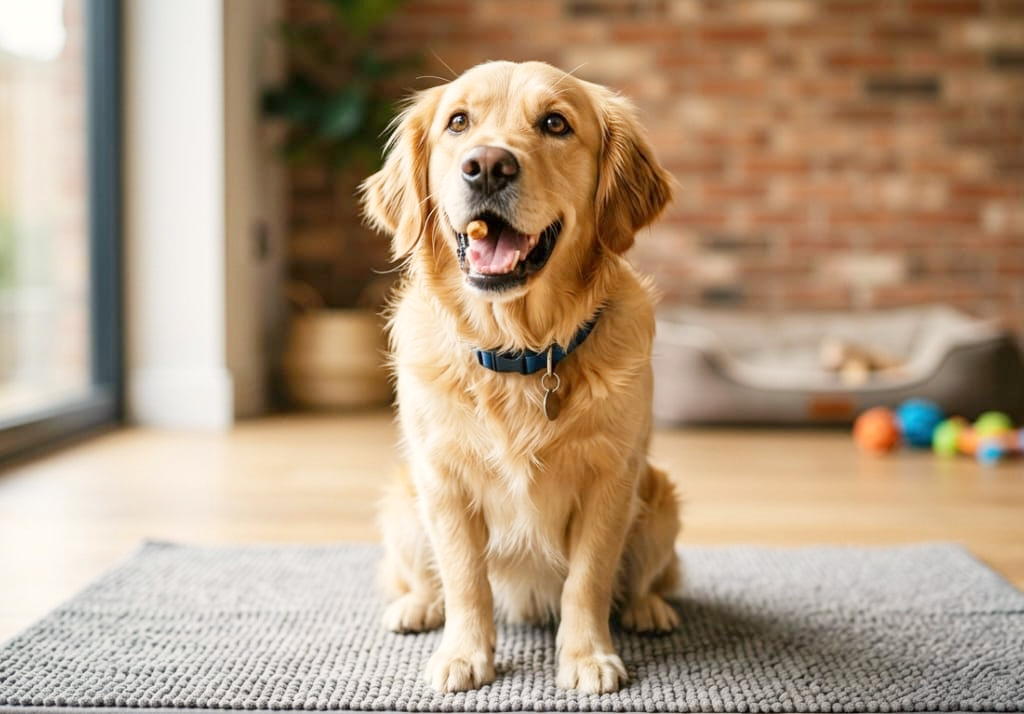
Dog training with treats builds trust, improves behavior, and makes learning easier for both puppies and adult dogs. Bringing a new puppy home is a source of immense happiness, but it can also feel a little chaotic. This is where crate training helps you create a calm and structured environment.
When you crate train your puppy, you provide it with a safe place. where it can sit and sleep comfortably. It also supports positive training methods. Positive reinforcement dog training, building trust through comfort. Many people see improvements in their daily routines when they use a smart training method.
For example, the crate helps you improve your puppy’s sleep, toilet habits, and anxiety. Over time, your puppy naturally starts to enjoy this space. This method is effective because dogs learn by connecting during training, and gentle reinforcement makes training easier and more predictable for both of you.
Why Dog Training with Treats Works & What Makes the Perfect Treat
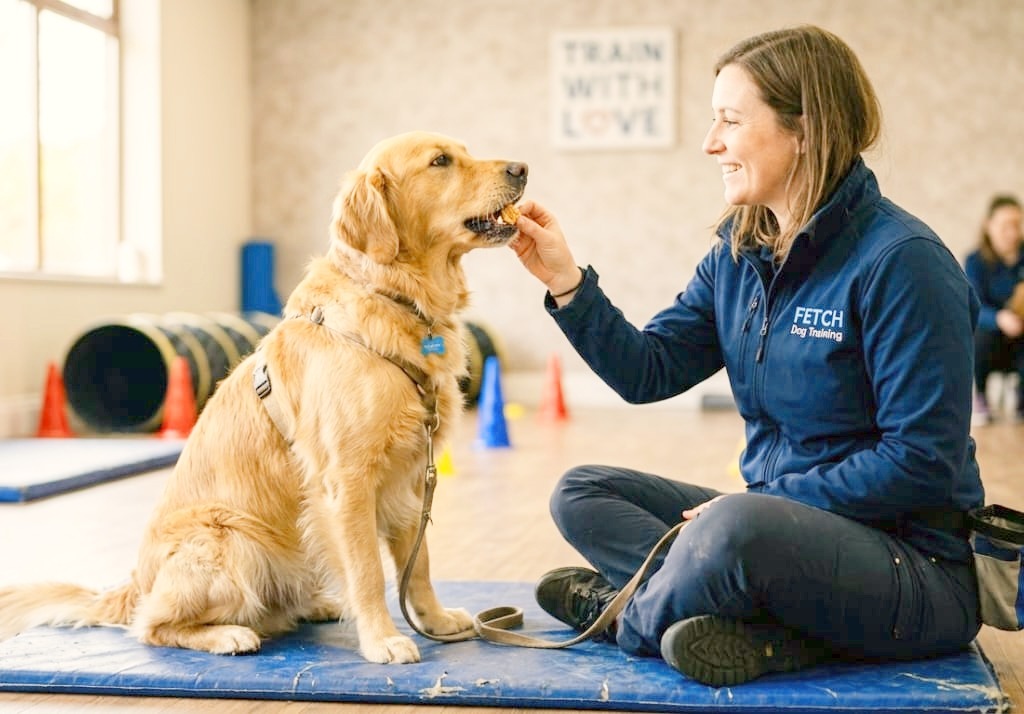
You may think about why food works so well. The reason lies in dog training psychology and their instincts. Dogs tend to repeat behaviors that are rewarded. This is the sign of positive reinforcement dog training. It improves trust rather than fear and strengthens association-based learning in dogs.
For example, when your dog sits and gets a treat, the dog’s mind connects that action with a reward. You are not forcing obedience but are actually improving its behavior through smart, carefully used training methods.
Not all the treats are equal. The truth is, the wrong treatment can affect your progress. Successful treat training is based on quality, not quantity. A good treat should motivate the dog while maintaining its focus. This balance enhances dog training techniques and makes sessions easy and consistent.
Also, treats should match your dog’s needs. Some dogs love strong smells, while some dogs prefer softer treats. Making a smart choice improves the dog’s attention and engagement.
And enhances learning rather than controlling it.
Size and texture, Nutritional value, in dog training with treats
Small treats keep training fast and clean. Soft-textured treats help with quick chewing. That means more practice during dog training with rewards. Nutritional value matters too. Healthy treats provide energy and help avoid weight gain. which keeps your dog motivated throughout different stages of learning.
Strong smell boosts attention instantly. Dogs depend mostly on their sense of smell. That is why high-value treats improve training dogs with a positive association. If you compare dry biscuits with fresh meat, the difference becomes obvious. High-quality treats produce better learning outcomes.
Types of Dog Training with Treats You Can Use
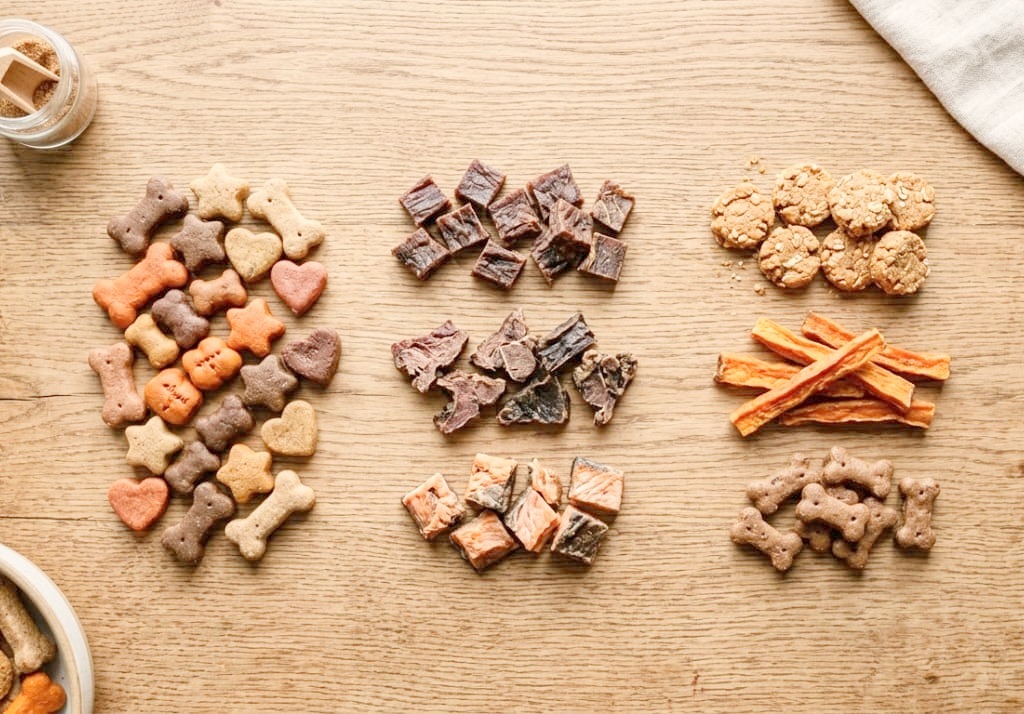
Variety will keep your dog interested. Using the same treat every day reduces excitement. Options are managed carefully by skilled trainers. This promotes effective dog training methods in boredom during dog reward training.
Natural treats, homemade goodies, or something from the store – they’re all useful. Each has its own role to play. Soft treats, for instance, are ideal for quick commands. Chewy ones work better for longer training sessions. This kind of flexibility actually boosts the effectiveness of your training techniques and keeps the dog interested.
| Treat Type | Best Use | Benefit |
| Soft treats | Quick commands | Fast eating |
| Natural meat | High-value reward | Strong motivation |
| Homemade snacks | Daily training | Healthy control |
Best Timing and Frequency for Giving Dog Training with Treats
In training, timing is crucial. You have to pay out right away. Your dog gets confused by even a brief delay. They might associate the reward with the incorrect behaviour.
For instance, reward your dog right away if they sit. Don’t wait.
This improves communication skills and fortifies dog obedience training methods. Consider it similar to taking a picture. For it to count, you have to record the precise moment.
Overindulging in sweets leads to dependency. Giving too little, however, hinders advancement. Balance is the aim. When learning the fundamentals of dog training, start with frequent rewards. Then gradually lower them over time.
Eventually, your dog will always react without anticipating food. When you switch from treats to praise, your habits become stronger.
How to Use Treats Effectively in Puppy Training
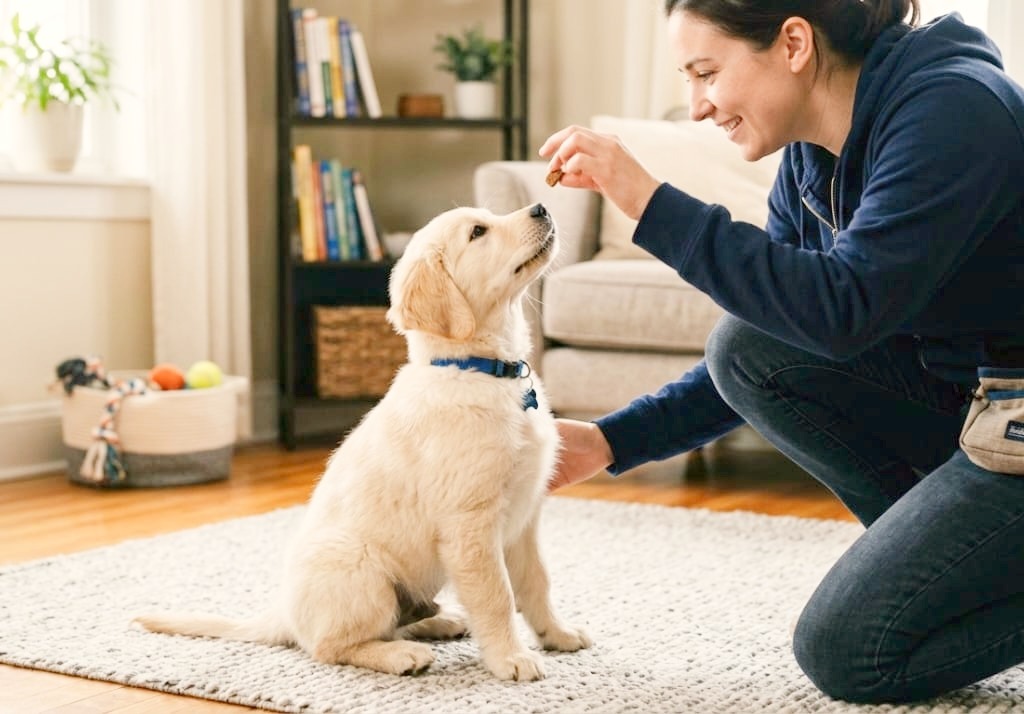
Many people misuse treats. They accidentally create bribery. Understanding reward and bribe dog training is crucial. A lure guides behavior. A reward follows success. A bribe appears before obedience.
You should start with luring. Then quickly move to rewarding. Avoid showing treats first. This keeps control in your hands. Combining this with physical placement in dog training improves results. It ensures your dog learns commands clearly.
Puppies learn fast. However, their attention span is short. That is why puppy training with treats works best in small sessions. Keep training fun and simple. This fosters early confidence.
Consider teaching “sit” with immediate rewards. Keep the sessions short but frequent. This approach encourages both consistency and patience. It also builds strong habits during early development, making future training easier.
Common mistakes in Dog Training with treats and How to Avoid Them
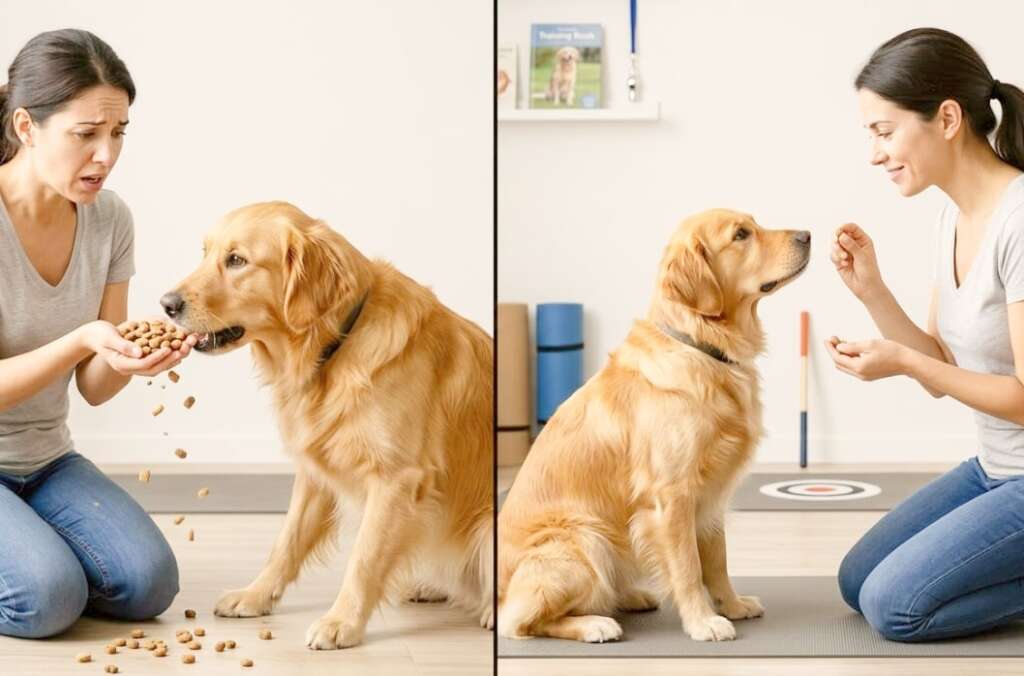
Mistakes can slow progress. One common issue is overfeeding. This reduces motivation. Another mistake is poor timing, which weakens reinforcing behavior.
Some owners rely only on food. This creates dependency. Instead, mix rewards with praise. This supports conditioning dogs with praise and creates a balanced learning experience. Avoid shortcuts. Good training takes time.
Treats are powerful. However, they are not the only tool. You can use toys, praise, and play. These alternatives strengthen your dog training guide and reduce dependence on food.
For example, a ball can motivate active dogs. Praise works well for calm breeds. Combining these methods creates a flexible system. This improves overall results in dog training with treats without overdependence.
Best Tips for Successful Dog Training with Treats
Success comes from consistency. Train daily, even for a few minutes. Keep sessions positive and engaging. This builds trust and improves dog training methods.
Think of training like building a habit. Small steps lead to big results. Stay patient and adapt to your dog’s personality. With the right approach, dog training with treats becomes a powerful tool for lifelong obedience.
Faqs
How to train your dog using treats?
Provide your dog training with treats immediately after they follow a command or exhibit good behaviour. Use positive reinforcement consistently, keep training sessions short, and gradually cut treats as your dog learns the behaviour.
What chews can dogs with pancreatitis have?
Low-fat chews that have been vet-approved, such as plain dehydrated sweet potato, carrot chews, or specially made low-fat dental chews, should be used in dogs with pancreatitis. Avoid fatty treats, rawhide, or greasy bones.
What smell do dogs hate the most?
Dogs usually dislike strong smells like vinegar, citrus (lemon, orange), ammonia, alcohol, and chili/pepper scents.
Conclusion
To conclude, dog training with treats is a successful way to build obedience, trust, and a strong relationship between you and your dog. Dog training with treats is, in the right hands, a fast way to promote good behavior without force and fear. If you are consistent, patient, and balanced, treats can be a long-term solution to raising a well-behaved and confident dog.
