All dogs have the right vaccines at the right time to stay healthy. A good dog vaccination schedule will keep your pet safe at every stage of life, boost the immune system, and protect against common diseases. Knowing what to expect makes it easier to provide your dog with the care they deserve. Vaccinations are an essential element of maintaining your furry friend’s health at every stage of life from puppyhood through the senior years. Vaccinations are important in keeping your four-legged friend healthy from puppyhood through to their senior years.
Dogs need vaccinations throughout their lives to protect them against serious diseases such as distemper, leptospirosis and rabies. The vaccination process starts between 6 and 8 weeks of age, at regular intervals until the dog reaches 16 weeks. After this, boosters are given every one to three years. The vaccination schedule relies on your dog’s age, health status, and lifestyle. The dog daycare experts explain everything step by step from early vaccination to the end.
Why do we vaccinate dogs?
Vaccines work by introducing a dead or incomplete strain of infectious agents to the dog’s immune system. This helps their immune system build immune cells that are specially made to respond well when the real thing comes along.
In recent years, vaccines have been branded as “dangerous” for a range of reasons – but there is little or no scientific evidence to back this up. And the diseases they prevent are, at best, irritating and, at worst, potentially deadly. Vaccines are also relatively painless, easy, and inexpensive to administer.
Core vs Non-Core Dog Vaccination Schedule
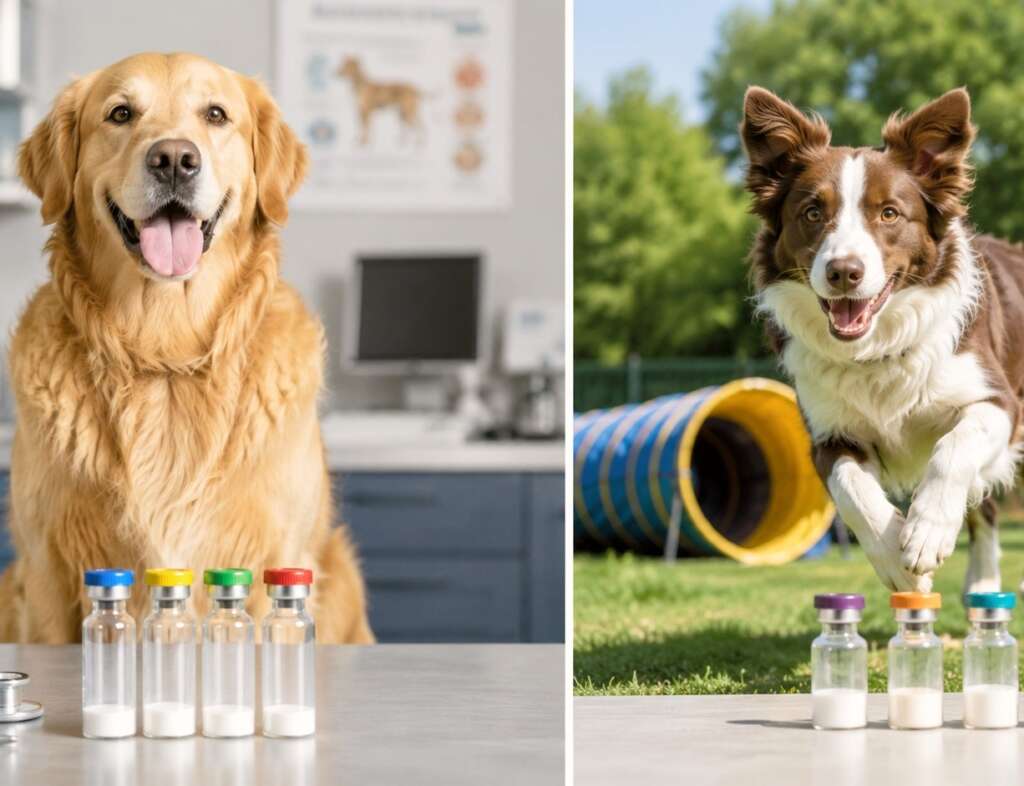
Core Vaccines Every Dog Needs
Core vaccines are recommended for all dogs (wherever and however they live).
Rabies: Guards against a deadly virus that invades the nervous system and can be spread to people.
DHPP: (Distemper, Hepatitis, Parvovirus, Parainfluenza) A combination vaccine that helps protect against four serious diseases. Parvovirus is particularly dangerous for puppies.
Leptospirosis: Protect yourself against a bacterial disease that can lead to kidney and liver failure. Can be transmitted to humans and is becoming more common in cities and the suburbs.
Bordetella: Protects against a highly contagious respiratory infection that easily spreads anywhere dogs gather. Your dog’s wellness care routine and disease prevention plan are built upon these vaccines.
Non Core Vaccines
Non-core vaccines are vaccines that only some dogs need, depending on their lifestyle, location, travel, and likelihood of exposure to unfamiliar dogs in close quarters.
Dog Parainfluenza: The vaccine for parainfluenza virus is considered non-core, but it is included in most of the combination “puppy series” shots. It eases the severity of kennel cough, but it won’t prevent it. Because the parainfluenza vaccine lasts up to twelve months, dogs at risk should be vaccinated every six months.
Bordetella Bronchiseptica: The Bordetella vaccine may be useful in preventing kennel cough and other bacterial respiratory tract infections. It is often given to show dogs and dogs in high-density situations and will protect for up to six months.
H2: Puppy Vaccination Schedule by Age

6–8 Weeks: First Puppy Vaccinations
- DHPP (Distemper, Adenovirus, Parvovirus, Parainfluenza)
- Optional vaccines based on risk (if recommended by your veterinarian)
10–12 Weeks: Second Round of Vaccines
- DHPP booster
- Leptospirosis (if recommended)
- Bordetella (if needed)
- Canine Influenza (high-risk puppies)
14–16 Weeks: Final Puppy Vaccinations
- Final DHPP booster
- Rabies vaccine
- Leptospirosis booster
- Lyme vaccine (if risk exists)
12–16 Months: First Booster Vaccines
- DHPP booster
- Rabies booster
- Lifestyle vaccine boosters (Bordetella, Leptospirosis, Lyme, or Canine Influenza if required)
Adult Dog Vaccination Schedule
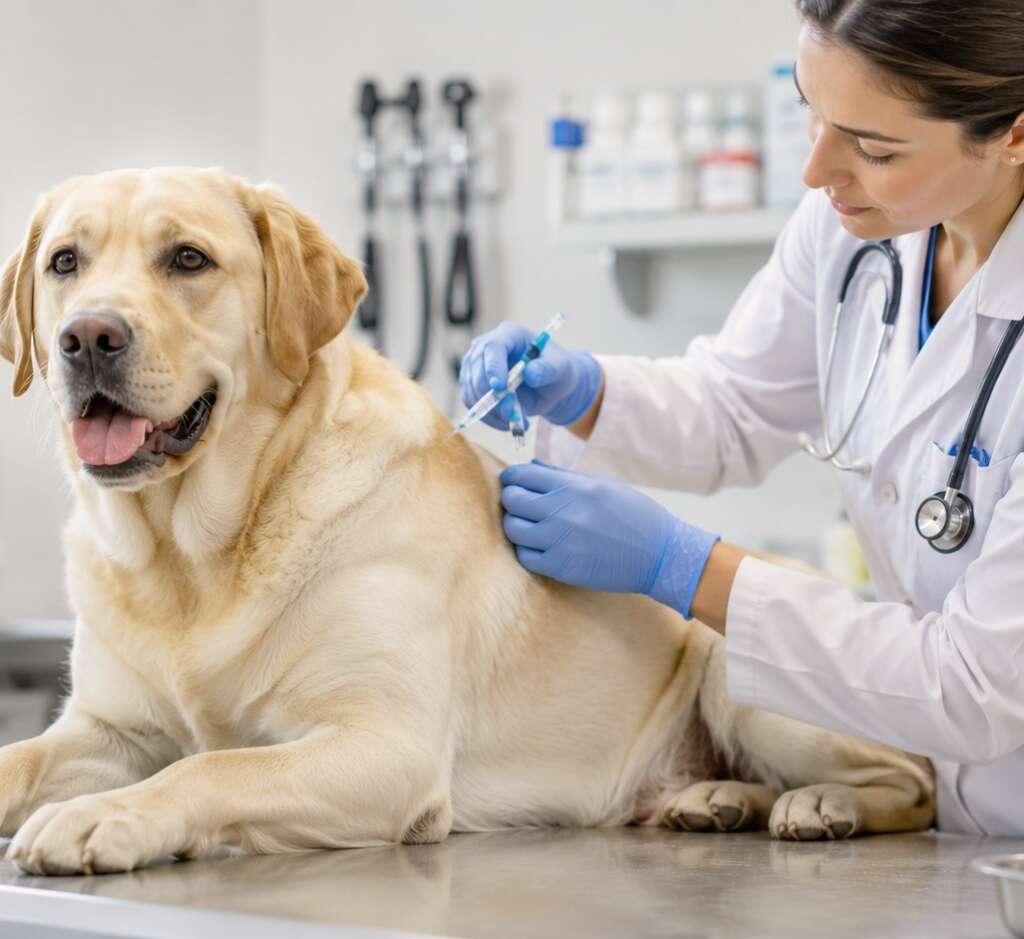
Adult dogs require vaccinations regularly in order to protect themselves from dangerous diseases. After the final series of vaccinations and the first booster shot, the veterinarian will come up with a vaccination schedule based on the dog’s age, health, way of living, and risk exposure. Keeping your dog vaccinated will go a long way to help it stay healthy for many years to come.
Annual Dog Vaccination Schedule
Some vaccinations are necessary annually. In particular, those dogs that are exposed regularly to different environments like daycare, boarding facilities, dog parks, and those that are frequently groomed. In such cases, it is vital to get vaccines such as Bordetella, Leptospirosis, or Canine influenza every year for safe dog immunity.
Every 3-Year Booster Vaccines
Many of the core vaccines are not given on an annual basis. After the first booster, vaccines such as DHPP and, in many areas, Rabies, are often given every three years, following your veterinarian’s advice and local vaccination requirements. Routine vet check-ups will help you to know when these boosters are due.
Vaccination Considerations for Senior Dogs
Older dogs should still be vaccinated properly, but the schedule may change as they get older. Your veterinarian will take into account your dog’s overall health, medical history, and lifestyle before any boosters are recommended. Regular health examinations are important to keep your senior dog protected and to minimize unnecessary vaccinations.
Dog Vaccination Side Effects and Aftercare
| Normal Side Effects | When to Contact a Veterinarian | Caring for Your Dog After Vaccination |
| Mild tiredness | Difficulty breathing | Let your dog rest |
| Slight swelling at the injection site | Severe facial swelling | Provide fresh water |
| Low-grade fever | Repeated vomiting or diarrhea | Offer normal meals if your dog is willing to eat |
| Mild soreness | Collapse or extreme weakness | Avoid strenuous exercise for 24–48 hours |
| Reduced appetite | Seizures or persistent symptoms | Monitor your dog for any unusual reactions |
FAQs
What is the proper vaccination schedule for a dog?
- 6–8 weeks: First vaccination
- Every 3–4 weeks: Follow-up vaccines
- 12–16 months: First booster
- Afterward: Regular boosters as needed
How many vaccinations does a dog need?
- Puppies: 3–4 vaccination visits
- 12–16 months: First booster
- Adults: Boosters every 1–3 years
- Schedule: Depends on age, lifestyle, and vaccine type
What is the 7 in all vaccine for dogs?
- Protects against: 7 major canine diseases
- Core coverage: Distemper, Adenovirus, Parvovirus, Parainfluenza
- Additional protection: Two Leptospirosis strains + Coronavirus (varies by brand)
- Use: Given according to your veterinarian’s vaccination schedule
How many 5-in-1 vaccines for dogs?
- First dose: 6–8 weeks of age
- Series: Every 3–4 weeks until 16 weeks
- Total doses: Usually 3–4 vaccinations
- Booster: At 12–16 months, then as recommended by your veterinarian
What are the top 3 vaccines for dogs?
- Rabies
- DHPP
- Leptospirosis
Conclusion
In this guide to the dog vaccination schedule, everything essential for pet owners about vaccinating a dog. But this is only an informational blog; before vaccinating the dog or a puppy, you must consult your vet.
