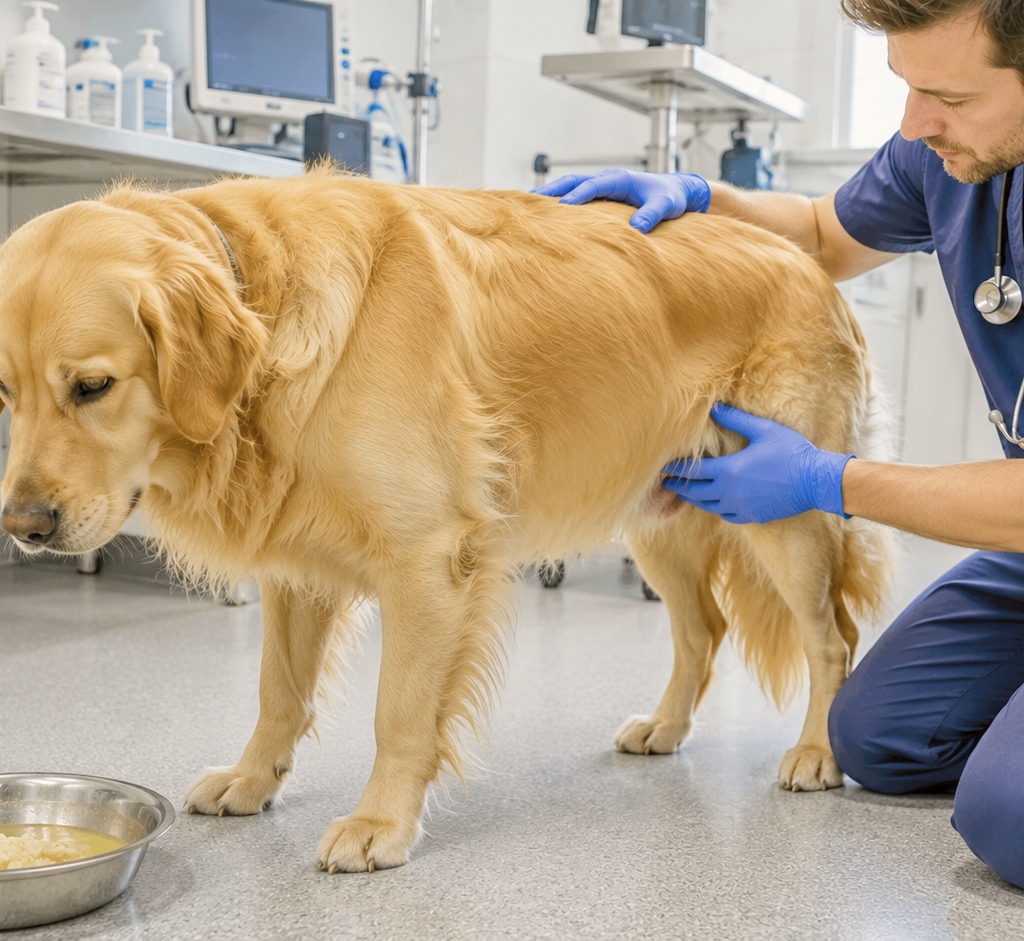
One of the most common and most worrisome signs pet owners see is dog vomiting. An occasional upset stomach is okay, but frequent vomiting may indicate that there are health problems that need to be addressed. Vomiting in dogs is the active expulsion of material from the stomach of a dog. Vomit can look different depending on what is causing it.
In more severe cases, dogs may vomit contents from the intestines rather than the stomach. This can be faecal matter, showing coprophagia (eating faeces) or a more serious condition like an intestinal blockage. Vomiting that includes faecal material or abnormal material requires immediate veterinary evaluation. This comprehensive guide breaks down dog vomiting causes, early symptoms to look for, and simple home remedies.
Symptoms of Dog Vomiting
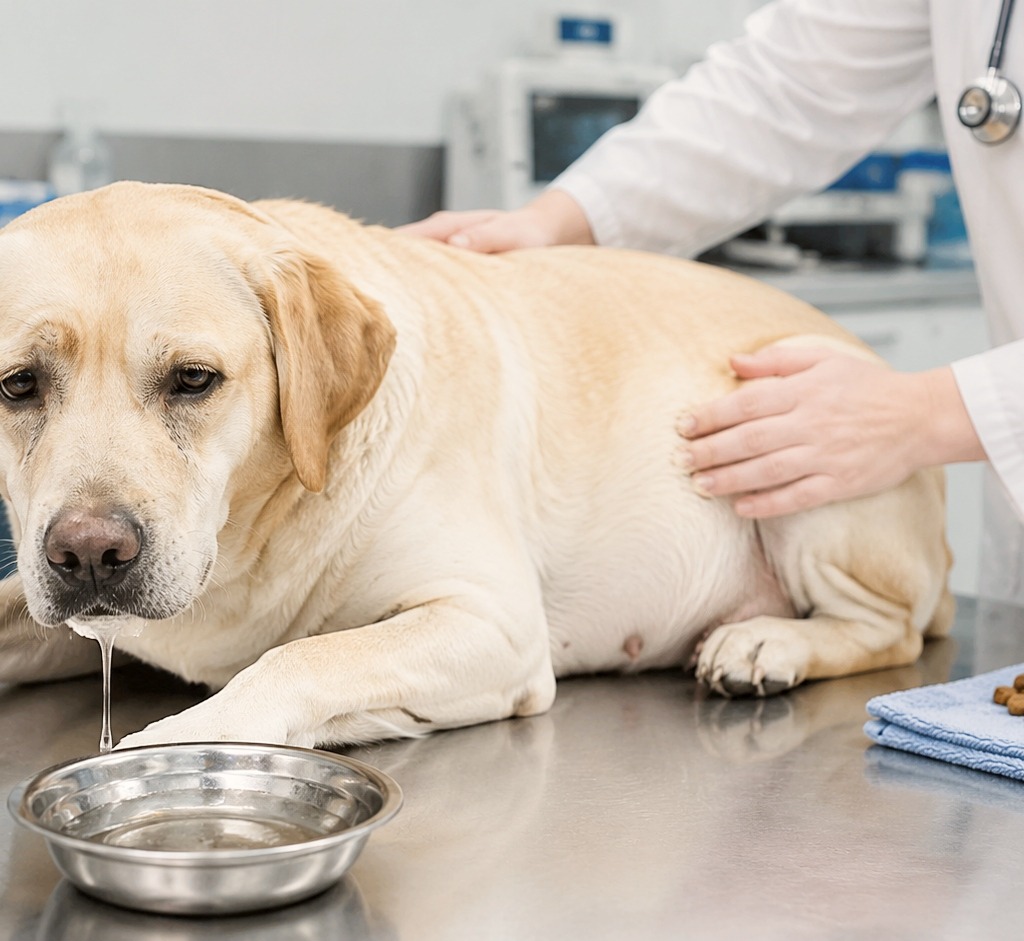
The common symptoms of dog vomiting are as follows
Lethargy or Weakness
If a dog won’t move or seems excessively tired, it could be dehydrated, infected, or have internal complications.
Diarrhea
Dog Vomiting and Diarrhoea together usually indicate infections, parasites, dietary indiscretion, or toxin ingestion.
Bloating
A swollen, painful belly, especially when it’s accompanied by retching but no vomit, can be a sign of bloat, which is a life-threatening emergency.
Loss of Appetite
Skipping meals or refusing food for more than 24 hours often indicates gastrointestinal problems.
Lip-Smacking
This might be nausea, stomach pain, or irritant exposure.
Causes
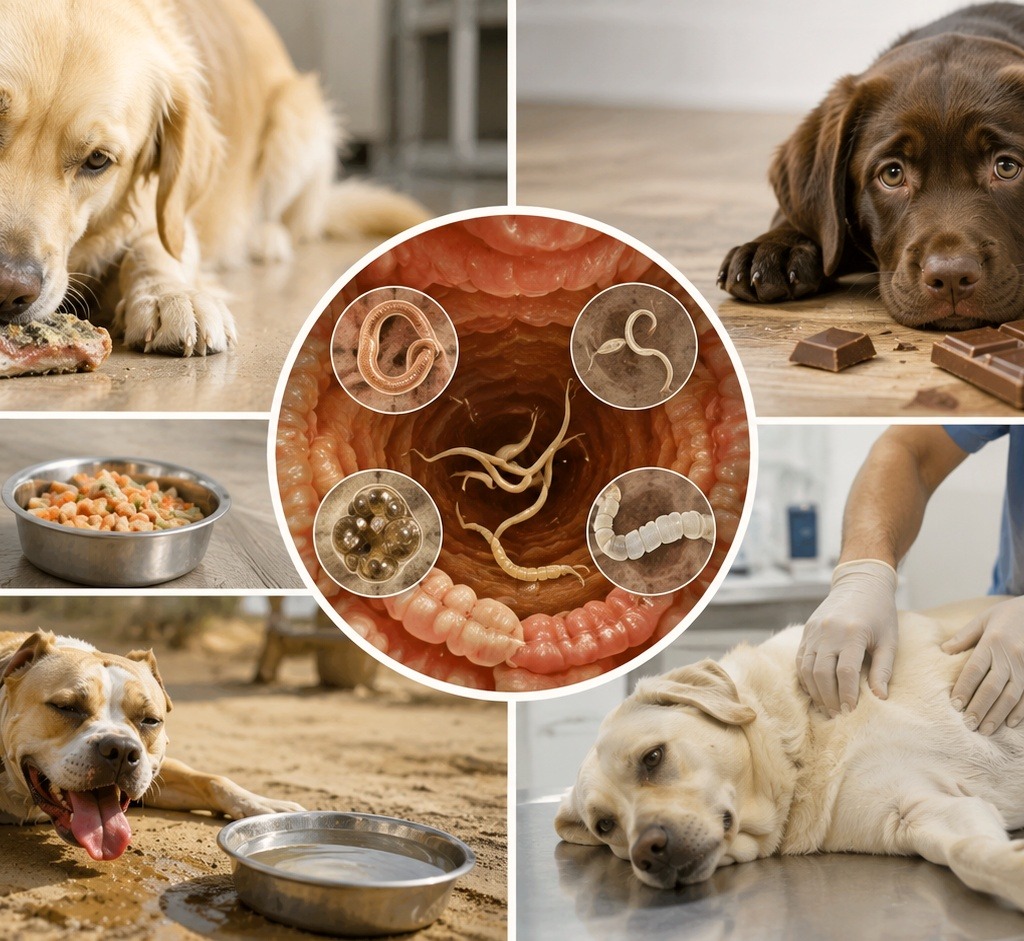
The common causes of dog vomiting are as follows
- Food allergy
- Viral infections of the gut
- Consumption of something toxic
- An obstruction
- Gastrointestinal worms
- Heatstroke
- Parvovirus
- Liver, kidney, or pancreatic problems
- Colitis
- Parasites
- Abrupt changes in diet
- Cancer
- Severe dehydration
Treatment of Vomiting in Dogs
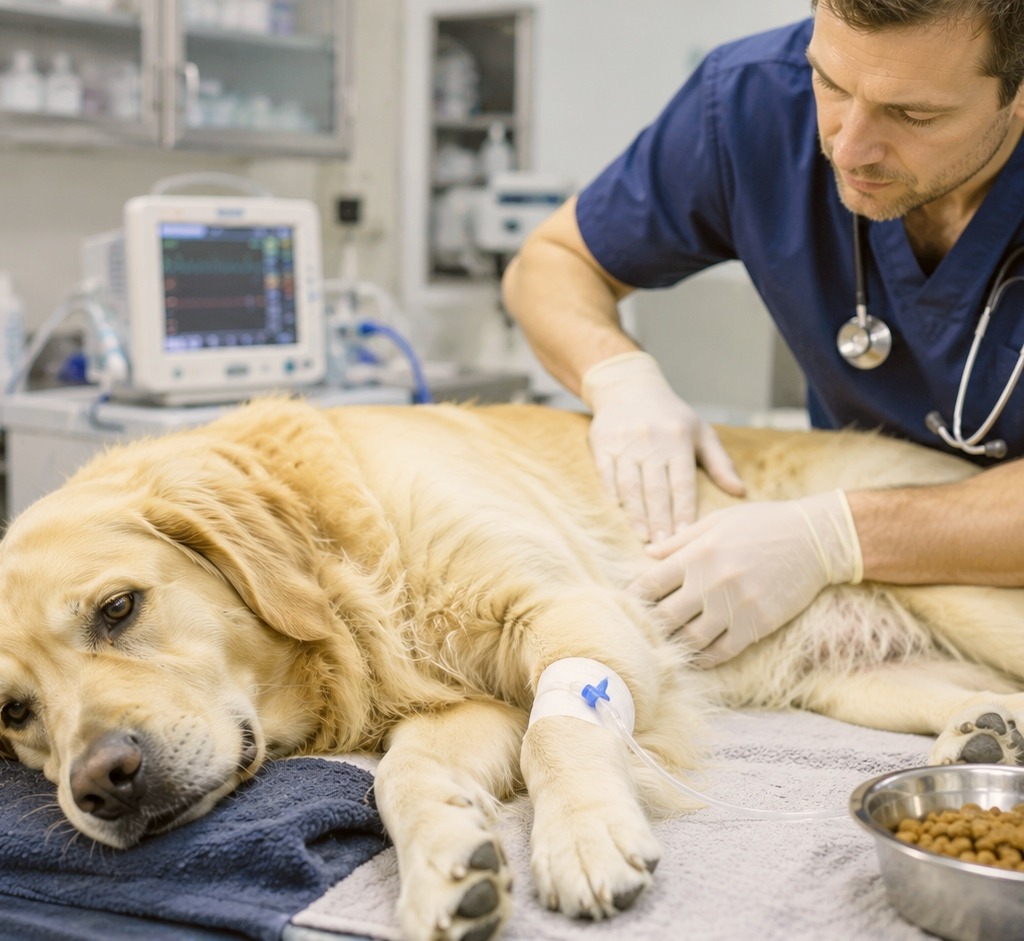
Fluid Therapy and Rehydration
Rehydration becomes the primary concern, especially when the dog suffers from vomiting on multiple occasions. Fluid therapy replenishes fluids and electrolytes lost and helps in improving blood circulation. Oral fluid therapy becomes a good option for dogs that suffer from mild dehydration and can retain fluids. Subcutaneous fluid therapy becomes a common choice for dogs with mild to moderate dehydration.
Current veterinary recommendations suggest that the type of fluids, rate, and administration should be chosen according to the patient, with close monitoring of hydration status and electrolyte balance throughout the course of treatment.
Antiemetic Medications
Your veterinarian might recommend anti-emetic drugs like maropitant, ondansetron, or metoclopramide to help prevent vomiting. Such treatment should always be done after excluding life-threatening problems like intestinal blockages.
Dietary Management
After vomiting, feeding should be gradual with small amounts at a time. The dog should be given highly digestible foods or those recommended by the vet.
Treating the Underlying Cause
The best way to treat vomiting is to address the underlying cause. This may involve deworming, antibiotics, diet change, treatment of pancreatitis, treatment of toxins, and removal of any intestinal obstruction.
Dog Vomit Color Chart
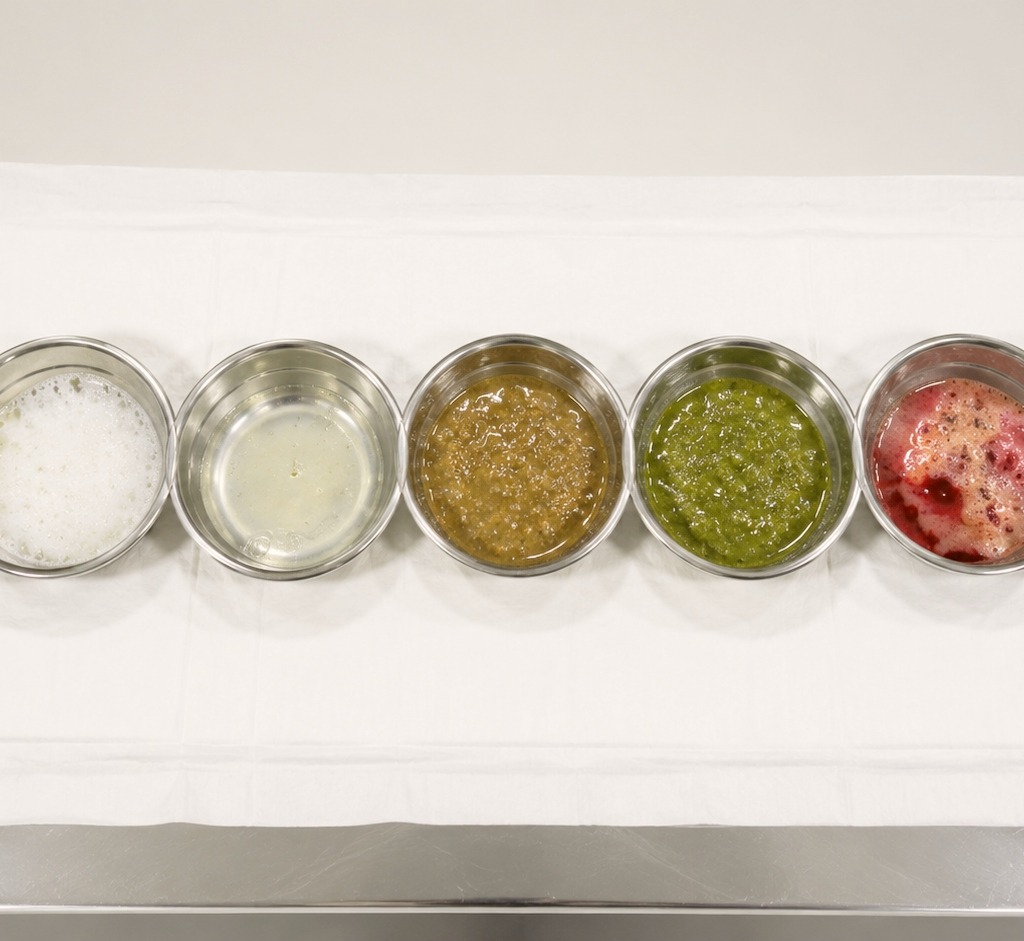
| Vomit Color | Possible Meaning | When to Worry |
| Yellow (Bile) | Empty stomach, bile reflux, mild stomach irritation | If vomiting is frequent or accompanied by lethargy, diarrhea, or loss of appetite |
| White Foamy | Indigestion, excess stomach acid, gastritis, kennel cough | If repeated or associated with coughing, weakness, or abdominal pain |
| Clear | Saliva, stomach fluids, nausea, excessive water intake | If persistent or your dog cannot keep water down |
| Brown | Partially digested food, digested blood, or possible intestinal blockage | Seek veterinary care immediately if foul-smelling or recurring |
| Green | Grass consumption, bile, or possible toxin exposure | If accompanied by abdominal pain, weakness, or repeated vomiting |
| Red or Bloody | Bleeding from the mouth, esophagus, or stomach | Emergency—contact a veterinarian immediately |
| Black (Coffee-Ground) | Digested blood from the upper gastrointestinal tract | Medical emergency requiring immediate veterinary treatment |
FAQs
What Can I Give My Dog for Vomiting?
- Offer small amounts of water.
- Feed a bland diet
- Avoid fatty foods
- Do not give medications without veterinary advice.
When Should You Worry If Your Dog Is Throwing Up?
- Vomiting repeatedly
- Blood in the vomit or black vomit.
- Signs of dehydration, weakness, or severe abdominal pain
- Suspected poisoning
How Do I Stop My Dog From Vomiting?
- Offer small amounts of water.
- Feed a bland diet
- Keep your dog calm
- Visit your veterinarian
What Do You Do When a Dog Is Vomiting?
- Monitor the vomiting
- Provide fresh water
- Avoid feeding until vomiting settles
Conclusion
Dog vomiting can be anything from a mild stomach upset to a sign of serious illness, but understanding the causes and when to act can make all the difference. Home remedies can help in simple cases, but if symptoms persist, professional care and diagnostics are needed. The expert at dogdaycare explains about dog vomiting, which is essential for pet owners.
