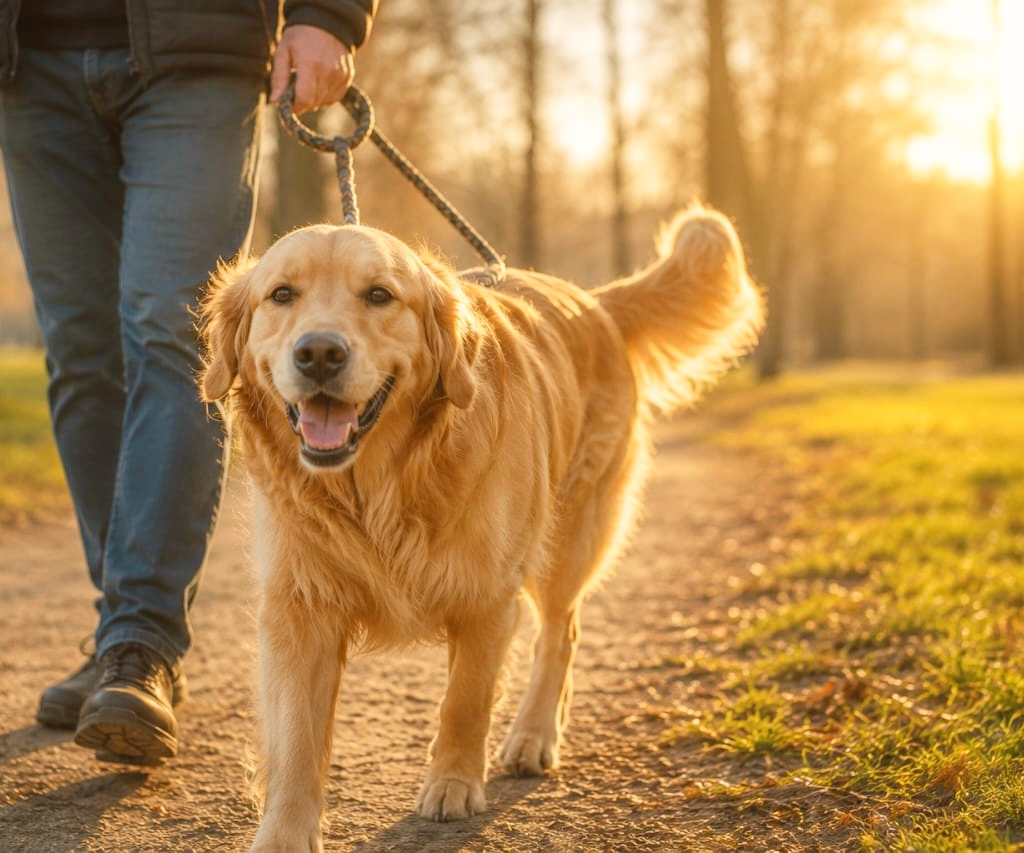
Dog walking is not just a routine; it influences health, emotions, and behavior. Because owners know the long-term benefits of dog walking services. Walking a dog regularly builds trust between the dog and owner, which leads to discipline and less stress. Being consistent is very important in the dog walking process, whether you do it yourself or hire a professional dog walker.
Dog Walking is an outdoor activity that promotes physical exercise and mental balance in a structured manner. It’s not just about letting a dog out. This is about movement, smelling, learning, and shaping behavior.
Life is busy today, and many people are now turning to pet walking services and dog walking services near me. A brief walk will help dogs behave better, reduce their anxiety, and become emotionally stable.
Dogs that don’t get enough exercise often display frustration, barking, chewing, or aggression. That is why walking regularly is not optional. It is required for balanced living.
Physical and Mental Benefits of Regular Dog Walking
Dog Walking is a key part of supporting your mental and physical health. It preserves joints’ mobility, muscle strength, and weight. It also prevents destruction from boredom.
Walking allows dogs to have mental freedom to sniff out smells, sounds, and surroundings. This decreases stress and promotes emotional well-being. Many trainers directly equate dog mental stimulation activities with behavior and obedience.
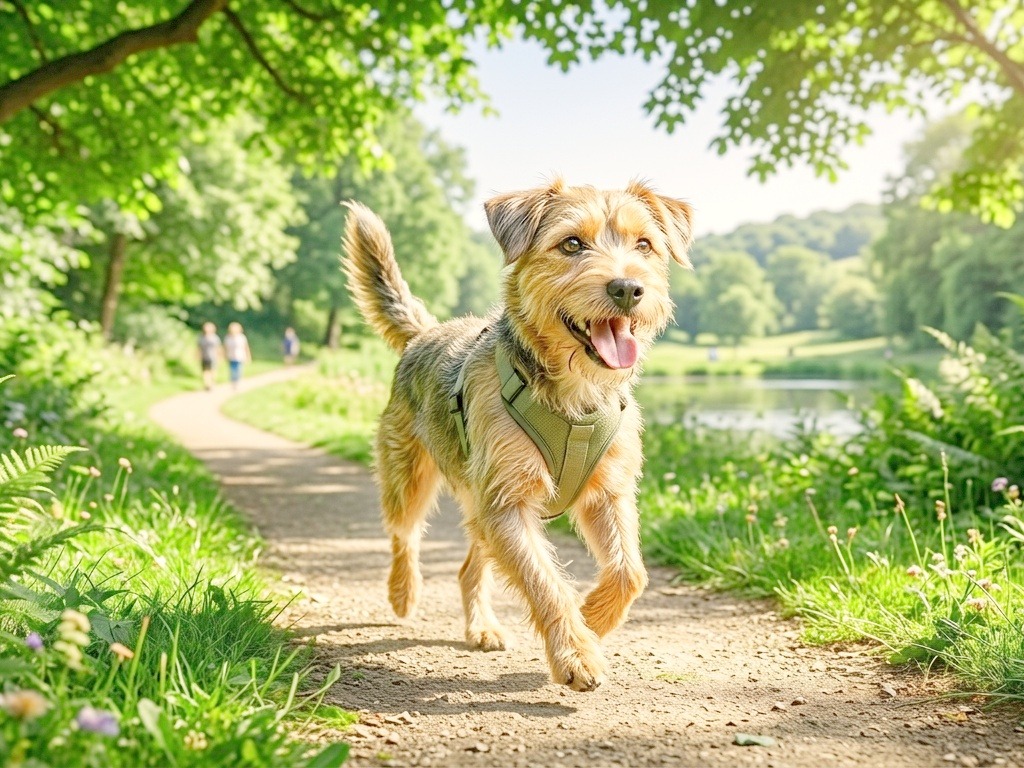
Improves Physical Health
Regular walks keep dogs from getting fat, especially house dogs. Movement increases digestion, heart health, and stamina.
Structured walks are especially good for active breeds. Even 30 to 60 minutes of walking daily helps meet a dog’s exercise needs and build overall strength.
Dogs also burn off stored energy. This makes the home a more peaceful place. Owners often observe fewer behavior issues following consistent walking programs.
Reduce dog anxiety
Walking is emotional therapy for dogs. It also alleviates anxiety on walks by building confidence through repetition.
It also avoids boredom, which is a cause of destructive behavior. A bored dog becomes restless; an active dog becomes calm.
Walking makes for trust, at once. Dogs regard their owners as friends and leaders. This is why social behavior gets better naturally with daily walks.
How Dog Walking Improves Behavior and Understanding of Body Language
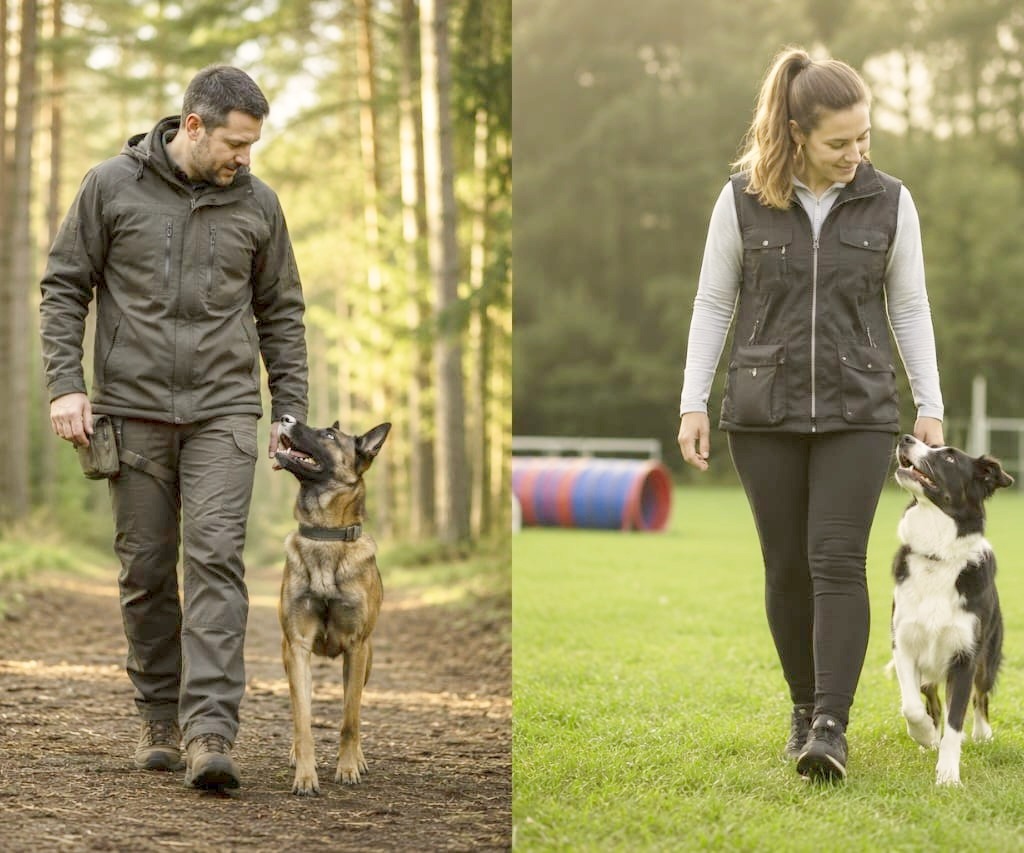
Behavior problems are often the result of unused energy. Dog Walking channels this energy in a controlled manner. It reduces aggression, barking, and hyperactivity. Dogs learn limits and cool reactions by repetition. Over time, regular walks foster emotional stability. This is the basis of better dog behaviour and lasting discipline.
While walking, dogs constantly communicate with their owners. Understanding dog body language is essential because it helps owners detect fear, excitement, or early stress, but ignoring these signs can lead to dog anxiety.
Common Dog Walking Problems and How to Solve Them
Many owners consider leash pulling, fear, and distraction to be the major problems and struggle with them, but these issues are normal; only structured correction is required.
Training, patience, and routine solve most problems. That is why dog training tips and dog behavior training are often connected with walking routines.
Leash Pulling and Reactivity Toward Other Dogs
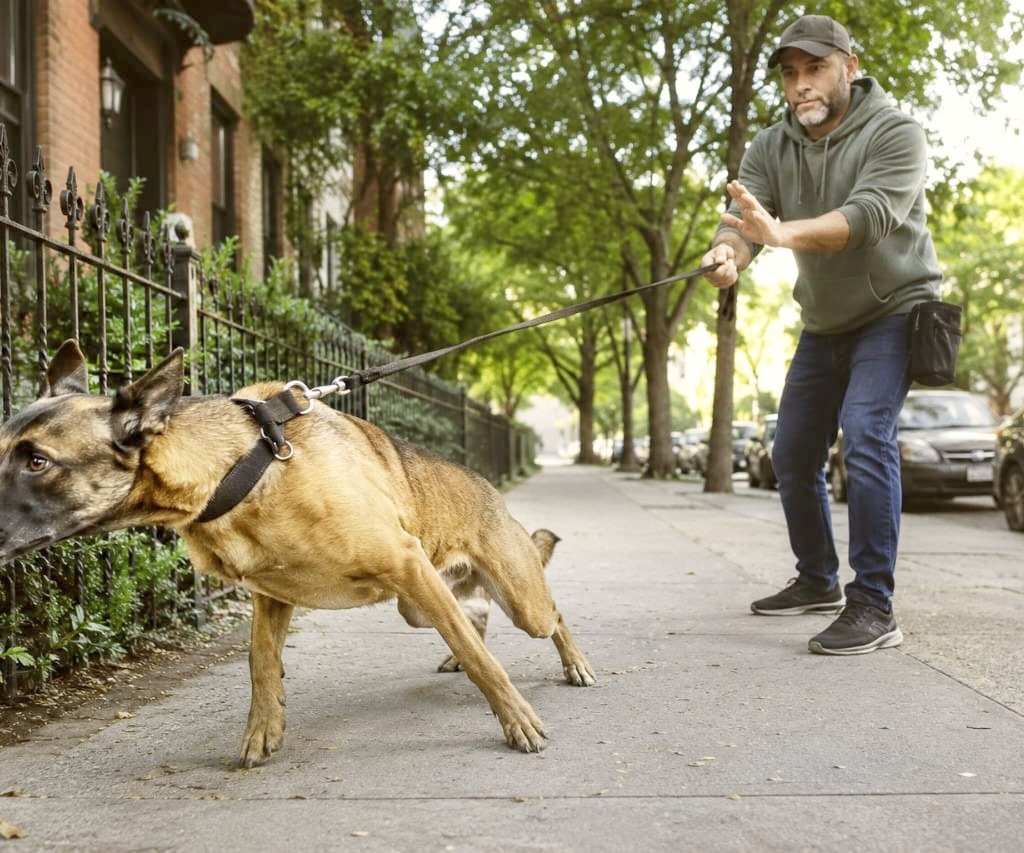
In dog walking services, leash pulling is a common problem for owners because dogs are faster to explore than their handlers. To solve this problem, leash walking training and calm leadership are essential. If the walks are short and controlled, it alleviates excitement, and over time, dogs learn patience and walk beside their owner without pulling.
Dogs react in fear or excessive excitement. This can be corrected through dog reactivity training, with exposure therapy. Distance-based training will help dogs remain calmer during such events. Group exposure training, including group dog walks, will also help.
Dog Walking Fear and Routine Problems
Studies show that dogs will not want to go for walks if they have had bad experiences before. For those types of dogs, a gradual introduction to walking and building trust is necessary. Building confidence will happen through very short walks in quiet places and using positive rewards. We apply the same technique to puppy socialization walks, where, over time, dogs are habituated to the outdoor environment.
Dogs do best with daily routines, but if walks don’t follow a routine, they become confused and stressed. Consistency is a strong foundation for dog care and providing professional pet care services. Walking your dog for 10 minutes is far superior to walking them for 30 minutes or longer once per week.
Lack of Focus During Dog Walking
There are many things, including odors, other dogs, and moving things, that prevent dogs from focusing on you. Dogs can become easily distracted. Impulsive dog training and engagement activities during a walk will help with this problem. Using basic commands, such as sit or stay, will help you increase your dog’s attention span and control over time.
Seasonal Dog Walking Tips
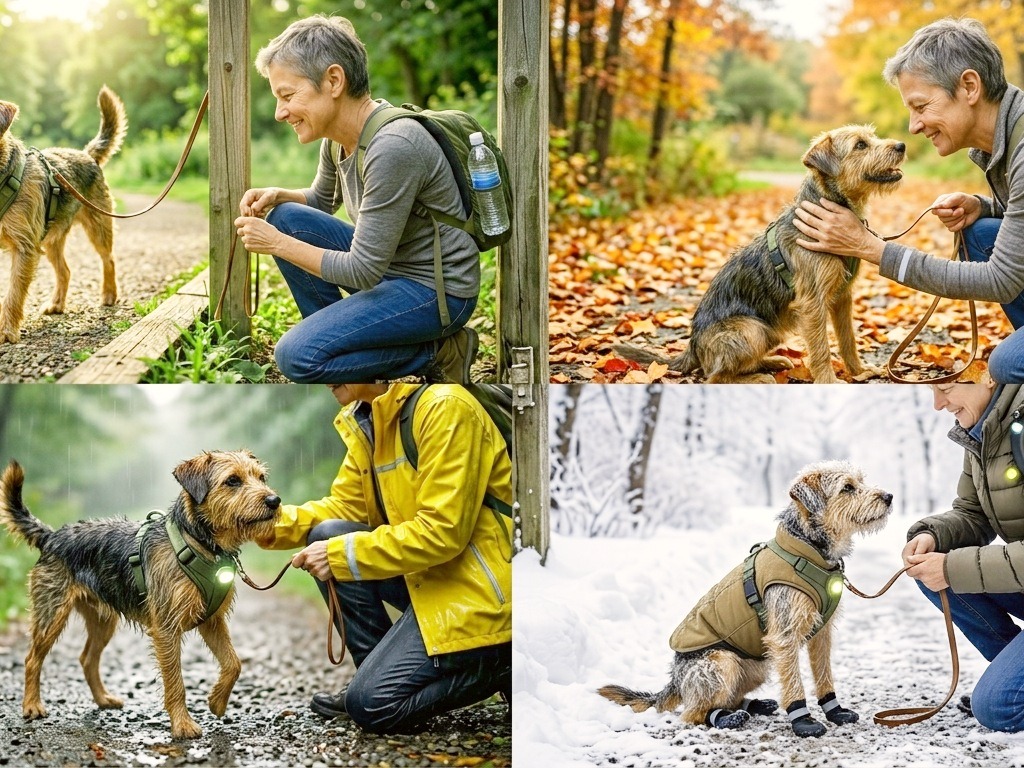
Dog walking can vary on seasonal conditions. Each season has its own set of risks and care requirements for dog walking. Being aware of dog walking by season is important to the safety of dogs throughout the entire year.
Summer Dog Walking: When walking dogs in the summer heat, the safest time is early in the morning or evening. Avoid walking on hot concrete and always bring a source of water; both will help keep dogs safe while walking in the summer and prevent overheating.
Winter Dog Walking: In cold weather, there is a chance of irritation and injury to your dog’s feet and joints. You can protect your dog’s feet while walking in winter by using booties or paw balm.
Rainy Weather Walking: Rain reduces visibility and grip. Shorter walks are safer during wet weather. Drying paws prevents infections and discomfort after walks.
Avoiding Heatstroke: A dog can experience heatstroke at any time; the most common symptoms are heavy panting and/or drooling, slow movement, high acceleration/deceleration, and/or unusual activity or excitability. When this occurs, give your dog a break and cool him/her down quickly when providing services to walk the dog.
Best Times of Day for Seasonal Walks: For the climate, the two safest times to walk a dog are early morning and in the evening. During these times, the temperature is cooler and more consistent, which provides greater comfort for dog exercise activities and improved performance.
Best Safety Practices Every Dog Walker Should Follow
Even a short walk can become dangerous if one loses attention to their surroundings. Therefore, a responsible dog parent will check the strength of their leash and the fit of their collar before they walk their dog. A responsible dog walker will check for busy streets, unfamiliar dogs, and loud noises before beginning their walk.
A qualified, professional dog walker detects the dog’s behaviour and predicts its postures. Good dog walkers will always keep a safe distance from unfamiliar dogs and control their dog during unpredictable situations. A well-trained dog walker will use common sense to prevent accidents. Availability should be one of your concerns as a dog owner when you’re finding a professional dog walker, but it shouldn’t be the only one.
When people search the Internet for “best dog walker” or “dog walking services near me,” it is also essential that they look at the service’s consistency and communication. For example, a reliable dog walker will keep their clients updated on their dog’s progress by following through on scheduled walks, using standardized routines, and adjusting their walking techniques according to the dog. In addition to ensuring that the dog walker’s service provider has liability insurance, dependability, and can calmly handle all dogs.
FAQs
What are the tips for walking a dog safely?
Keep your dog on a strong leash, stay alert to traffic and other animals, and always carry water and waste bags during walks.
Walk at a comfortable pace, avoid very hot weather, and reward calm behavior to make every walk safe and enjoyable.
What is a good walking routine for a dog?
A good walking routine includes taking your dog for a walk at the same times every day, with enough exercise based on their age, size, and energy level. Most dogs enjoy one to two daily walks that include time for movement, sniffing, and short breaks to stay healthy and happy.
How to correctly walk a dog?
Hold the leash gently, keep your dog beside you, and stay calm so your dog feels safe and relaxed during the walk.
Let your dog stop and sniff sometimes, avoid pulling the leash, and always pay attention to the surroundings for safety.
Conclusion
Walking your dog is one of the easiest ways to provide care for your pet and has many benefits for you both. Regular walking can improve your dog’s health, reduce your dog’s stress, and help your dog emotionally balance. As with any form of dog walking, be consistent. Whether using dog walking companies, training your dog, or hiring a professional dog walker, dogs tend to do best when they are provided with a consistent routine and clearly communicated to. Daily time spent walking gives you more than just exercise for you and your dog.
