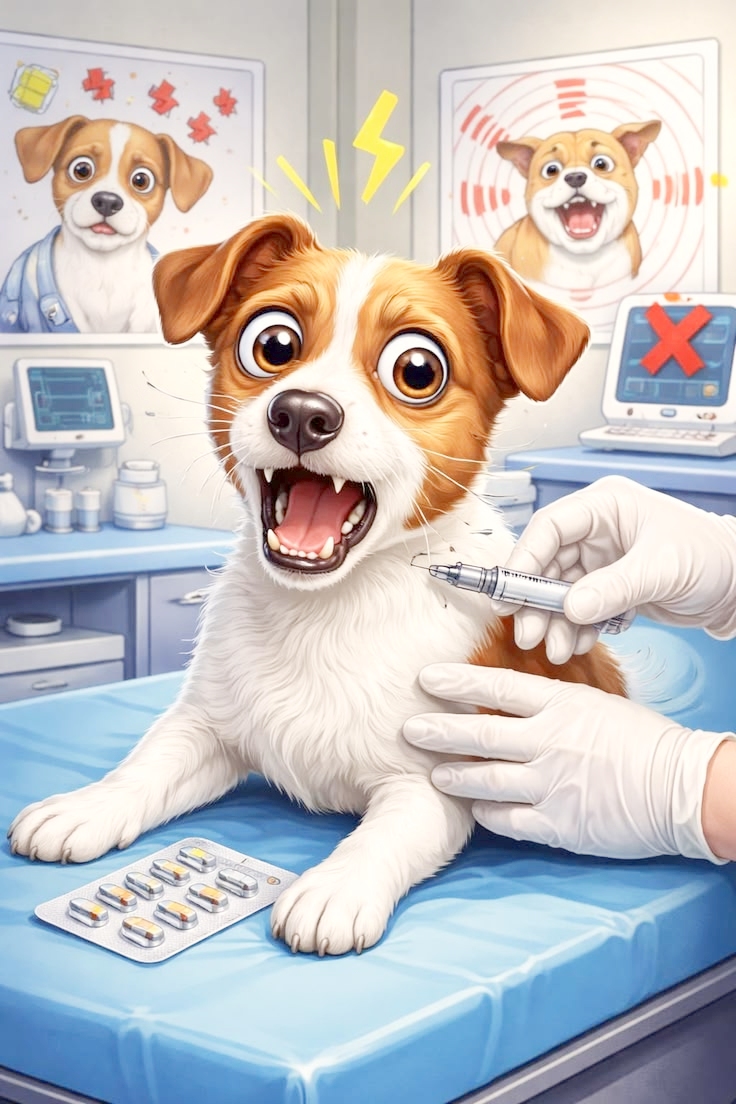
Dogs are naturally very curious; they touch dangerous things while playing. So they come in contact with worms. The initial stages of parasites are difficult to diagnose because the owner ignores them, and the symptoms are rare and go unnoticed.
Worm infections are a very common problem in dogs. They can affect a dog’s health, whether it is a tiny puppy or a mature dog. If dog worms are not treated in time, they become dangerous and lead to other health problems. To guide dog owners on worms, symptoms, causes, and treatment, the team at DogDayCare provides a comprehensive article that is very useful for pet lovers. Early diagnosis of dog worms can prevent your dog from many other diseases caused by parasites. This article explains everything step by step, from early diagnosis to treatment.
What Are Dog Worms?
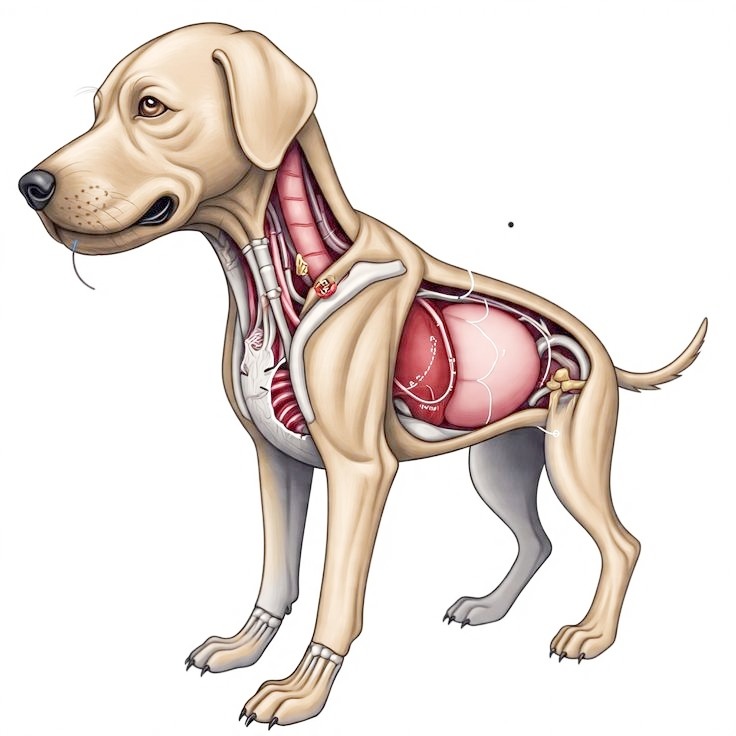
Sometimes people think that dogs suffer from worms due to Poor hygiene, but it’s wrong; often, well-maintained pets contract parasites. These parasites live inside a dog’s body. Sometimes they are also in parasites, blood, and other major organs. Gradually, these dog worms absorb the vital nutrients that are necessary for their immune system and nourishment. This is the main reason most owners do not diagnose the infection.
It’s not easy for owners to diagnose internal worms at an early stage because, at this time, their symptoms are not more prominent than those of external parasites. Some dog worms also enter not only the intestine but also the lungs and heart, so it’s necessary to diagnose the infection early rather than wait for the symptoms to appear. So the treatment could be started, and the dog does not get a serious disease.
How Do Dogs Get Worms?

The worms are spread through normal activities. Dogs usually eat parasite eggs, but they can also get infected by insects, wildlife, and sometimes even their mother before birth. Dogs are affected by many parasites in many ways. Some worms are ingested through the digestive system, while others are picked up from insects or directly. Knowing where these parasites are coming from and how they’re spreading can help you take preventive steps early, which is a lot easier than treating a serious infection later.
Contaminated Soil, Water & Fleas
Dogs get worms from the smell of polluted soil, from drinking unsafe water, or from the faeces of other animals. Fleas are important in spreading the worms because they carry the tapeworm larvae. Maintaining cleanliness and preventing fleas are steps to help minimise the cause of dog worms.
Raw Meat, Wildlife & Mother Dogs
Raw meat contains parasite larvae that infect dogs when they ingest it. Sometimes worms pass from mother to child during pregnancy and administration. If the mother practices safe feeding, puppy deworming would help prevent early infection by canine worms.
Mosquitoes and Other Carriers
Unlike intestinal worms, heartworms spread through mosquito bites rather than contaminated food or soil. The larvae travel through the bloodstream before reaching the heart and lungs, making prevention essential. Monthly preventive medication offers the best protection against heartworms in dogs.
Mosquitoes and Other Carriers
Mosquitoes carry heartworms, and when they bite, they spread the heartworms. The larvae travel through the bloodstream before reaching the heart and lungs, so prevention is key. So medication offers protection against heartworm in dogs.
Common Types of Dog Worms h2
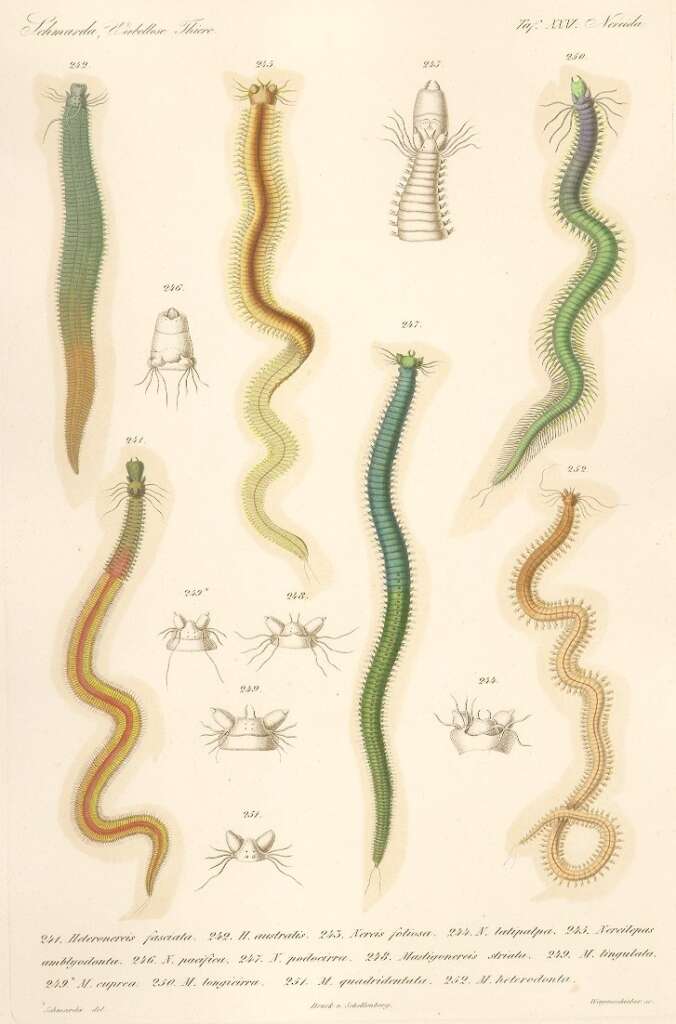
Not all Dog Worms are the same. Some live in the intestines. Others attack vital organs such as the heart. Knowing the types of parasites helps you identify possible risks early and select the appropriate dog parasite treatment with veterinary advice. Different worms have different life cycles, symptoms, and treatment methods. Some infections are mild, while others can become life-threatening without prompt care. Knowing the most common intestinal parasites in dogs greatly facilitates their prevention and early diagnosis.
Roundworms & Hookworms
The most common worms in puppies and young dogs are roundworms, which often cause a pot-bellied appearance, vomiting, and poor growth. Hookworms are smaller but more dangerous, as they eat blood and cause anaemia, weakness, and bloody diarrhoea, especially in young puppies.
Whipworms & Tapeworms
Whipworms reside in the large intestine and commonly cause chronic diarrhoea, weight loss, and dehydration. They are commonly spread through infected fleas. They look like little rice segments around the butt or in the stool. Both need specific dog worm medicine to remove them completely.
Heartworms
Heartworms in dogs are transmitted by mosquitoes, unlike intestinal worms, and lodge in the heart, lungs, and blood vessels. They can affect the way your heart works and cause a cough, shortness of breath, and tiredness. Much safer and easier to prevent than to treat advanced heartworm infection.
Signs and Symptoms of Dog Worms
| Sign or Symptom | What You May Notice | Possible Dog Worms |
| Vomiting | Worms or undigested food | Roundworms, Tapeworms |
| Diarrhea | Frequent, loose, or bloody stools | Hookworms, Whipworms |
| Weight Loss | Losing weight despite | Roundworms, Whipworms |
| Pot-Bellied Appearance | Swollen abdomen, especially in puppies | Roundworms |
| Dull Coat & Skin Changes | Dry skin, excessive shedding, poor coat quality | Roundworms, Hookworms |
| Worms in Stool | Rice-like segments | Tapeworms, Roundworms |
| Low Energy | Tiredness, weakness, reduced activity | Hookworms, Heartworms |
| Pale Gums | Pale or white gums | Hookworms |
| Coughing | Persistent cough or breathing difficulty | Heartworms |
| Poor Growth | Slow development in young puppies | Roundworms, Hookworms |
How Dog Worms Are Diagnosed
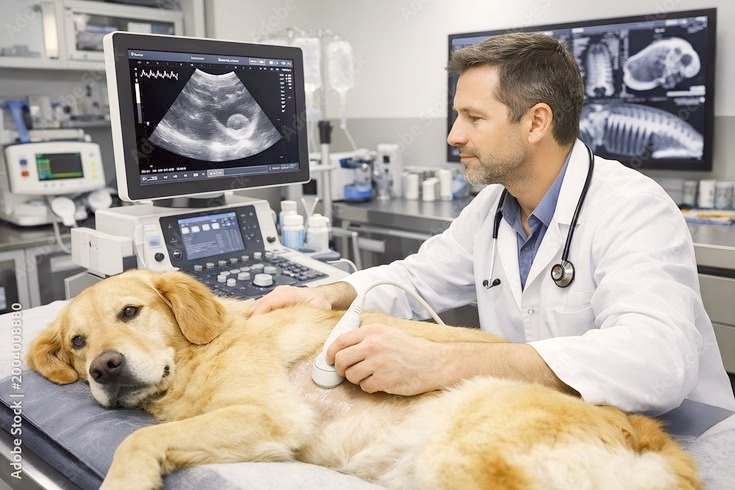
Early identification is critical because many infections show similar symptoms. Depending on the dog’s condition and the suspected parasite, the veterinarian will use different diagnostic techniques. A proper diagnosis ensures your dog gets the right parasite treatment for dogs rather than unnecessary medication. Some worms are easy to see; others require special tests. A combination of physical examination and laboratory tests helps confirm the type of parasite and the severity of the infection before treatment begins. It decides the type of care needed.
Physical Examination & Fecal Testing
Diagnosis usually begins with a physical exam to assess your dog’s general health and to identify visible signs of infection. Then a faecal test to look for microscopic worm eggs that are not visible to the naked eye. This is the most common way to diagnose intestinal parasites in dogs.
Blood Tests & Imaging Tests
Heartworm tests are often performed on dogs, especially before symptoms worsen. In complicated cases, X-rays or ultrasound scans are used to assess damage to the heart, lungs, or digestive organs. Veterinarians can develop a more effective treatment plan.
Dog Worms Treatment Options
The successful treatment of dog worms depends on identifying the parasite and starting treatment as early as possible. Most infections can be well controlled with medications, but if treatment is delayed, a higher risk of complications. The best chance of a full recovery is a personalized treatment plan based on the type of worm, your dog’s age, and overall health. No one treatment gets rid of every parasite. Some worms require a single dose of medication, while others need additional treatment and follow-up testing. Treating all dog parasites will also keep the surviving worms from completing their life cycle in your dog.
Deworming Medications & Treatment Based on Worm Type
Veterinary surgeons usually treat dogs with a particular type of worm medicine depending on the parasite. Broad-spectrum dewormers will take care of roundworms, hookworms, and whipworms. A specific medication is needed for tapeworms and heartworms. Correct treatment will ensure the parasites are safely removed, and the chances of repeat infection are minimised.
Recovery After Deworming & Possible Side Effects
Most dogs will begin to improve in just a few days of treatment, but actual recovery will vary depending on how severe the infection is. As the body expels the dead parasites, you may see mild vomiting, diarrhea, loss of appetite, or temporary tiredness. Fresh water, balanced nutrition, and follow-up care will help your dog recover faster and stay healthier.
How to Prevent Dog Worms
| Prevention Tip | Why It Matters | Recommended Frequency |
| Regular Deworming | Removes worms and causes illness. | advised by your veterinarian |
| Flea Prevention | Stops fleas from spreading tapeworms and other parasites. | Monthly or year-round |
| Clean Up Dog Waste | Prevents worm eggs from contaminating soil and infecting other pets. | Immediately after each bowel movement |
| Avoid Raw Meat & Wild Prey | Reduces exposure to parasite larvae | Every day |
| Provide Clean Food & Water | Lowers the risk of swallowing parasite eggs. | Daily |
| Routine Veterinary Checkups | Detects hidden infections. | At least once a year |
| Regular Fecal Testing | Identifies intestinal parasites. | Every 6–12 months or as recommended |
FAQs
What are the signs of a dog with worms?
- Diarrhea or loose stools
- Vomiting
- Weight loss despite a normal appetite
- Swollen or bloated belly (especially in puppies)
- Worms or worm segments in the stool or around the anus
- Scooting or dragging the rear on the ground
- Dull, dry coat
- Low energy or tiredness
- Coughing (with certain types of worms)
- Pale gums caused by anemia
- Loss of appetite
- Excessive licking around the anal area
Can dog worms pass to humans?
Yes, some dog worms can pass to humans through contaminated soil, feces, or poor hygiene
How do I remove worms from my dog?
You can remove worms from your dog by using the correct deworming medication.
What are the first signs of hookworms in humans?
The signs of hookworms are as follows
- Itchy skin rash
- Abdominal pain
- Diarrhea
- Fatigue
Can I still touch my dog if he has worms?
Yes, you can touch your dog if he has worms, but wash your hands afterward and avoid contact with feces until treatment is complete.
conclusion
This guide on dog worms helps every owner understand parasites, their symptoms, and treatment. The experts at Dog Day Care carefully design this article based on research and scientific facts to help dogs from worms, which is essential for dog health. Maintaining the dog’s health is the priority of every pet owner. To know about dog worms, read our article, which must help you protect your pet.
