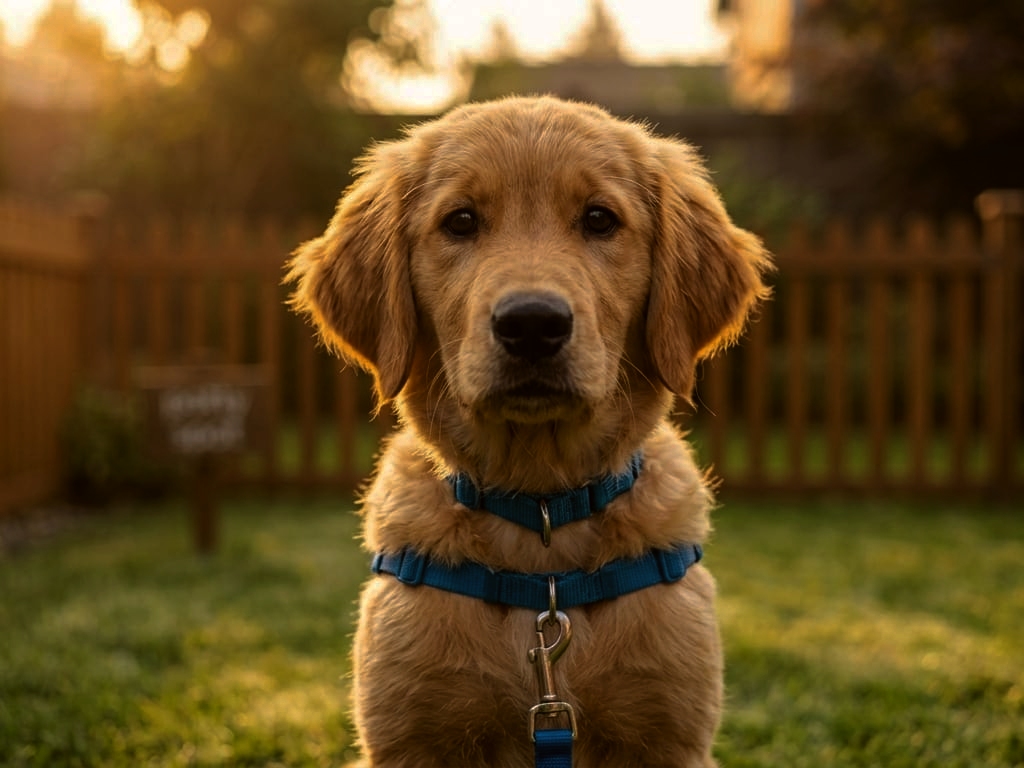
Potty training a puppy goes beyond just avoiding accidents; it’s the first step toward a well-adjusted, orderly, and thriving household. Puppies, after all, aren’t born understanding house rules. Without clear direction, they’ll act on their instincts, which can lead to a lot of confusion, messes, and, let’s be honest, a fair bit of owner frustration.
Effective Potty training provides your puppy with essential skills: bladder control, the ability to wait, and, importantly, respect. It also strengthens the bond between you and your dog. By sticking to a regular schedule, using the right tools—like crates or puppy pads—and offering guidance when needed, you can help your puppy become a well-mannered member of the family, keep your home clean, and avoid future behavioral problems. This guide will walk you through every step of the process, helping your puppy develop into a dependable, house-trained friend.
Why Potty Training Is the Foundation of a Happy Home
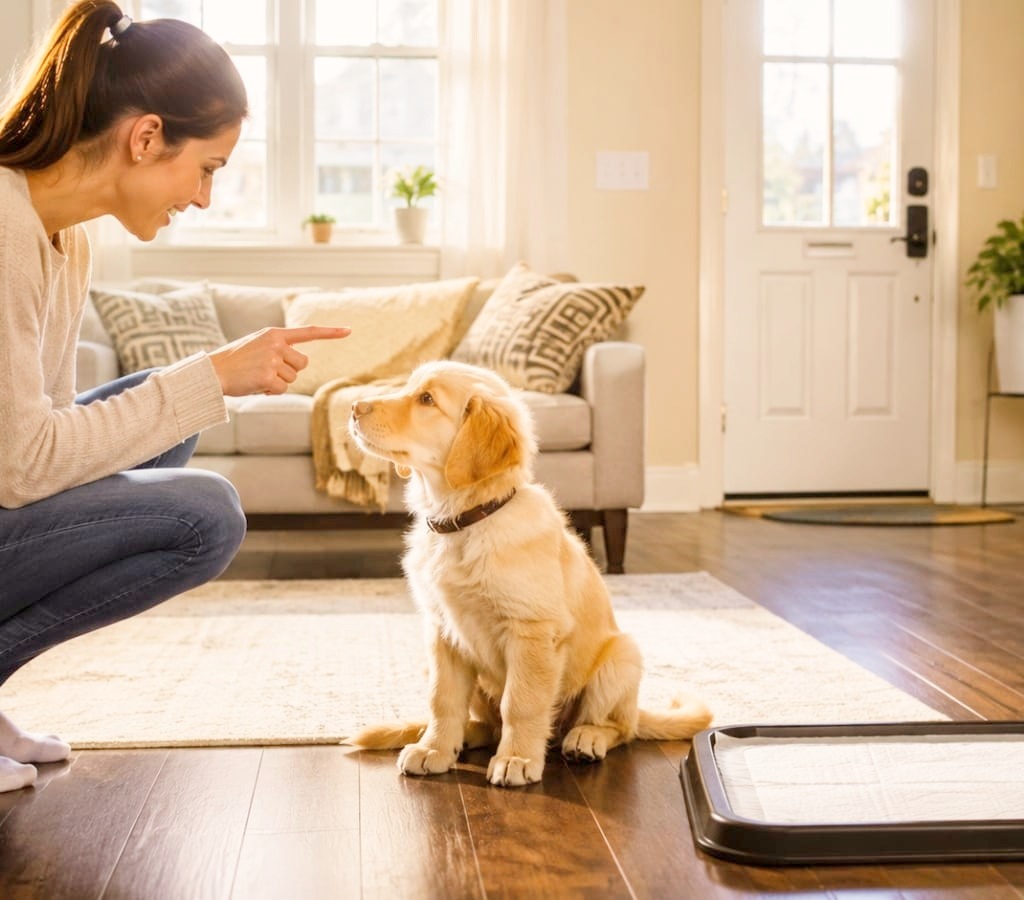
Potty training is not only about cleaning your carpet, but also the first lesson in discipline and the connection between you and your dog. At birth, dogs do not know that the living room is not a bathroom. Without clear guidance, the dog naturally follows habits, which creates unhygienic conditions and unnecessary stress for the owner. You can give a sense of security by creating a potty space for the puppy. They remain happy to know what is anticipated from them. Moreover, successful potty training prevents long-term behaviour and ensures your home becomes fresh and welcoming for all.
Building a Lifelong Bond Through Patience
Potty Training is a unique chance to make a relationship. When you train your dog with patience rather than frustration, then she will see you as a trustworthy leader. Positive reinforcement, such as saying ” Good boy or giving a small treat, creates a win-win situation. Your puppy feels proud and happy, and you get a well-behaved pet. This mutual respect forms the basis of all future obedience training.
Promoting Long-Term Hygiene and Health
A future potty routine is essential to maintain a clean home. Obviously, besides dirt, the lingering odor also leads the puppy toward this place; it becomes a chain of continuous accidents. Early training helps them with bladder control and holding back until reaching the specific place. This is not only to clean your floor, but also to prevent the diffusion of bacteria and germs.
When is the Best Time to Start Potty Training
Timing is very important for dog training. Most experts consider the golden window to start between 8 and 12 weeks. In this period, puppies are physically ready to control their urination and defecation, and they are too small to learn without first unlearning previous bad habits. If you delay too much, the puppy considers the whole house their territory, and the training process becomes too long and difficult.
Understanding Your Puppy’s Physical Limits
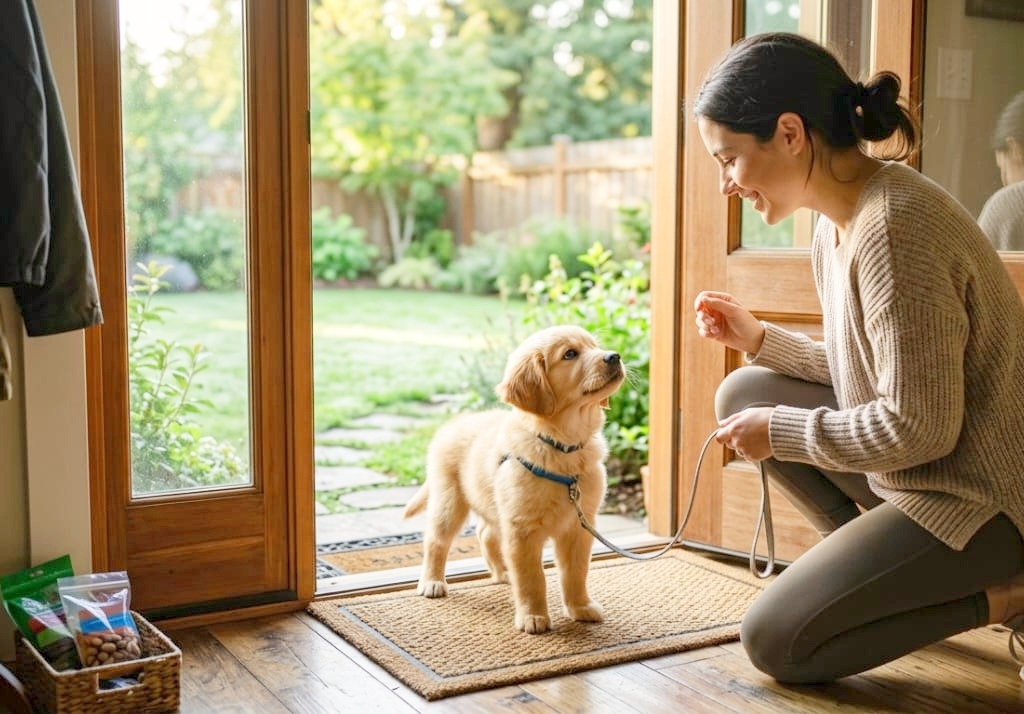
It’s very important to keep in mind that the puppy’s bladder is very small. A common rule is that puppies can control their urine for about an hour for every month of their age. For example, a two-month-old puppy can hold their bladder for two hours before needing a break. As they reach 18 months, their physical abilities develop, and the training process becomes too easy. Being mindful of these biological limits prevents you from many problems.
Can You Potty Train an Older Dog?
It’s better to start potty training a puppy, but it’s wrong to say that an old dog does not learn new habits. Adult dogs, especially those from a shelter, may have old habits and the problem of accidents, but they have greater physical control than puppies. The method of potty training does not change: hectic schedule, constant observation, and Substantial rewards upon achievement. Giving some extra time, even if a senior dog can be completely trained at home.
Proven Methods for Potty Training Success
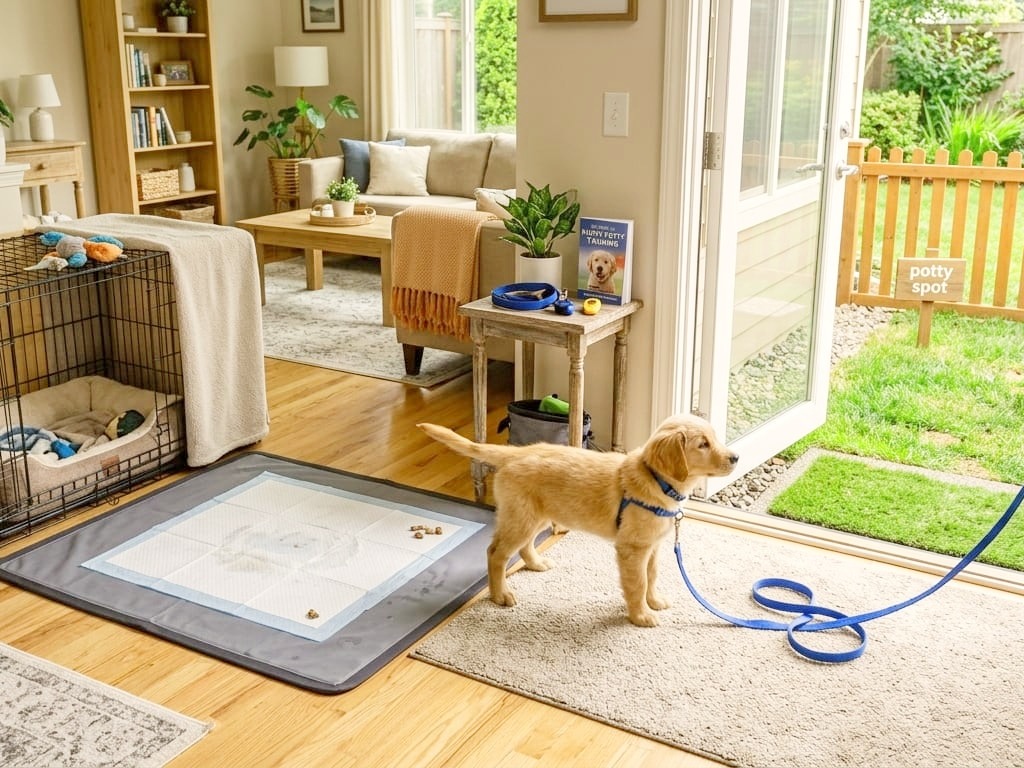
No one method is correct for everyone, but three methods are considered very effective. Crate training is successful for everyone because it harnesses the dog’s instinct to keep its sleeping area clean. Puppy pads are a practical alternative for apartment dwellers or those with limited access to going outside, and they can sometimes make the transition to grass a bit trickier. Lastly, outdoor potty training is the method used to instruct puppies on the first day, as the outdoor environment is suitable for them.
The Strategy of Crate Training
The crate should be a den for the puppy, not a punishment. It is just as large as that puppy stand, turns, and lies. If it is too large, they can use one corner for the bathroom and sleep in another corner. Although dogs do not dirty their sleeping place, a crate helps control their urination until you take them out. This is an effective method when you don’t supervise them directly, and is used for overnight training.
Navigating Puppy Pads and Indoor Spots
If a pad is needed, position it in a quiet area. A scent attractant can help, signaling the puppy to use it. While pads are convenient, outdoor training should begin as the puppy is vaccinated or older. Prolonged pad use can confuse the dog about where it’s appropriate to go.
Establishing a Reliable Potty Training Schedule
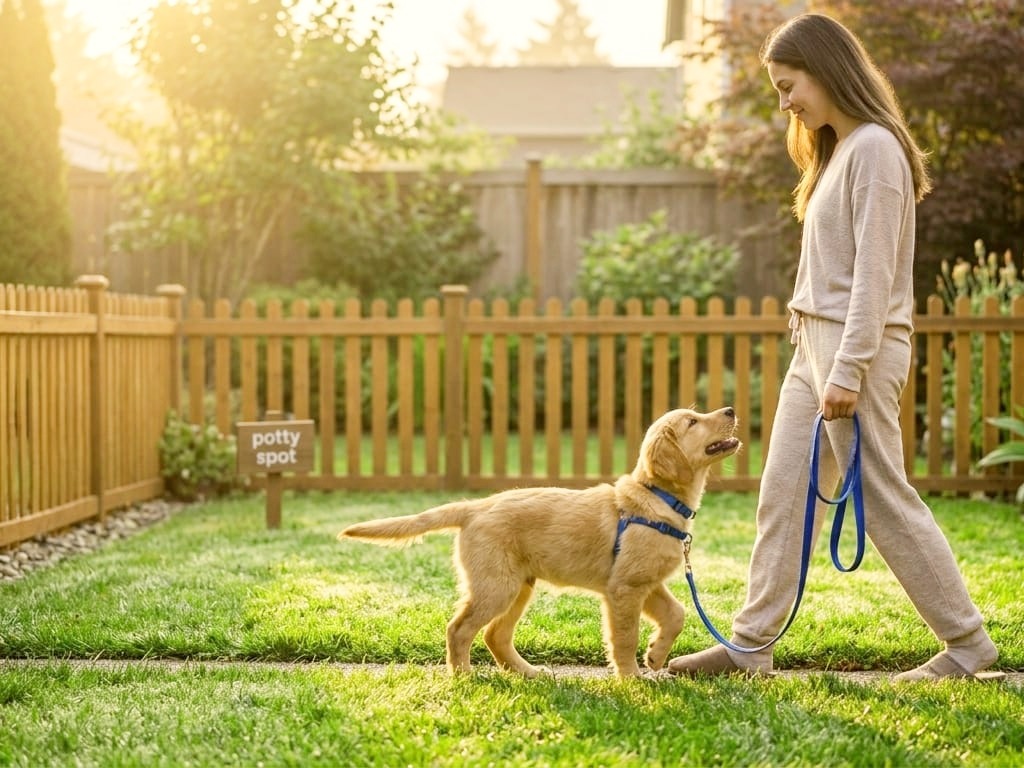
Consistency is the key to potty training at home. If there is no proper routine, your puppy will always behave erratically, which could lead to accidents and problems. A successful schedule is about four things: Immediately after waking up, shortly after eating, after playing, and before playing.
If you already estimate these needs, you can prevent accidents before they happen. To follow the same routine every day, puppies’ digestive systems become accustomed to your schedule.
Reading Your Puppy’s Body Language during Potty Training
Puppies give some signs before they go. Some symptoms include repeatedly sniffing the ground, moving in small circles, and suddenly sobbing or suddenly leaving the room to find a quiet corner. When you see all these symptoms, immediately pick them up and take them outside. Your timely actions make a difference between a mistake and a learning opportunity.
Handling Accidents and The Power of Rewards
Accidents are an inevitable part of learning. How you treat them determines whether your puppy can learn. The golden rule is you don’t punish your puppy for any accident. Rubbing their nose or yelling only teaches them to be afraid of you. It doesn’t teach them where to go. Instead, focus on “Catch and Redirect.” If you caught them in the act, it’s better to take them to the grass and a stuffed place. After that, you find any dirt, clean it, and move on.
The Importance of Enzymatic Cleaners
Standard household cleaners often contain ammonia, which smells like the urine to a dog. This actually encourages them to soil the same spot again. You must use an enzymatic cleaner that specifically breaks down the proteins in pet waste. This completely removes the scent from a dog’s sensitive nose, effectively “deleting” the spot from their mental map of bathroom locations.
Faqs
What is the quickest way to potty train a puppy?
Begin by bringing your pup to the same outdoor area every hour or two, particularly after meals, naps, or playtime. When they go where they’re supposed to, reward them with a treat and plenty of verbal encouragement right away, help them link the behavior to a positive outcome.
How old should a puppy be to be fully potty trained?
Most puppies are fully trained between 4 and 6 months of age, though some may take up to a year depending on their breed and consistency. You’ll know they are ready when they can reliably hold it for several hours and start signaling you to go outside.
How do I stop my puppy from peeing and pooping in the house?
Puppies can be house trained not to pee and poop in the house with a consistent potty routine and proper training. Take your puppy outside often, particularly after meals, naps, playtime, and before bed. Look for signs like sniffing, circling, or whining. These are often signs your puppy needs to go outside. When the puppy goes in the right place, immediately give it a reward in the form of treats, praise, or affection so it knows what behaviour you want.
Conclusion
Potty training is a marathon, not a sprint. Some puppies “get it” in two weeks, while others might take six months. The key is to stay calm and consistent. Every accident is just a data point that tells you to adjust your schedule or supervise more closely. With time, your puppy will become a reliable, house-trained member of the family, making all the early morning trips to the backyard well worth the effort.
