
The journey begins with getting a puppy. Besides love, care, and training, it is important to give your furry friend enough rest to support healthy growth. A well-planned puppy sleep schedule helps your puppy’s physical development, learning, and emotional well-being, and helps develop good habits. Knowing how much sleep puppies need during each stage can help you establish a routine that is appropriate for your puppy’s age and energy level.
A consistent puppy sleep schedule, a comfortable puppy sleep environment, a healthy puppy sleep routine, and knowing normal puppy sleeping patterns can all help ensure your puppy has better days, peaceful nights, and a healthier start to life.
How Much Sleep Do Puppies Need?
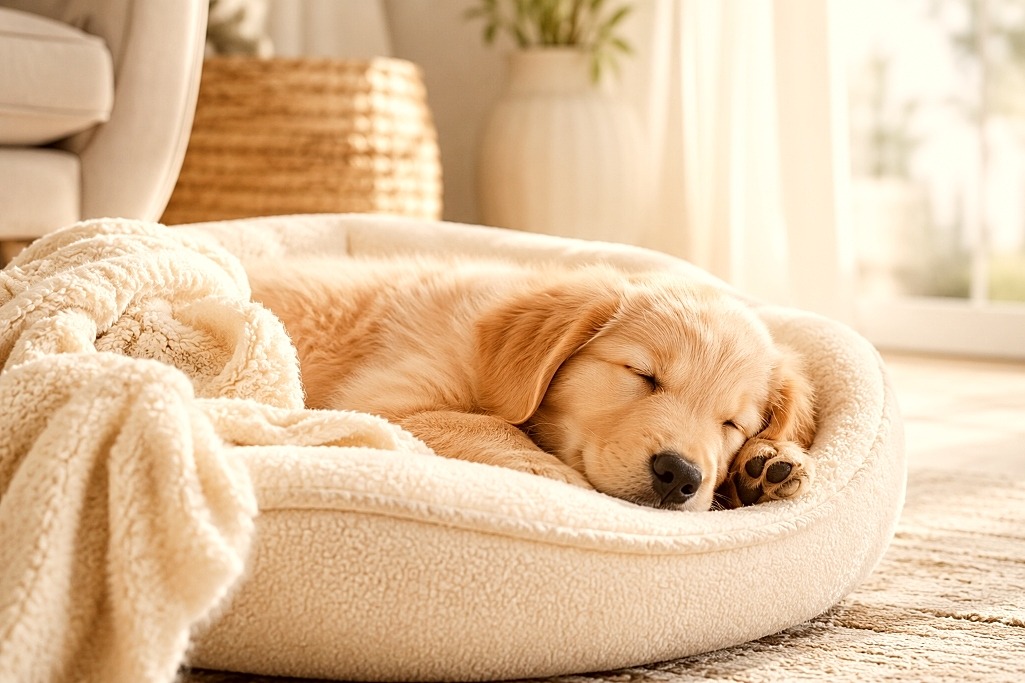
Young puppies need a lot more sleep than adult dogs; they are growing every day. Most puppies sleep 18 to 20 hours during the first few months. The amount of sleep they get each day declines slowly as they get older. Knowing how many hours puppies need to sleep and how much sleep puppies need will help you create a healthy routine that works for your puppy’s age.
Each puppy is different, so the amount of sleep will vary somewhat. Some breeds stay active longer, while others enjoy taking extra naps. Never compare your puppy to someone else’s. Set up a regular schedule for your new puppy’s sleep, observe how your puppy sleeps, and make small adjustments as your puppy grows older.
Sleep Needs by Puppy Age
Your puppy’s sleeping habits will change as he gets older. Puppies get tired easily after eating, playing, or training, so they need frequent naps. Understanding what is normal at each stage means knowing a basic puppy sleep schedule by age, normal puppy naps by age, and a healthy puppy sleep cycle.
| Puppy Age | Total Daily Sleep | Average Naps |
| 8–12 Weeks | 18–20 Hours | 5–6 |
| 3–4 Months | 16–18 Hours | 4–5 |
| 4–6 Months | 15–17 Hours | 3–4 |
| 6–12 Months | 12–15 Hours | 2–3 |
What Is a Good Bedtime Routine for Puppies?
Your puppy is ready for a good night’s sleep, thanks to a calm evening routine. Serve dinner a couple of hours before bedtime, let them make a last trip to the potty, and keep playtime low-key. A typical Puppy bedtime routine involves a calming Puppy night routine and a warm Puppy sleep environment to allow your puppy to settle without getting overexcited.
A regular bedtime every night teaches your puppy what to expect. Dogs learn by repetition, so being consistent helps them gain confidence. A quiet sleeping zone promotes a healthy Puppy circadian rhythm, improves Dog sleep, and helps develop better Puppy sleeping habits from an early age.
Why Do Puppies Sleep So Much?
Some new dog owners think their puppy is sleeping too much. They intentionally wake the pet during the day so that it “sleeps better at night.” Others wake to sleep for playing or petting. But puppies sleep so much for a reason. Puppies grow at a furious rate during puppyhood. Bones, muscles, and your brain (and therefore nervous system) need lots of energy to grow properly. Dogs who don’t get enough sleep can suffer stress, anxiety, aggression, and other behavioural issues.
Just imagine: a dog grows up in one year just as a human grows up in 18 years!
Physical Growth and Development
When your puppy sleeps, his body repairs muscles, strengthens bones, and releases growth hormones. These natural processes cannot occur properly without enough rest. Good Dog care, healthy Puppy growth, and quality Puppy sleep all contribute to a solid foundation for adult life.
Energy Recovery and Brain Development
Each new experience teaches your puppy something important. Sleep helps the brain sort out those memories and helps with future learning. Your puppy will get enough quality rest if they have a good daily schedule, a balanced puppy sleep routine, and regular puppy training sessions, which are all so much more effective.
How to Set a Sleep Schedule for a Puppy?
The secret to a successful Puppy Sleep Schedule is consistency, not perfection. Try to maintain consistent feeding, potty breaks, playtime, training, and nap times each day. A predictable Puppy daily schedule or balanced Puppy nap schedule, and a steady Puppy routine help your puppy understand when it is time to rest and when it is time to play.
Your puppy is a better clock than the clock. If your puppy is moving more slowly and losing interest in toys, it’s probably time for a nap – or a yawn. It’s easier to learn how to set a puppy’s sleep schedule if you work with your puppy’s natural energy levels instead of forcing a schedule on him.
How to Get a Puppy to Sleep Through the Whole Night?
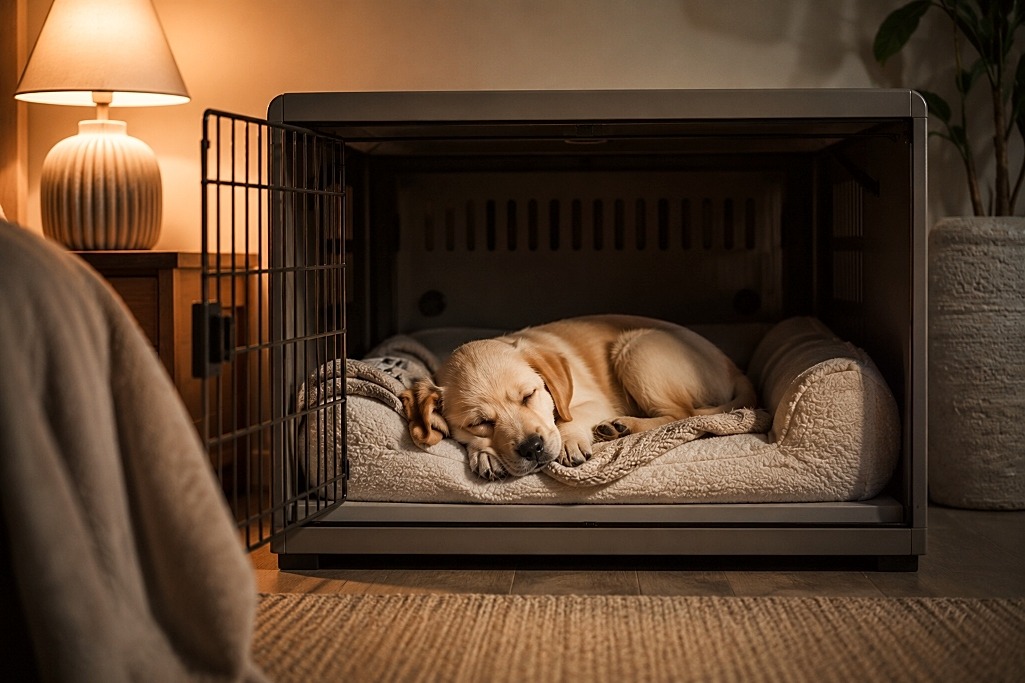
Most young puppies wake up at night because they have small bladders. It’s very normal and often gets better with age. A steady Puppy Sleep Schedule. Calm evenings and regular potty breaks help your puppy sleep longer. It is much easier to figure out how to get a puppy to sleep through the night with patience.
Don’t play exciting games before bed; they increase energy and don’t help you to sleep. Last hour quiet with a bit of interaction and a short toilet break. A consistent Puppy bedtime routine and calm Puppy sleep space will help your puppy fall asleep quickly and wake up rested.
Create a Consistent Bedtime Routine
Set a bedtime that works for your lifestyle and stick to it every day. Have dinner early, take your puppy out for one last walk, and enjoy some quiet minutes before bed. A regular Puppy night routine and Puppy sleep routine for new owners create long-term sleep habits.
Make the Environment Sleep-Friendly
Your puppy should sleep in a quiet place away from loud noises and bright lights, and should be comfortable. A soft bed or crate will give security and encourage a deeper rest. Proper Puppy crate training for sleep or a quiet, comfortable place to sleep for your puppy can go a long way toward reducing nighttime disturbances.
What Time Should the Puppy Go to Bed?
No single bedtime will work for all puppies. Most puppies sleep well an hour after dinner and their last potty break. If you’re wondering what time a puppy should go to bed, then choose a practical time that you can stick to each night. The precise hour is not as important as consistency.
Puppies naturally sleep longer at night as they grow. “Sticking to the same bedtime helps their body clock adjust.” A consistent Puppy bedtime, a healthy Dog routine, and consistent Pet care habits make for calmer evenings for everyone in the house.
Sample Puppy Daily Schedule
A simple routine helps puppies feel safe because they know what comes next. Following a balanced Puppy daily routine and sleep schedule also prevents overtiredness and supports healthy development. You can adjust the times to suit your family’s lifestyle while keeping the same daily order.
| Time | Activity |
| 7:00 AM | Wake up and potty break |
| 7:30 AM | Breakfast |
| 8:00 AM | Playtime and training |
| 9:00 AM | Morning nap |
| 12:00 PM | Lunch |
| 1:00 PM | Afternoon nap |
| 3:00 PM | Walk and play |
| 6:30 PM | Dinner |
| 8:30 PM | Final potty break |
| 9:00 PM | Bedtime |
Is Your Puppy Sleeping Too Much?
It’s normal for puppies to sleep for lots of hours. But sudden change should be watched. If your puppy won’t eat, appears weak, or doesn’t want to play, then it’s time to take him to the vet. Knowing the difference between normal rest and a Puppy sleeping too much helps to protect your puppy’s health.
Healthy puppies generally wake up after a nap full of pep. If fatigue persists throughout the day, pay attention to other symptoms. By understanding normal puppy health, common behaviour, and sleeping habits by age, you can easily tell when something is wrong.
How to Help Your Puppy Sleep?

If you have ever raised a puppy, you know the feeling: You bring your puppy home after a long, exciting day. They start chewing things they normally shouldn’t (emphasis on normally) and acting up with you. This classic pattern is a sign that they need a nap.
Just like human babies, puppies can get overtired, especially if their senses are overstimulated. They don’t always know when to go to their dog bed, because their desire to learn is bigger than their desire to sleep. Fortunately, there are several things you can do to promote nap time.
Burn Off Excess Energy
Safe exercise and short training sessions make active puppies sleep better. Games, walks, and puzzles work the body and the mind. Consistent training and regular naps for your puppy will keep your puppy from becoming overtired.
Adjust the Lighting and Noise
A quiet room allows you to sleep longer and more deeply. Reduce the lights and household noise after bedtime and avoid all unnecessary disturbances. A calm Puppy sleep environment helps your puppy relax each night naturally or promotes better Dog sleep.
FAQs:
What is the hardest puppy stage?
- The hardest stage is usually between 8 weeks and 6 months of age.
- Puppies are full of energy and curious about everything around them.
- Teething often leads to chewing and playful biting.
- House training and learning basic commands require time and patience.
- A consistent routine and positive training make this stage much easier.
Should I ignore a puppy crying at night?
- No. First, check if your puppy needs a potty break, food, water, or comfort.
- If all of your puppy’s needs have been met, avoid rewarding every cry with attention.
- Keep the environment calm and help your puppy feel safe.
- Most puppies stop crying at night as they settle into a regular bedtime routine.
What is a red flag behavior in puppies?
- Repeated aggression or biting without an obvious reason.
- Extreme fear, hiding, or avoiding people all the time.
- Refusing food or water for an extended period.
- Having little interest in playing or interacting with others.
Is my puppy cold at night?
- Yes, puppies can get cold more easily than adult dogs.
- Shivering or curling up tightly may be signs that your puppy is cold.
- Provide a warm, comfortable bed in a draft-free area.
- Keep the room at a comfortable temperature throughout the night.
- If your puppy still seems cold or uncomfortable, consult your veterinarian.
Conclusion
Every puppy grows at their own rate, so there is no one perfect routine that suits everyone. Be patient and observe your puppy’s needs on a day-to-day basis. A consistent Puppy Sleep Schedule, a simple Puppy sleep routine, healthy Puppy sleeping habits, proper Puppy sleep needs, and a calm Puppy sleep environment will help your puppy grow into a happy, confident, well-rested companion.
