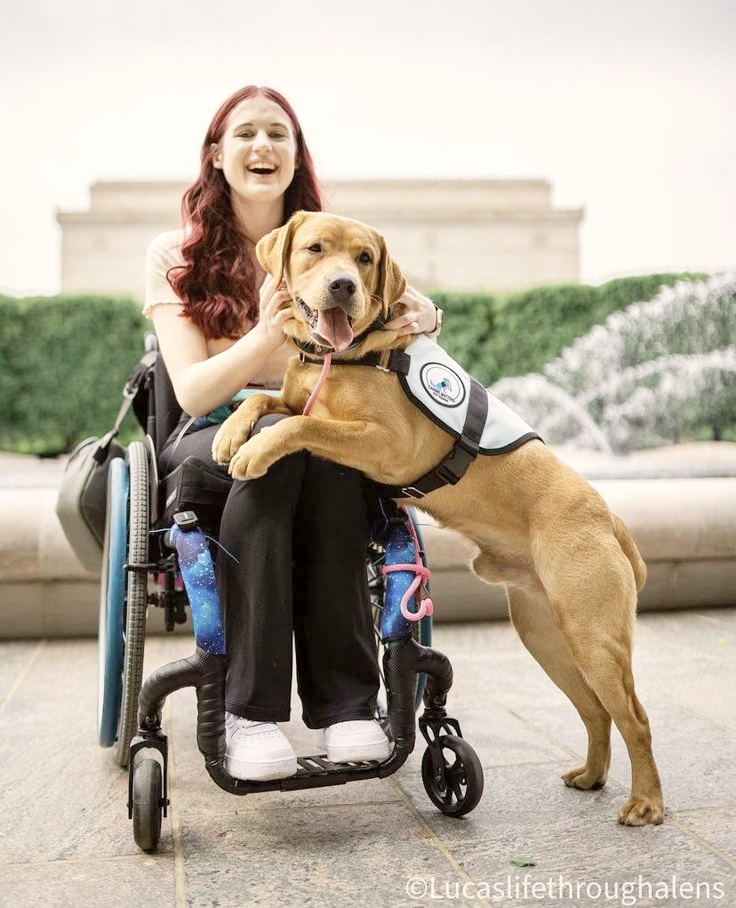
Our dogs are important members of our everyday life. They follow our commands, assist us in various jobs, and are our faithful friends. Dogs are good for your health. Service dogs have these abilities, plus training to do specific tasks for people with disabilities. In the last ten years, the use of service dogs has grown exponentially. However, there have been further problems which may be due to a lack of understanding of service dog training, working functions, and access to public facilities.
What Is a Service Dog?
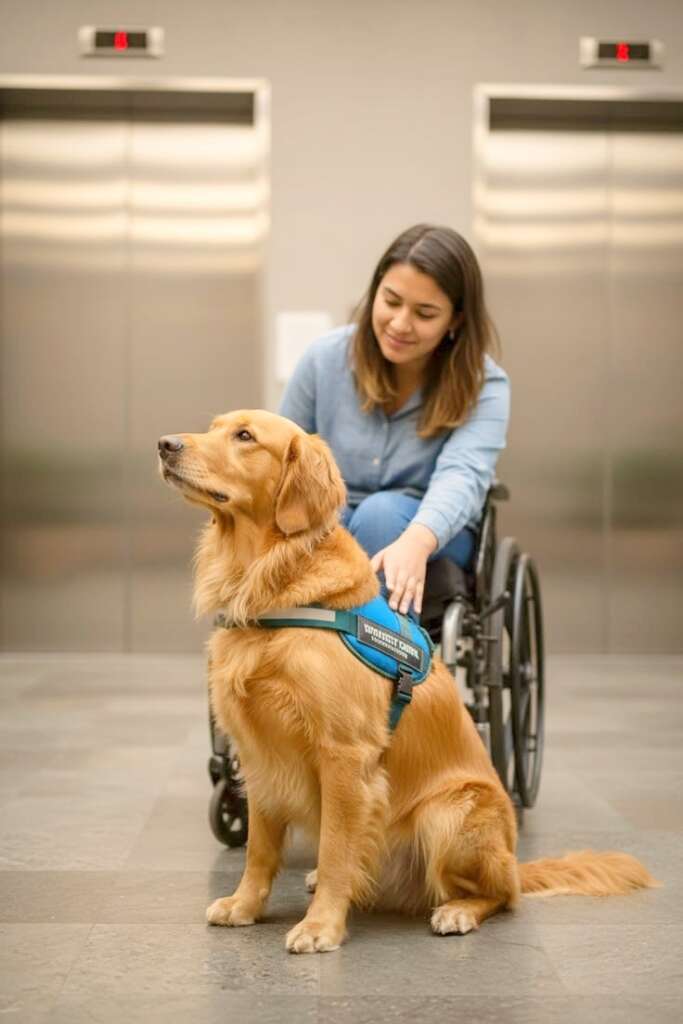
Service dogs are trained to perform specific tasks to assist their handler with independence. They are also referred to as assistance animals or helper dogs outside the U.S. The official Americans with Disabilities Act (ADA) requirements say that the animal, regardless of breed or size, must be individually trained to work or perform tasks for a person with a disability. Service dogs are trained companions that are not just pets, but rather working animals, and must undergo extensive training to perform specific activities that benefit their handlers.
How Do Service Dogs Become Trained?
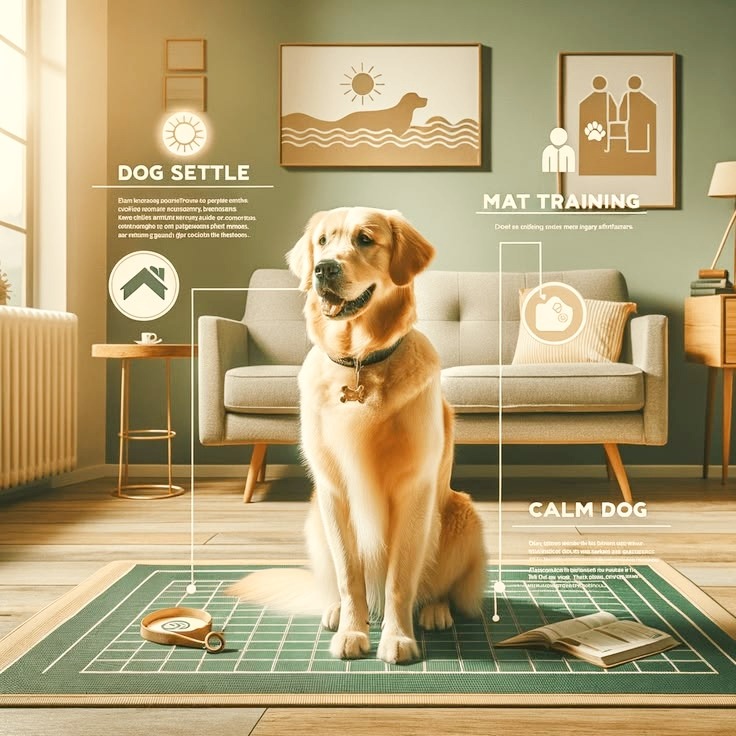
It’s a lot of work to make a service dog. Most dogs begin their long training as puppies with a puppy raiser who provides opportunities for socialization and teaches them basic obedience. If the pup’s temperament and trainability are a good fit for life as a service dog, they will move on to more advanced training, which focuses on task-oriented behaviors for their human’s needs.
Common Service Dog Breeds

There are no breed restrictions that would prevent any dog from being a service dog. Mixed breeds can make wonderful service pets for those seeking a dependable, friendly, focused dog with a love of having a job to do. Although service dogs are not defined by breed, some dogs are often chosen for service dog work because of their temperament, intelligence, and physical traits.
Mobility Assistance Dogs
Service dogs can be invaluable for people with limited mobility, like wheelchair users. Dogs trained to help people with mobility can open doors, press buttons, turn lights on and off, and more. They can also pick up dropped objects or things out of reach.
Allergy Detection Dogs
The Asthma and Allergy Foundation of America estimates that around 20 million Americans have a food allergy. However, there are some other types of allergies, including seasonal, skin, and insect allergies. Severe allergies can lead to anaphylaxis, a life-threatening reaction that can cause difficulty breathing and shock. An allergy detection dog is trained to detect and warn its owner of allergens such as peanuts or eggs.
Diabetic alert
Diabetic alert dogs are trained to identify blood sugar changes and can alert owners before the situation becomes serious. The dogs are trained to identify blood sugar highs and lows using sweat samples.
Mental health support
A mental health service dog is a specialized service animal trained to assist people with disabling mental health conditions. These can include post-traumatic stress disorder (PTSD), schizophrenia, depression, bipolar disorder, and anxiety. Mental health service dogs can be trained to remind a person struggling with daily activities to wake, shower, or eat.
Hearing Dogs
Hearing dogs, as the name suggests, are trained to help their deaf and hard-of-hearing partners. If the dog hears a particular cue, they alert their owner and guide them to the sound. These cues could be smoke or fire alarms, doorbells, someone at the door, phones, alarm clocks, or even the person’s name. Like other support dogs, hearing dogs increase their partners’ independence and vigilance, at home and away.
Guide Dogs h3
The most popular service dog is the guide dog, which assists blind and visually impaired people in moving around safely. For instance, their owner may instruct them to cross a road, but they won’t follow the instruction if vehicles are approaching them.
Commonly, the Labrador, Golden Retriever, and German Shepherd breeds are trained as guide dogs. Should there be an allergic reaction between partners, one may choose either a labradoodle or a poodle, since they are hypoallergenic.
Psychiatric Service Dogs
The support dogs also help their partners gain the confidence needed to enter their house. The psychiatric service dogs are the most common types of service dogs when it comes to PTSD. One thing to keep in mind is that there is a difference between psychiatric service dogs, emotional support dogs, and therapy dogs.
Autism Service Dogs
The autism service dogs are designed to prevent kids with autism from getting away or tracking them if they do get lost. Autism service dogs can also interrupt negative actions by the person they working with or warn their parents about danger. In case the one they are serving is young and/or non-verbal, the autism service dogs need to have emergency protocols and contacts.
Service Dogs vs Therapy Dogs vs Emotional Support Dogs
| Feature | Service Dog | Therapy Dog | Emotional Support Dog |
| Individual task training | Yes | No | No |
| Public access rights | Yes | Limited | Limited |
| Supports disability | Yes | No | Emotional comfort |
| Protected by disability laws | Yes | Varies | Limited |
FAQs
What are service dogs mostly used for?
Service dogs are trained to help people with disabilities by performing tasks that help them be safer, more independent, and better able to do their daily tasks.
Who is eligible for a service dog in Australia?
In Australia, people with a diagnosed disability whose daily functioning is significantly improved by a specially trained assistance dog are generally eligible for a service dog.
What is the best dog for a service dog?
The Labrador Retriever is considered the best service dog.
Which dogs can’t be service dogs?
Dogs with persistent aggression, extreme fearfulness, poor health, or an inability learn and perform trained tasks are generally unsuitable to become service dogs.
What dog is known as the heartbreak breed?
The Doberman Pinscher is often called the “heartbreak breed” because of its high risk of developing dilated cardiomyopathy (DCM), a serious inherited heart disease.
Conclusion
The wonderful world of service dogs is making a difference in people’s lives. Be it guide dogs for blind people, medical alert dogs, hearing dogs, mobility assistance dogs, or psychiatric service dogs, they do an important job that enables people to be more independent and confident.
Knowing the types of service dogs there are will help you learn how these amazing animals make life better with their skills, loyalty, and devotion. Regardless of whether you need to find a suitable service dog for yourself or increase your knowledge base, finding the right trained companion will probably be one of the most important choices you ever make.
