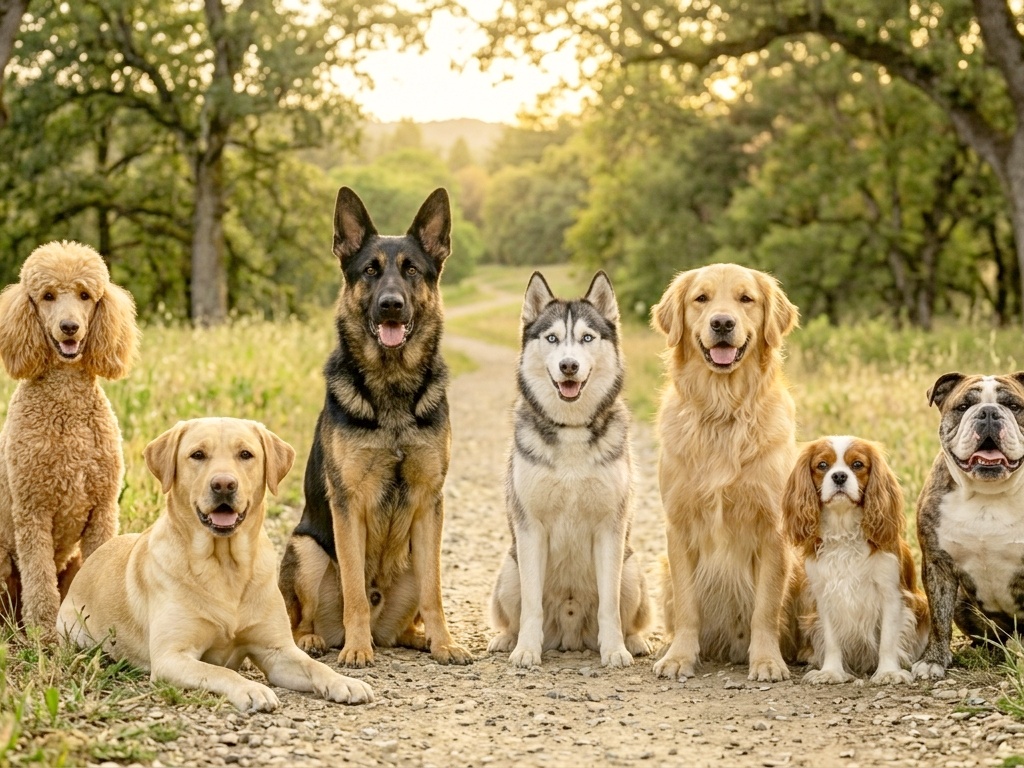
Dog breeds have different personalities, habits, and energy levels, so choosing the right one for your lifestyle and family can help create a happy and long-lasting bond. With hundreds of dog breeds to choose from, it can feel like you’re standing in front of a giant buffet with one tiny plate. Each breed has its own quirks, habits, and personality traits. Some dogs love to get muddy, and some want to snuggle up next to you like a warm blanket on a rainy night.
This comprehensive dog breed guide helps you to figure out which breed is really right for your lifestyle, home, and personality. Many people choose dogs based on looks alone. But the choice often comes back to bite later. A cute, fluffy puppy today may be an uncontrollable monster tomorrow. Learning about a dog’s background, energy level, grooming requirements, and behavior patterns can help you avoid unpleasant surprises.
What Is a Dog Breed and Why Does It Matter?
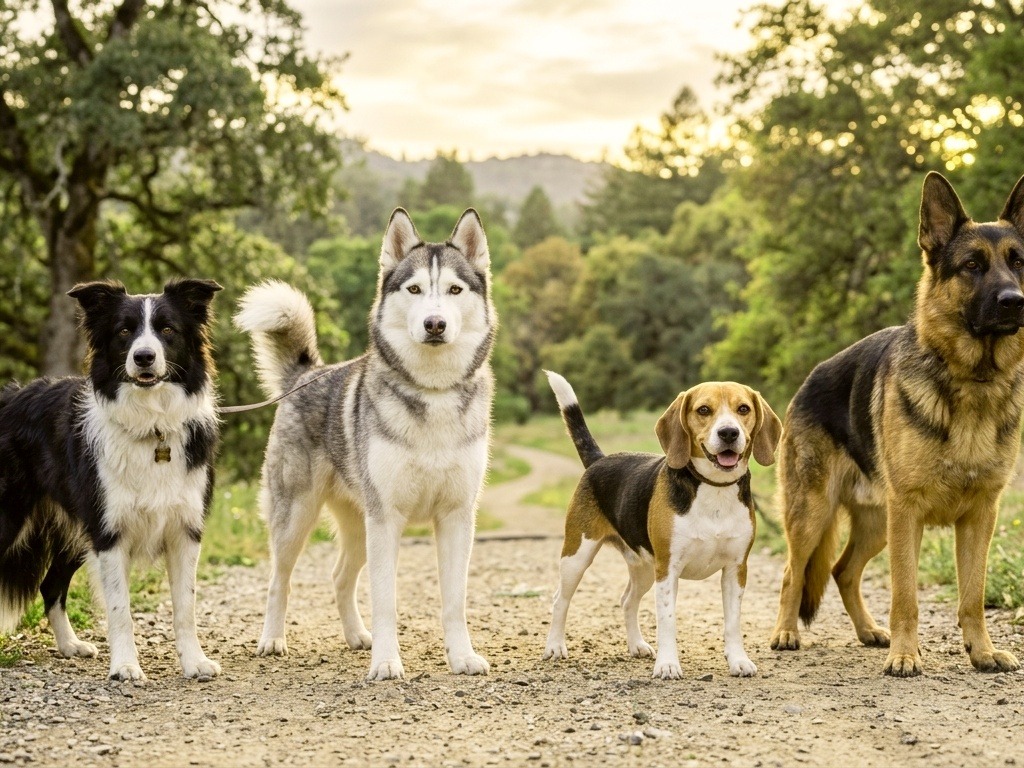
A dog breed is more than a name on adoption papers. Over hundreds of years, breeds were developed for specific jobs, such as guarding farms, herding sheep, pulling sleds, or protecting homes. That history still informs modern behavior. A Border Collie might naturally herd the kids around the living room, while a Husky will often be longing for endless movement. Learning about the breed will help you set more realistic expectations when you bring one of these great pets home.
Selective breeding dramatically altered canine behavior in a few generations. Hunters have a good nose, and shepherds wanted smart workers who could make decisions quickly. That process today’s working dogs, companion dogs, and sporting breeds. Some people like purebred dogs because they are more predictable in size and personality.
Purpose of Selective Breeding
Humans shaped dogs like artists sculpting clay. The old breeders bred for what was needed: speed, intelligence, stamina, loyalty. German Shepherds, for instance, were excellent protectors because breeders valued alertness and obedience. Meanwhile, beagles gained amazing scent-tracking abilities. These inherited instincts still affect the temperament of today’s modern dogs.
Purebred vs Mixed Breeds
Purebred dogs usually have predictable looks and personalities. Mixed breeds often turn out to be an interesting combination of different bloodlines. Some owners like the predictability of known traits, others like unique combinations. With the right environment, both can become amazing family dogs.
How to Choose the Right Dog Breed for Your Family
Your lifestyle is far more important than current trends or popularity on social networks. Many types of dogs will require strenuous, prolonged exercise every single day, while others would much rather relax next to you during a movie night. Choosing a breed that is incompatible with your lifestyle is like buying racing shoes for someone who doesn’t like to run! Therefore, it is important to consider your daily schedule, energy levels, and budget before selecting one of the many breeds available.
If you are a busy professional, you may prefer a low-maintenance breed; this means fewer trips to the groomer and less physical activity. Many professionals consider this more important than how the dog looks.
| Lifestyle Factor | Best Match |
| Small apartment | best apartment-friendly dog breeds |
| Active runners | high-energy dog breeds for active people |
| Families with children | dog breeds that are good with children |
| Seniors | calm dog breeds for indoor living |
| Allergy concerns | hypoallergenic dog breeds for allergies |
Lifestyle Compatibility
An active Husky in a small apartment will probably become restless and result in destructive behavior, while a relaxed Bulldog would likely thrive in a quieter environment.
Space and Living Conditions
Large breed dogs must have the right temperament. In fact, some large breeds can be good companions, while many small breeds bark all day long indoors. For this reason, knowing how much exercise a dog needs each day is a more significant concern than knowing how much space it takes to walk it.
Dogs for Kids and Beginners
Labrador Retrievers and Golden Retrievers are typically considered the best family dog breeds for children because they are so patient and easy to train. These two breeds also fit according to most people who are new to dog ownership.
Dog Breeds by Size
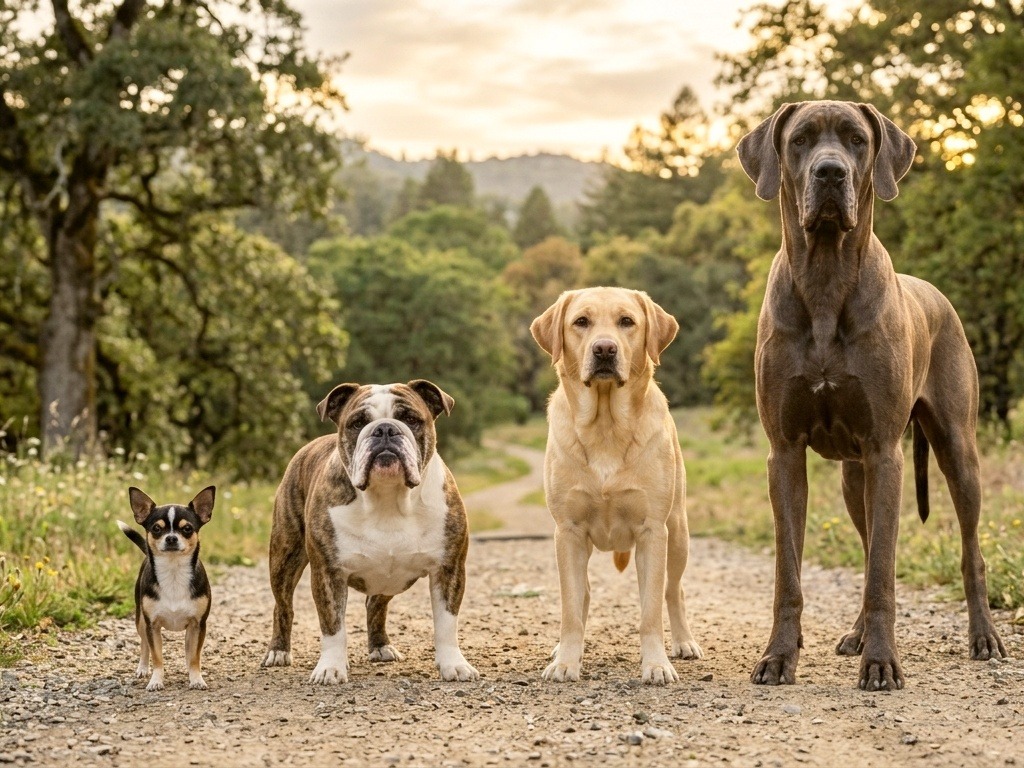
Dog size influences all facets of pet ownership, such as feeding costs, the need for space to sleep, exercise, and travel convenience. Tiny breeds can be comfortable to raise in apartment-style living, while giant breeds require substantially larger sleeping space and stronger equipment.
| Size Category | Example Breeds |
| Small | Chihuahua, Pomeranian |
| Medium | Bulldog, Border Collie |
| Large | Labrador Retriever, German Shepherd |
| Giant | Great Dane, Saint Bernard |
Small Dog Breeds
Many small breeds, such as Maltese and Shih Tzus, are well adapted to city life due need for little space, so they are excellent small breeds for apartments.
Medium Dog Breeds
Medium-breed dogs tend to offer a blend between small and large breeds, as they are typically a suitable size for average-sized families and have playful personalities.
Large Dog Breeds
If these dogs are trained, many large-breed dogs can turn into very loyal guardians. German Shepherds and Labrador Retrievers remain among the most popular breeds worldwide primarily because of their intelligence and love of people.
Giant Dog Breeds
Giant breed dogs can appear intimidating to some people, but can actually act tame when they are inside. However, owners of such dogs should be prepared to pay substantially higher food costs.
Dog Breeds by Temperament and Personality
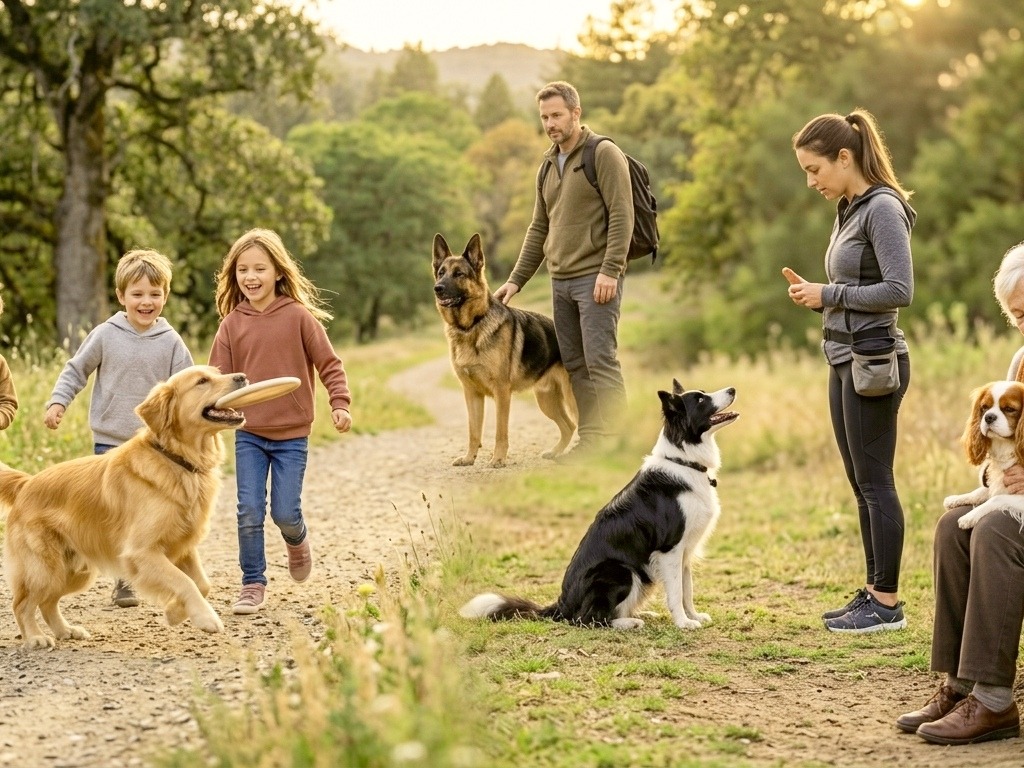
Some dogs are exuberantly friendly with strangers while others are much more reserved. Some breeds thrive on being continually petted, whereas others enjoy time alone from time to time. By understanding how different personalities exist, you will have a deeper bond with your canine companion.
Friendly Family Dogs
Golden Retrievers, Cavaliers, and Labradors commonly exhibit very friendly behaviour. Because of their friendliness towards children, company, and socialising, these breeds are among the top affectionate dog breeds for families.
Protective Guard Dogs
Rottweilers and German Shepherds are known as excellent guard dog breeds because they have a definite latent protective instinct.
Intelligent Dog Breeds
Border Collies and Poodles regularly appear on the list of the smartest dog breeds due to their remarkable ability to learn. Experts across the globe rank these two breeds at or near the top of lists of the smartest dog breeds.
Independent vs Affectionate Dogs
Some pets follow their owner around as if they were little shadows, while others like some degree of personal space. Creating balance in a relationship can be accomplished through an understanding of emotional needs.
Dog Breeds by Energy Level and Trainability
Dog ownership is profoundly affected by the energy levels of available dog breeds. High-energy dog breeds require a significant amount of physical activity and mental stimulation, and often become bored. On the other hand, low-energy dog breeds typically find it easier to fit into a leisurely home or busy schedule.
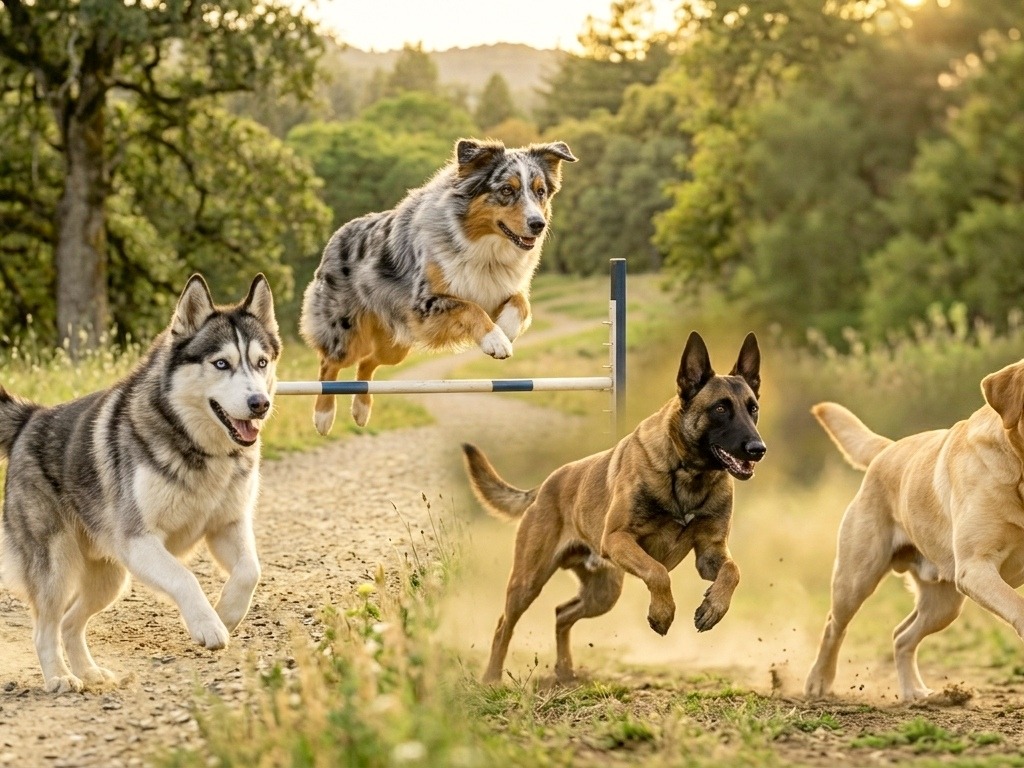
How quickly a dog will train is also an important aspect of determining which breed to get. Some dog breeds learn new commands quickly, while others will take a great deal of work and patience to train. Regardless of your dog, however, using consistent commands, providing rewards, and positive reinforcement while training will help ensure a successful outcome.
The most active dog breeds are Siberian Huskies, Australian Shepherds, and Belgian Malinois. These dog breeds will do best with hiking, running, and other advanced activities.
Some of the easiest dog breeds to care for if you have a busy schedule include French Bulldogs and Basset Hounds; they require very little exercise and have simple routines. The easiest dog breeds to train in the home include Labrador Retrievers and Poodles because they tend to pick up new commands and routines quickly. Two of the dog breeds that are most suitable for novice owners include Golden Retrievers and Cavalier King Charles Spaniels, due to their gentle and forgiving nature
FAQs
What are the 7 types of dog breeds?
- Working Dogs
- Sporting Dogs
- Herding Dogs
- Hound Dogs
- Terrier Dogs
- Toy Dogs
- Non-Sporting Dogs
What is the meaning of dog breeds?
Dog breeds are groups of dogs that share similar physical features, behavior, size, and personality because they were selectively bred for specific purposes such as hunting, guarding, herding, or companionship.
What is a breed type?
A breed type is a category that groups dogs with similar characteristics, behaviors, and purposes, such as herding, guarding, hunting, or companionship.
Conclusion
Just like creating a lifelong friendship, selecting the perfect dog for your family is just as much about developing an emotional connection as it is about finding the right dog based on its physical traits; therefore, developing a bond between you and your potential dog will ultimately create a lifetime of true happiness.
The most important aspect of owning a dog is your commitment to being a responsible pet owner; whether you are looking for a high-energy Labrador Retriever, an intelligent Poodle, a protective German Shepherd, or a loving Cavalier King Charles Spaniel, your new dog will become a loyal member of your family with your time, patience, consistency, and love throughout your dog’s life. If you conduct thorough research on all potential breeds, you will be able to identify a good fit for you and your family; this, in turn, will help you search for the right dog, one of the most rewarding experiences of your life.
